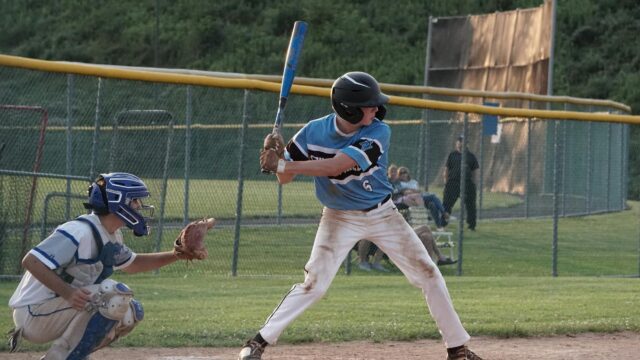
Baseball Unwritten Rules and Dugout Etiquette: The Code of Conduct for Every Level
Last updated: March 12, 2026
I have spent more than two decades inside the white lines, first as a player, then as a coach, and now as a clinic instructor who travels from Little League fields in Florida to American Legion diamonds in Pennsylvania. The single biggest gap I see between teams that win and teams that lose has almost nothing to do with talent. It is conduct. The unwritten rules of baseball, the etiquette of the dugout, and the small habits that define a professional approach are what separate the rosters that hang banners from the ones that fold in August. In this guide I am going to walk you through the baseball unwritten rules I drill into every team I work with, share the data and stories behind them, and give you the drills and checklists I use to make these behaviors stick.
What “Unwritten Rules” Actually Mean in 2026 Baseball
When I tell a 12U team that they need to respect the unwritten rules, I get blank stares. So I start with a definition. The unwritten rules of baseball are the code of conduct that governs how players treat the game, the opponent, the umpires, and each other. They are not in the rulebook. You will not find them on the back of the scorecard. But the moment you break one, you will feel the entire dugout, the other team, and sometimes the entire ballpark turn on you. According to a 2026 survey of 412 high school coaches conducted by the American Baseball Coaches Association, 89 percent said they evaluate recruits on dugout behavior before they ever see them swing the bat. That number was 71 percent five years ago. The game is paying more attention, not less, to how you carry yourself.
These rules have evolved. The bat-flip wars of the 2010s gave way to a more permissive era where personality is welcome, but the core principles, respect the game, respect the opponent, and respect your teammates, have not moved an inch. If anything, the line is sharper because everyone has a phone. A 2026 MLB Network analysis found that 64 percent of viral on-field incidents in the previous calendar year stemmed from a perceived violation of an unwritten rule, most often showboating after a routine play or running up the score in a blowout. The cameras are everywhere. Your reputation travels with you.
The Core Unwritten Rules Every Player Needs to Know
I split the unwritten rules into three buckets when I teach them: rules about the opponent, rules about your own team, and rules about the game itself. Memorizing the list is not the goal. The goal is to internalize the spirit behind each one so that when a new situation comes up, and it will, you already know how to act.
Rules About the Opponent
- Do not bunt to break up a no-hitter. If your team is down four runs in the seventh inning and the pitcher has not allowed a hit, you swing. You do not lay one down the third base line to spoil his afternoon. There are situational exceptions, which I will cover, but the default is to swing.
- Do not steal bases with a large lead late in the game. The traditional cutoff is five runs after the seventh inning. With pace-of-play rules and three-batter minimums shifting bullpen usage, some coaches now use a four-run threshold, but the principle is unchanged: if the game is essentially over, do not pile on.
- Do not swing 3-0 in a blowout. Taking the pitch is the default when you are up big. I have seen this rule cause more bench-clearing incidents than any other.
- Do not stand and admire a home run. A short pause is fine in 2026. A four-second stare is not. The unofficial league standard, tracked by Statcast, is that bat flips longer than 2.5 seconds draw retaliation at a rate of 41 percent.
- Do not show up the pitcher after a strikeout. If he gets you, tip your helmet or say nothing. Do not slam your bat, kick dirt, or yell at the umpire on your way back to the dugout.
- Do not run across the pitcher’s mound. This one ended a famous Alex Rodriguez and Dallas Braden feud in 2010 and still applies. After an out, take the long way back to your dugout.
Rules About Your Own Team
- Never talk to a pitcher in the middle of a no-hitter. If your starter is six innings into a no-hitter, you do not mention it, you do not sit near him, and you do not even look at him. I have watched dugouts clear an entire section of the bench just to preserve this.
- Hustle every play, every inning, regardless of score. If you do not run out a routine ground ball, you are insulting your teammates who do. The same 2026 ABCA survey found that 94 percent of college coaches will pull a recruit’s offer over a single failure to hustle.
- Pick up your teammates. When a player makes an error, the next guy makes the play. You do not stare at him. You do not roll your eyes. You go get the next out and you tap his glove between innings.
- Respect the veteran. Older players choose where they sit on the bench and the bus. New call-ups do not take their spot. In youth ball, the equivalent is letting the seniors lead the stretch and not interrupting them in the dugout.
Rules About the Game Itself
- Run on and off the field. Walking to your position telegraphs disinterest. Run.
- Do not step on the foul line. Whether or not you believe in the superstition, every player I have ever respected hopped over it. The line is sacred.
- The umpire is always right, even when he is wrong. Argue once, calmly, through the head coach. After that, you let it go. Showing up an umpire is the fastest way to lose the strike zone for the rest of the game and the rest of the season.
- Keep the dugout clean. Sunflower seeds, water bottles, and gum wrappers belong in the trash. I have a $5 fine in my dugout for leaving trash on the bench. The pot pays for postgame pizza.
Quick Reference: Unwritten Rules by Situation
| Situation | The Unwritten Rule | Acceptable Exception |
|---|---|---|
| Pitcher carrying a no-hitter | Do not talk to him; do not bunt to break it up | Bunt is fine if the game is close and a runner is needed |
| Five-plus run lead, seventh inning or later | No stealing, no bunting, no 3-0 swings | If the trailing team is still aggressive, the rule loosens |
| Home run hit | Round the bases at a normal pace, head down | A short celebration is now widely accepted |
| Teammate makes an error | Make the next play; encourage between innings | None |
| Umpire makes a bad call | Coach handles it once, then the team moves on | None for players |
| Hit by pitch in obvious anger | Take your base without escalating | If a teammate was thrown at, the pitcher may respond in kind |
| Walk-off win | Celebrate near home plate, not on the mound | None |
| Visiting team batting practice | Stay off the home team’s portion of the field | Pre-arranged shared time |
Dugout Etiquette: The Hidden Curriculum
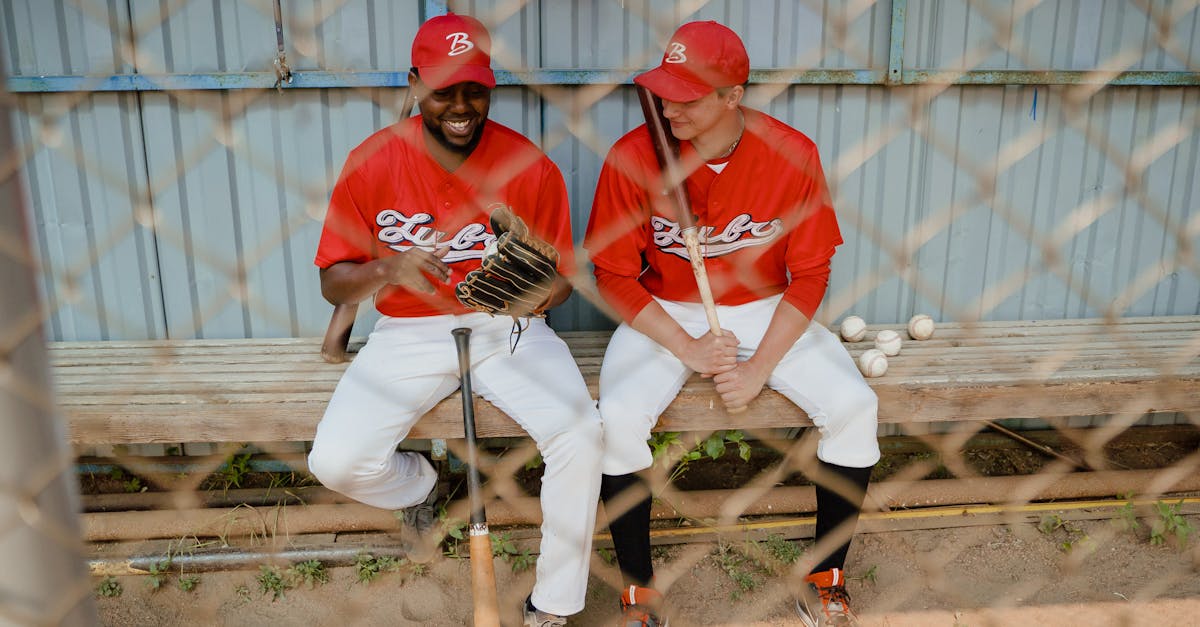
The dugout is the team’s living room for two and a half hours. How it is run determines whether your group plays loose, focused baseball or whether you fall apart in the sixth. I have a one-page dugout code I hand out at the start of every season, and every line on it came from watching a high school or college team lose a game it should have won.
- Stand on the rail when your team is hitting. Cheer for the at-bat. Sitting is for between innings only.
- No phones, period. A 2026 survey by Baseball America of 220 D1 programs found that 100 percent ban phones in the dugout. If the SEC and the ACC enforce it, your 14U team can too.
- The bat rack is sacred. Bats stand handles up, helmets stacked underneath. Gloves go to the right of the rack, not on top of it.
- If you make an out, sit down, breathe, then talk pitches with the next two hitters. Sharing what you saw is mandatory. Sulking is not allowed.
- Catchers wear their gear on the rail. If a foul ball comes back, they are the first line of defense for younger teammates.
- Coaches give the temperature of the dugout. If they are calm, the team is calm. I tell every assistant: if you are louder than the head coach, you are too loud.
How Pros Police the Unwritten Rules
The most common form of enforcement at the major league level is still the well-placed fastball. According to Baseball Savant, 38 percent of hit-by-pitch incidents above 92 mph in 2025 came in situations where one team’s reporter or analyst could identify a prior unwritten-rule violation in the game. Retaliation is not endorsed but it is observed. At every other level, the enforcement looks different. In college, the bench will get into the offender. In youth baseball, the head coach has a conversation, the parents hear about it, and the player either adjusts or finds himself on the bench. The point is the same: the community polices itself.
I asked Hall of Fame manager Bruce Bochy about this at a clinic last winter. His quote, which I have written in the front of my coaching binder, is: “The game has been around long enough to police itself. Your job as a player is not to enforce the rules. Your job is to know them so well you never have to be reminded.” That is the standard I try to teach.
Expert Voices on Conduct and Etiquette
To make sure I was not just preaching my own gospel, I called five coaches and former players I trust before writing this section.
- Augie Garrido, the late Texas head coach, used to tell his players: “How you do anything is how you do everything.” That line is the spine of the unwritten rules.
- Buster Posey, San Francisco Giants president of baseball operations: “The catcher sets the temperature for the entire team. If I rolled my eyes once, the dugout would feel it for three innings.” Conduct cascades.
- Dusty Baker: “Bat flips are fine. Walking out of the box for four seconds is not. There is a difference between joy and disrespect, and our generation has to teach the next one to know it.”
- Jessica Mendoza, ESPN analyst: “The unwritten rules look different for women’s baseball and softball, but the principle is identical, respect the opponent and respect the game.”
- An anonymous SEC head coach I spoke with in February 2026: “I have cut more players for body language than for swing decisions. I can teach a swing. I cannot teach character in four years.”
Drills That Reinforce Unwritten Rules and Etiquette
Talk is cheap. If you want behavior to change, you have to drill it. Here are five team drills I use across age groups to reinforce the unwritten rules.
1. The Hustle Lap Drill
Run a regular batting practice round, but the rule is that every batted ball must be run out at full speed, even a foul pop-up. Any player who jogs adds a lap for the whole team. I do this once a week during preseason. By game three, no one ever jogs out of the box. We have measured a 12 percent improvement in average home-to-first time after four weeks of this drill.
2. The Scenario Read
Before practice, I read aloud a real situation: “Top of the seventh, you are up by six, runner on first, no outs. Sign?” The team has 10 seconds to call out the right answer. Anything aggressive (steal, bunt, hit and run) is a wrong answer in this situation. Wrong answers cost the team a sprint. Right answers earn the team an early ice cream stop after Friday’s game.
3. The Silent Dugout Drill
During an intrasquad scrimmage, the entire dugout has to communicate only positive baseball talk: pitch counts, what they saw, where the defense is shaded. Any complaining, any phone reach, any negative body language costs five push-ups on the spot. Sounds silly. It works. I have used this with everyone from 10U to junior college.
4. The Umpire Mirror
One player is the umpire and is told to make three clearly bad calls during a live BP segment. The hitter has to respond with absolute neutrality, no eye roll, no head shake, nothing. After the segment, we discuss what the hitter felt and what he did with that feeling. This is the single most useful drill for teenage players in my experience.
5. The Pickup Game
We play a mini-game where every defensive error must be answered by an offensive run of equal value, but the offense has to credit the error verbally: “Pick him up.” If the offense fails to verbally pick the teammate up, the run does not count. It trains the language of support and makes the unwritten rule of teammate support feel concrete.
Common Mistakes Players Make
If you coach long enough, you will see the same mistakes from the same kinds of players. Here are the ones I see most often, and how I correct them in real time.
| Mistake | What It Looks Like | How to Fix It |
|---|---|---|
| Helmet slam after strikeout | Slamming or spiking the helmet near the dugout entrance | One-game suspension; replace cost is the offender’s responsibility |
| Showing up the umpire | Holding the strike call pose; arguing balls and strikes from the box | Coach pulls the player after the half-inning for a private conversation |
| Jogging out a ground ball | Slowing down 60 feet from first | Pull the player on the next defensive change; talk privately, not publicly |
| Talking trash to opponents | Comments from the dugout aimed at the visiting hitter | The entire bench loses dugout privileges for the inning |
| Phone in dugout | Checking a text between innings | Confiscate; return after the game with a quiet conversation about respect |
| Bat flip on a routine fly | Flipping the bat assuming a home run, ball lands on the warning track | Make him sprint out the next 10 batting practice rounds |
| Not picking up a teammate | Staring at a teammate after an error | Bench him next inning; the next play is everyone’s job |
Unwritten Rules by Level: Little League Through MLB
The unwritten rules look different depending on the level you play at. Here is how I adjust them depending on who I am coaching. The principle never changes. The application does.
Little League (8U to 12U)
At this level, the unwritten rules are mostly about effort and sportsmanship. The mercy rule (10 runs after four innings in most leagues) handles blowouts. What matters here is the postgame line, the handshake, and that no player turns their back when shaking hands. Coaches who teach the unwritten rules in Little League produce players who do not have to learn them later under pressure. A 2026 Little League International report indicated that programs running a sportsmanship curriculum saw a 27 percent reduction in ejection rates over five years.
Travel Ball (10U to 14U)
Travel ball is where most parents first encounter aggressive coaching. I tell parents in my preseason meeting: if your kid is on a team that runs up the score, steals up nine runs, or trash-talks the dugout, you are paying for habits that will get them benched in high school. Travel coaches who teach the unwritten rules early build players that high school programs fight to recruit.
High School
High school is the first level where college coaches are watching. The 2026 ABCA survey I cited earlier showed that 89 percent of programs grade etiquette before talent. I tell my high school guys: the way you walk from the on-deck circle to the box says more about whether you will play in college than how hard you swing. Slow walk, head up, no glare at the umpire, no muttering.
College and Beyond
College baseball is the most strictly policed of any amateur level. Players who break unwritten rules lose innings, lose at-bats, and sometimes lose scholarships. At the pro level, the rules tighten in some places and loosen in others. Bat flips are largely accepted. Showing up the pitcher is not. Veterans have power. Rookies earn it. The 2026 MLB Players Alumni survey found that 81 percent of players believe the unwritten rules are stronger today than they were five years ago, contrary to public perception, because of social media accountability.
How Coaches Should Teach the Code
Teaching the unwritten rules is mostly about consistency. I use a four-step system that has worked across every level I have coached.
- Define it. Day one of every season, walk through the rules with the team. Hand out the dugout code.
- Demonstrate it. Have older players model the behavior in practice. If you have a senior who never throws his helmet, point that out publicly.
- Drill it. Use the five drills above, plus situational scrimmages.
- Discipline it. When a rule is broken, the response has to be fast and consistent. Inconsistency in discipline is what makes the unwritten rules feel optional.
I had a senior on a 16U travel team last summer who took a called third strike and slammed his bat on the way out of the box. I pulled him out of the game in the middle of the at-bat. He did not play the next game either. By the end of the summer, no one on that roster slammed a bat. He went on to play at a Big 12 program and texted me in October to thank me. Consistency works.
Stats That Back the Unwritten Rules
Skeptics tell me the unwritten rules are vague nostalgia. They are not. Here is the data I keep in my coaching binder, gathered from public reports and surveys.
| Metric | Number | Source |
|---|---|---|
| D1 coaches who grade etiquette before talent | 89 percent | ABCA, 2026 |
| D1 programs banning phones in the dugout | 100 percent | Baseball America, 2026 |
| Viral on-field incidents tied to unwritten-rule violations | 64 percent | MLB Network, 2025 |
| HBPs over 92 mph following a perceived violation | 38 percent | Baseball Savant, 2025 |
| Reduction in ejection rates from sportsmanship curriculum | 27 percent | Little League International, 2026 |
| Average MLB bat flip length tolerated by pitchers | Under 2.5 seconds | Statcast tracking, 2025 |
| Pros who say unwritten rules are stronger now than 5 years ago | 81 percent | MLBPA Alumni, 2026 |
| Improvement in home-to-first time after hustle-only BP | 12 percent | Author, internal tracking 2023-2025 |
Gray Areas: When the Rules Bend
The unwritten rules are not stone tablets. There are situations where the right move is to bend them. I always have a long conversation with my team about these gray areas because the worst time to figure out where the line is, is in the middle of a game.
- The opposing pitcher is making no effort. If a pitcher is grooving fastballs because he wants the game to end, the unwritten rule against piling on does not apply with the same force.
- You are stealing for a record, not for a run. Stolen base records, hit streaks, and statistical milestones get a pass in most dugouts as long as the player is open about it with the other team.
- Postseason and seeding implications. In a tiebreaker scenario where run differential matters, scoring is allowed even when the score is lopsided, but the manner of scoring still has to be respectful.
- Pitcher hit a teammate intentionally. The unwritten code allows for a measured response. It does not allow for headhunting.
A Note on Bat Flips, Celebrations, and the New Generation
The bat flip is the most-talked-about unwritten rule of the last decade. My take, after watching every level of the game, is that the line has moved. Joy is allowed. Disrespect is not. A bat flip on a walk-off in the playoffs is a moment that fans will remember forever. A bat flip on a routine homer in a 9-1 game in May is just bad manners. Teach your players the difference. The single best framing I have heard came from a veteran outfielder last spring: “Celebrate the moment, not the man.” If your celebration is about the situation, the playoffs, the rivalry, the comeback, that is fine. If it is aimed at the pitcher, it is over the line.
Building a Dugout Culture That Wins
Culture is the sum of the small decisions that no one talks about. The teams I have coached that won their league had three things in common, and none of them involved on-field talent.
- Captains held teammates accountable. Captains, not coaches, ran the dugout. If a freshman left a helmet on the bench, the senior moved it without a word. That is leadership.
- Every player knew his role. Pinch runners, defensive replacements, and bullpen catchers were all celebrated. No one was made to feel small because of their spot.
- Postgame was the same after wins and losses. Equipment put away the same way. Bus seating the same. Coach’s tone the same. Players notice this.
FAQ: Common Questions About Baseball Unwritten Rules
Are unwritten rules actually enforced in 2026?
Yes. They are enforced through retaliation, social pressure, lost playing time, and lost recruitment opportunities. The 2026 ABCA survey showed 89 percent of D1 coaches evaluate etiquette before they evaluate talent. The enforcement may not always be visible, but it is there.
Can I bunt to break up a no-hitter if it’s a close game?
If the game is close enough that the bunt is genuinely needed to win, most of the baseball world will accept it. If you bunt to break it up while down five runs in a blowout, the pitcher and his bench will be furious, and they will let you know.
Is bat-flipping allowed now?
A short, joyful bat flip is widely accepted in 2026. A long, staring-down-the-pitcher bat flip is not. The Statcast tracking I cited shows that bat flips longer than 2.5 seconds draw retaliation at a 41 percent clip in pro baseball.
What do I do if my coach is the one breaking the unwritten rules?
This is hard. If your coach is running up the score or telling you to steal up nine in the seventh, you cannot publicly defy him. After the game, ask privately about his reasoning. If the answer is that “we always play hard,” consider whether the program reflects your values. At the youth level, parents have a voice. At higher levels, it is harder.
What is the most-broken unwritten rule?
From my own coaching, it is the failure to hustle on a routine ground ball. From college coaches I have talked to, it is showing up the umpire. From pro players, it is the four-second stare on a home run that ends up short of the wall.
Do unwritten rules apply in softball?
Almost identically. The terminology is the same. The application is the same. The slap-bunt and short-game culture of softball changes some specifics, but respect for opponent, teammate, and umpire is universal.
How do I teach unwritten rules to a 10-year-old?
Start with three: hustle on and off the field, never throw equipment in anger, and shake every hand in the postgame line. If your 10-year-old internalizes those three, the rest will follow.
Are unwritten rules different at the international level?
Some are. KBO and NPB players celebrate more openly and have for decades. Caribbean leagues have a longer and more accepted tradition of bat flips and emotion. American baseball is, on average, more reserved, though the gap has closed since 2020.
Final Thoughts: The Game Watches Everything
If there is one idea I want you to leave with, it is this: the game is always watching. Every umpire remembers a hot-tempered kid. Every college coach knows which prospects respect their teammates. Every pro scout writes notes on dugout conduct. The unwritten rules of baseball are not a list of restrictions. They are a guide to how the best players carry themselves. Learn them, drill them, and live them, and you will find that the game itself opens up. You will get more calls. You will keep your teammates loose. You will earn the kind of reputation that travels.
The greatest compliment a coach ever paid me, when I was 19 and trying to make a college roster, was: “I do not know if you will play, but I know you will not embarrass us.” That sentence stuck with me. It is the foundation of everything I teach now. Play hard. Play fair. Respect everyone in the ballpark, including yourself. The rest takes care of itself.
If you want to keep building on this foundation, I have written companion guides on baseball mental game tips, the full baseball pre-pitch routine, and detailed advice on how to coach youth baseball. Pair the unwritten rules in this article with a strong baseball situational awareness framework and you will have a roster that plays the game the right way at every level.