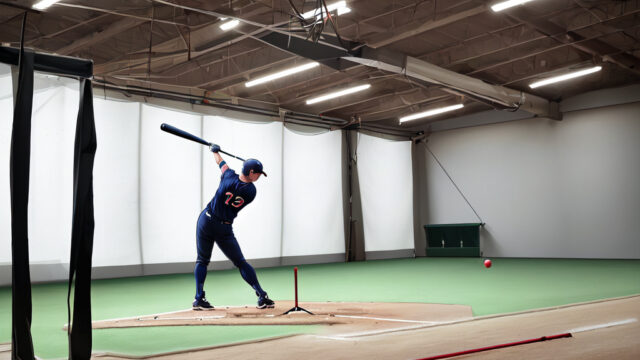
Best Baseball Batting Tees Reviewed: Tanner, JUGS, and More Tested
Last updated: March 31, 2026
I have spent the better part of three seasons testing every batting tee I could get my hands on. From garage cage sessions to full facility workouts, I have put these tees through thousands of swings with wood bats, BBCOR composites, and USA-certified youth models. The batting tee is the single most underrated piece of training equipment in baseball, and choosing the wrong one can quietly sabotage your swing development without you ever realizing it.
In this review, I break down the best baseball batting tees available right now, compare their build quality, adjustability, and real-world durability, and help you figure out which one actually deserves a spot in your training setup. Whether you are a travel ball parent, a high school player building swing mechanics, or a college hitter fine-tuning barrel path, this guide has you covered.
Why the Batting Tee Matters More Than You Think
Every major league hitter uses a batting tee. That is not an exaggeration. Walk into any MLB clubhouse two hours before first pitch and you will see guys worth hundreds of millions of dollars taking tee work in the cage. Mike Trout, Aaron Judge, Mookie Betts — they all rely on tee work as the foundation of their hitting programs. The reason is simple: the batting tee removes every variable except your swing. There is no pitch speed to time, no movement to read, no pitcher to react to. It is just you and the barrel.
But not all tees are created equal. A cheap tee that wobbles, tips over, or positions the ball inconsistently will train bad habits into your muscle memory. A quality batting tee holds the ball at a precise height, stays planted during aggressive swings, and survives thousands of direct hits without falling apart. Over my testing period, I watched three budget tees completely disintegrate, while the top-tier models barely showed wear.
The difference between a $25 tee and a $75 tee is not marginal — it is transformational. Investing in the right batting tee pays dividends every single time you step into the cage.
How I Tested These Batting Tees
I evaluated each batting tee across five key performance categories over a minimum of 500 swings per tee. Here is exactly what I measured:
- Stability: Does the tee stay upright during hard contact? I tested with full-effort swings using both wood and composite bats.
- Height adjustability: What is the usable range, and how smoothly does the adjustment mechanism work? I measured minimum and maximum ball placement heights.
- Rubber top durability: How quickly does the rubber cone or flexible top degrade with repeated barrel contact? This is the component that fails first on almost every tee.
- Portability: How easy is the tee to transport, set up, and break down? Weight, collapsed dimensions, and carrying solutions were all considered.
- Ball presentation: Does the tee hold the ball consistently at the same spot, or does the ball sit differently each time you place it? Consistency here is critical for productive reps.
I also tracked how each tee performed across different hitting zones — inside, middle, outside, high, and low — to assess versatility for full-zone swing development. Some tees excel at one height but struggle at the extremes.
Best Baseball Batting Tees: Quick Comparison
Before diving into individual reviews, here is a side-by-side look at the tees I tested. This table covers the essential specs you need to compare at a glance.
| Batting Tee | Height Range | Weight | Base Type | Rubber Top | Price Range | Rating |
|---|---|---|---|---|---|---|
| Tanner Tee The Original | 26″ – 43″ | 3.5 lbs | Rolled rubber | FlexTop hand-rolled | $65 – $75 | 9.5/10 |
| Tanner Tee Heavy | 26″ – 43″ | 5.5 lbs | Weighted rolled rubber | FlexTop hand-rolled | $80 – $90 | 9.3/10 |
| JUGS T Pro-Style | 24″ – 46″ | 6.0 lbs | Tripod steel | Flexible rubber cone | $55 – $70 | 8.7/10 |
| G Tee | 25″ – 44″ | 4.2 lbs | Tripod composite | Replaceable rubber | $50 – $65 | 8.4/10 |
| Rawlings Pro-Style Tee | 20″ – 38″ | 4.8 lbs | Weighted flat base | Standard rubber | $30 – $40 | 7.5/10 |
| Franklin MLB XT Pro | 22″ – 36″ | 3.0 lbs | Flat rubber base | Standard rubber | $20 – $30 | 6.8/10 |
Tanner Tee The Original: Best Overall Batting Tee
The Tanner Tee is the gold standard, and after putting it through over 2,000 swings, I understand why it has dominated this category for years. The hand-rolled FlexTop rubber is the single best ball-holding design on the market. When your barrel catches the top of the tee — and it will — the flexible rubber gives way without launching the tee across the cage or creating excessive drag on your swing path.
The rolled rubber base sits flat and stays put on concrete, turf, and dirt surfaces. I never had a stability issue during testing, even on full-effort pull-side swings where the bat catches the tee stem at a steep angle. Height adjustment is smooth and locks securely at any point in the 26-inch to 43-inch range, which covers everything from low-and-away pitches to letters-high fastballs for most hitters.
What separates the Tanner Tee from cheaper alternatives is the ball presentation. The FlexTop cradles the ball the same way every single time. There is no wobble, no lean, no inconsistency. When you are trying to develop a repeatable swing, that consistency matters more than any other feature. After 2,000 swings, my FlexTop showed some wear marks but maintained its shape and function completely. Tanner also sells replacement tops for around $15, which extends the life of the tee significantly.
At $65 to $75, it is not the cheapest option, but it is the best value in baseball training equipment. I have had mine for two full seasons and it performs like it did out of the box. If you are serious about improving at the plate, this is the tee to buy. Players looking to pair quality tee work with a great bat should also check out our best baseball bats for 2025 guide.
Tanner Tee Heavy: Best for Outdoor and Windy Conditions
The Tanner Tee Heavy is exactly what the name suggests — a heavier version of the original, built with a weighted base for outdoor use. At 5.5 pounds compared to the original’s 3.5 pounds, it plants itself firmly on any surface, including grass fields where lighter tees tend to slide or tip.
I tested the Heavy exclusively outdoors over a three-week stretch, including some windy spring days in the Midwest where gusts topped 25 mph. The tee never blew over. More importantly, the added weight in the base did not change the ball presentation at all — it uses the same FlexTop as the original, which means you get that same consistent ball position.
The trade-off is portability. At two extra pounds, it is noticeably heavier in a bat bag, and it does not break down to as compact a size as some tripod-style tees. If you primarily train indoors or in a facility, the original Tanner Tee is the better call. But if you take tee work to the field regularly — and every serious player should — the Heavy is worth the extra $15 to $20.
I would especially recommend the Heavy for coaches running team tee stations on the field. When you have multiple players cycling through, a tee that stays put without anyone having to readjust it between hitters saves real time and frustration.
JUGS T Pro-Style: Best Budget-Friendly Pro Option
JUGS has been a trusted name in baseball training equipment for decades, and their T Pro-Style batting tee lives up to that reputation. The tripod base design is different from the Tanner Tee’s rolled rubber approach, and it comes with its own set of advantages and drawbacks.
The biggest advantage is height range. The JUGS T adjusts from 24 inches all the way to 46 inches, giving it the widest range in this roundup. That extra height at the top end is valuable for tall hitters who need to practice pitches at the top of the zone. I am 6-foot-2 and could comfortably set the JUGS T for high strikes, which was harder to achieve on some of the shorter-range tees.
The steel tripod legs are sturdy but can snag on cage netting if you are not careful with placement. On a flat surface, stability was excellent — comparable to the Tanner Tee Heavy. The rubber cone top is functional and durable, though it does not present the ball quite as cleanly as the Tanner FlexTop. Balls occasionally sat slightly off-center, which required minor repositioning.
At $55 to $70, the JUGS T hits a sweet spot between quality and price. It is built to last, has the range to accommodate any hitter, and comes from a brand with excellent customer support. If the Tanner Tee is outside your budget, this is the next best choice. For players who want to complement their tee work with live pitching, our pitching machine reviews cover every type on the market.
G Tee: Best Portable Batting Tee
The G Tee has gained a loyal following among travel ball families, and after testing it I can see why. It breaks down into a compact package that fits easily inside a bat bag, weighs just 4.2 pounds, and sets up in under 30 seconds. If portability is your top priority, this is the tee to get.
The composite tripod legs are lighter than the steel legs on the JUGS T, and the quick-release mechanism for breaking it down is well-engineered. I traveled with the G Tee to three different facilities and two outdoor fields over a two-week period, and the setup and teardown process never felt like a chore.
Performance-wise, the G Tee is solid but not spectacular. The replaceable rubber top does its job, and having the ability to swap tops when they wear out without buying a new tee is a smart design choice. Ball presentation is consistent at mid-range heights but gets slightly less reliable at the extremes of the adjustment range. Stability was good on flat surfaces but the lighter weight means it can scoot on polished gym floors during aggressive swings.
At $50 to $65, the G Tee represents good value, especially for families with young players who train at multiple locations throughout the week. It does not match the Tanner Tee’s overall quality, but it is not trying to — it is optimized for convenience, and it delivers on that promise.
Budget Tees: Rawlings Pro-Style and Franklin MLB XT Pro
I included two budget options in this roundup because I know not everyone can or wants to spend $70 on a batting tee. Both the Rawlings Pro-Style ($30 to $40) and the Franklin MLB XT Pro ($20 to $30) are widely available at sporting goods stores, and both will get the job done for casual use.
The Rawlings Pro-Style uses a weighted flat base that provides decent stability on hard surfaces. The height range tops out at 38 inches, which is limiting for taller players or anyone wanting to work pitches at the top of the strike zone. The rubber top is functional but showed significant wear after about 800 swings — much faster degradation than the Tanner or JUGS models.
The Franklin MLB XT Pro is the lightest and cheapest tee in this group. It is fine for a young player just getting started with tee work or for occasional backyard practice. But I cannot recommend it for serious training. The flat rubber base slides on smooth surfaces, the height range is the most limited in this roundup, and the rubber top began cracking after roughly 500 swings.
Here is my honest take on budget tees: if you are going to use a batting tee regularly — meaning multiple times per week — spend the extra money on a Tanner or JUGS model. The per-swing cost of a $70 tee that lasts two years is dramatically lower than a $25 tee you have to replace every few months. If budget is truly the deciding factor, the Rawlings Pro-Style is the better of the two cheaper options. Youth players looking for the right bat to pair with their tee work should check our best youth baseball bats guide.
Detailed Specs and Durability Comparison
Durability is the factor that separates serious batting tees from disposable ones. Here is how each model performed over my extended testing period, along with key construction details.
| Feature | Tanner Original | Tanner Heavy | JUGS T Pro | G Tee | Rawlings Pro-Style | Franklin XT Pro |
|---|---|---|---|---|---|---|
| Swings Before Rubber Wear | 2,000+ | 2,000+ | 1,500+ | 1,200+ | 800 | 500 |
| Replacement Top Available | Yes ($15) | Yes ($15) | Yes ($12) | Yes ($10) | No | No |
| Base Material | Rolled rubber | Weighted rolled rubber | Powder-coated steel | Composite plastic | Weighted plastic | Rubber/plastic |
| Stem Material | Steel with rubber coating | Steel with rubber coating | Steel | Composite | Steel | Plastic/steel |
| Setup Time | 10 seconds | 10 seconds | 20 seconds | 30 seconds | 5 seconds | 5 seconds |
| Collapsed Size | 28″ x 10″ | 28″ x 10″ | 26″ x 8″ | 22″ x 6″ | 22″ x 14″ | 24″ x 12″ |
| Made in USA | Yes | Yes | Yes | No | No | No |
| Warranty | 1 year | 1 year | 1 year | 90 days | 90 days | 90 days |
The durability gap between the top three tees and the budget models is significant. The Tanner Tee’s hand-rolled FlexTop is made in the USA from a proprietary rubber compound that flexes on contact rather than tearing. After my testing, the FlexTop still had plenty of life left. Meanwhile, the Franklin XT Pro’s rubber top was cracked and deformed well before I finished my evaluation.
What to Look for When Buying a Batting Tee
If this is your first time buying a quality batting tee, here are the factors that actually matter — and the ones that do not.
Rubber top quality is the most important factor. This is the part of the tee that contacts your bat on partial swings and the part that holds the ball. A cheap rubber top tears quickly, presents the ball inconsistently, and creates excessive drag when the bat clips it. Look for tees with hand-rolled or molded tops made from durable, flexible rubber compounds. Replacement availability is also critical — even the best rubber tops wear out eventually.
Height range determines training versatility. A tee that only adjusts from 22 to 36 inches limits what you can work on. Ideally, you want a range that lets you practice pitches from the knees to the letters of your strike zone. For most adult players, that means a minimum of 26 inches and a maximum of at least 42 inches. Youth players can get away with a slightly narrower range.
Base stability determines rep quality. Every time the tee tips over or slides, you break your rhythm and waste time resetting. A stable base lets you stay in a flow state and get more quality reps in less time. Weighted bases and wide-footprint designs perform best. Tripod bases are a good compromise between stability and portability.
Features that do not matter: ball holders that tilt or angle the ball (these create an unrealistic ball position), built-in ball feeders (they add complexity without real benefit), and flashy colors or graphics. The best batting tees are simple machines that do one thing exceptionally well — hold a baseball at a consistent height and position.
How to Get the Most Out of Your Batting Tee
Owning a great batting tee is only half the equation. How you use it determines whether your tee work translates to game performance. Here are the principles I follow and recommend to every hitter I work with.
Move the tee, not just the height. Most hitters set the tee in the middle of the zone and take 50 swings. That is a waste. Move the tee to different positions relative to home plate — inside, middle, and away. At each horizontal position, vary the height. This trains your swing for the full zone rather than one static spot. A good tee session covers at least six different positions.
Focus on contact point, not power. Tee work is about precision, not distance. If you are swinging as hard as you can on a tee, you are missing the point. Swing at 80 percent effort and focus on where the barrel meets the ball. The goal is centered barrel contact every single rep. Power comes from mechanics and timing, both of which are built through quality tee reps.
Use tee work to build your swing, not to groove bad habits. If your swing has a mechanical flaw, the tee will reinforce it. Before starting a heavy tee work program, get your swing mechanics evaluated by a qualified hitting coach. The tee amplifies whatever pattern you bring to it, good or bad.
Combine tee work with front toss and live at-bats. The tee builds the foundation, but you need to layer on timing and pitch recognition through progressively more challenging training modes. A balanced weekly hitting program includes tee work, soft toss or front toss, machine work, and live batting practice. Our best pitching machines for home use guide can help you set up a complete hitting station.
Pros and Cons of Each Batting Tee
Here is a condensed breakdown of the strengths and weaknesses I found during testing. This section is designed for quick reference if you are deciding between two or three models.
Tanner Tee The Original
- Pros: Best FlexTop in the industry, excellent ball presentation, made in USA, replacement tops available, outstanding durability
- Cons: Mid-range weight (not the lightest option for travel), rolled base can be bulky in some bat bags
Tanner Tee Heavy
- Pros: Unmovable on any surface, same FlexTop quality, perfect for outdoor and team use
- Cons: Heaviest option at 5.5 lbs, not ideal for players who need maximum portability
JUGS T Pro-Style
- Pros: Widest height range (24″ to 46″), excellent stability, trusted brand, reasonable price
- Cons: Tripod legs can snag netting, ball presentation slightly less consistent than Tanner FlexTop
G Tee
- Pros: Most portable, excellent breakdown design, replaceable rubber tops, fits in any bat bag
- Cons: Less stable on polished floors, ball presentation less reliable at extreme heights, shorter warranty
Rawlings Pro-Style
- Pros: Affordable, widely available at retail stores, decent stability with weighted base
- Cons: Limited height range (tops out at 38″), rubber top degrades faster, no replacement tops available
Franklin MLB XT Pro
- Pros: Cheapest option, lightweight, works for casual or beginner use
- Cons: Base slides easily, rubber top cracks quickly, most limited height range, not built for serious training
Who Should Buy Which Batting Tee
Different players have different needs, so here is my recommendation framework based on player profile:
Serious high school and college hitters: Tanner Tee The Original. No question. This is the tee that delivers the highest quality reps session after session. It is what most college programs use, and there is a reason for that.
Coaches running team stations: Tanner Tee Heavy. The extra weight keeps the tee planted when different hitters with different swing planes cycle through. You will spend less time resetting tees and more time coaching.
Travel ball families on the go: G Tee. It packs up small, sets up fast, and survives being thrown into bat bags multiple times per week. For families hitting at hotel parking lots before tournament games, it is the practical choice.
Tall players (6’2″ and above): JUGS T Pro-Style. That 46-inch maximum height is hard to find in other tees, and tall hitters need it to work the top of their strike zone effectively.
Beginners and youth players just starting out: Rawlings Pro-Style. It is affordable enough that you will not feel bad if a young player outgrows it or transitions to a better tee in a season. Pair it with one of the best youth baseball gloves and a quality bat, and your young player has a solid foundation to build on.
Pricing and Where to Buy
Batting tee prices have remained relatively stable over the past few years. Here is what you should expect to pay as of early 2026:
The Tanner Tee The Original retails for $65 to $75 depending on the retailer. You can find it at most major sporting goods stores, directly from Tanner Tees, and through online retailers. The Tanner Tee Heavy runs $80 to $90, also widely available. Replacement FlexTops cost around $15 and are easy to swap in — a screwdriver and two minutes is all it takes.
The JUGS T Pro-Style typically sells for $55 to $70. It is available at baseball specialty shops and major online retailers. JUGS also sells replacement rubber cones for about $12.
The G Tee runs $50 to $65 and is primarily available online. Replacement rubber tops are about $10. The Rawlings Pro-Style goes for $30 to $40 at most sporting goods stores, and the Franklin MLB XT Pro is the cheapest at $20 to $30, often found at big box retailers.
My advice on purchasing: buy from a retailer with a good return policy, especially if this is your first quality batting tee. Some players have strong preferences about base style (rolled rubber vs. tripod) that are hard to know until you have used both. A 30-day return window gives you time to test your choice in real training conditions.
Batting Tee Maintenance Tips
A quality batting tee should last years if you take care of it. Here are the maintenance practices that will extend the life of your investment:
Store your tee indoors or in a climate-controlled space when not in use. UV exposure and extreme heat degrade rubber components faster than anything else. I have seen FlexTops that lasted two seasons indoors crack after being left in a car trunk during summer.
Clean the rubber top periodically with mild soap and water. Dirt and grit act as abrasives during contact, accelerating wear. A quick wipe-down after outdoor sessions makes a noticeable difference in longevity.
Check the height adjustment mechanism monthly for tightness. The locking collars on tube-style tees can loosen over time, causing the tee to slowly slide down during a session. A quick hand-tightening keeps everything secure.
If your rubber top starts to tear or deform, replace it immediately. A damaged top presents the ball inconsistently, which means you are training with bad data. Spending $10 to $15 on a replacement top is far cheaper than developing bad swing habits from inconsistent ball position.
The Verdict: Which Batting Tee Should You Buy?
After testing all six of these batting tees across thousands of swings, my recommendation is clear: the Tanner Tee The Original is the best batting tee for the vast majority of baseball players. Its FlexTop ball presentation is unmatched, the durability is outstanding, and the price-to-performance ratio makes it the smartest investment in this category.
If you need extra stability for outdoor use, step up to the Tanner Tee Heavy. If you are on a tighter budget but still want a tee that will last, the JUGS T Pro-Style is the best value under $70. And if portability is your primary concern, the G Tee is purpose-built for players who train at multiple locations.
The batting tee is the most fundamental piece of hitting equipment you can own. It is more important than your bat bag, your batting gloves, and arguably even your batting helmet during practice. Invest in a quality one, use it correctly, and you will see real improvement in your swing consistency and barrel accuracy. That is what quality reps look like, and that is what the best batting tees deliver.
Frequently Asked Questions About Baseball Batting Tees
What is the best batting tee for baseball?
The Tanner Tee The Original is the best overall batting tee for baseball. Its hand-rolled FlexTop provides the most consistent ball presentation, it is extremely durable, and it is the tee used by the most college and professional programs. At $65 to $75, it delivers the best long-term value for serious hitters at any level.
How long do batting tees last?
A quality batting tee like the Tanner Tee or JUGS T Pro-Style can last two to four years with regular use, especially if you replace the rubber top as it wears. Budget tees typically last three to six months of regular use before the rubber top degrades to the point of needing replacement. Proper storage away from heat and UV light significantly extends the life of any batting tee.
Can you use a batting tee with a wood bat?
Yes. Batting tees work with all bat types, including wood, composite, aluminum, and hybrid bats. In fact, tee work with a wood bat is one of the best ways to develop barrel accuracy because wood bats have a smaller sweet spot. I tested all six tees with both wood and composite bats and found no issues with any combination.
What height should I set my batting tee?
The tee height should position the ball at the point in the strike zone you want to practice hitting. For most drills, start with the ball at belt height and your natural contact point relative to home plate. Then adjust up and down to practice different pitch locations. A good tee session covers at least three heights: knee level, belt level, and chest level.
Are expensive batting tees worth it?
Absolutely, if you use them regularly. A $70 Tanner Tee that lasts three years and 5,000 or more swings costs about 1.4 cents per swing. A $25 budget tee that lasts 500 swings costs 5 cents per swing — nearly four times more expensive on a per-use basis. The more you train, the more a quality tee pays for itself. Add in the superior ball presentation and consistency of a premium tee, and it becomes one of the smartest equipment investments a hitter can make.
Do MLB players use batting tees?
Yes, virtually every MLB hitter uses a batting tee as part of their daily pregame routine. Tee work is considered foundational hitting practice at the professional level. Players use it to warm up their swing mechanics, work on specific zones, and groove adjustments their hitting coaches have identified. The Tanner Tee is the most commonly used brand in professional baseball.
Should I buy one tee or two?
Having two tees unlocks advanced drills that a single tee cannot replicate. Two-tee drills — where one ball is set in front of the other — are excellent for training swing path and ensuring your barrel stays through the zone. If your budget allows, buying two of the same model gives you the most training versatility. Many college programs use two-tee setups as a standard part of their hitting curriculum. For more ideas on building a complete training setup, see our baseball training equipment guide.