Best Baseball Cleats for Infielders: Low-Cut Metal and Molded Picks
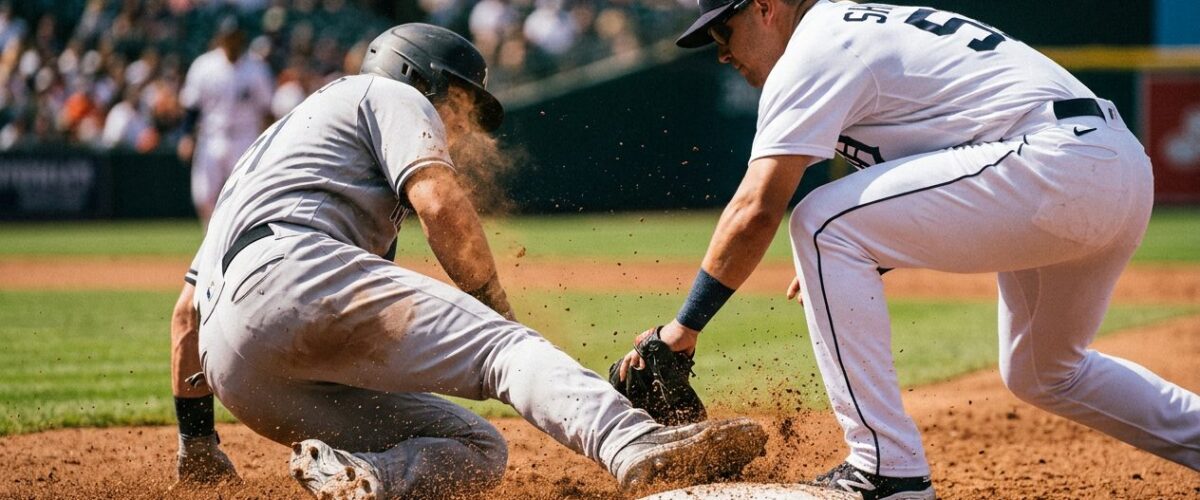
Choosing the best baseball cleats for infielders is one of those decisions that looks simple on the surface but has real consequences for lateral movement, first-step quickness, and long-term comfort through a 60-plus game season. We have tested cleats across every position over 12-plus years, and infield footwear has specific requirements that outfield or pitching recommendations simply do not cover adequately.
- Low-cut cleats are the standard for infielders because they allow maximum lateral ankle mobility
- Metal cleats are prohibited in most youth leagues (Little League Majors and below) and are generally approved starting at the intermediate/high school level
- Molded cleats are the safest all-purpose choice for youth players and hard infield surfaces
- Turf shoes work well for practice but do not provide enough traction for game situations on natural grass
- Nike, New Balance, and Under Armour dominate the high-performance cleat market in 2025
What Infielders Actually Need from a Cleat
Infielders are the most laterally active players on the field. Shortstops and second basemen make explosive lateral movements on nearly every play — diving, shuffling, planting and throwing — all on a surface that varies from soft spring dirt to rock-hard midsummer infield. The cleat needs to grip for lateral cuts without digging in so deep that it catches and causes ankle rolls on explosive plant movements.
Low-Cut vs. Mid-Cut vs. High-Cut for Infielders
The overwhelming consensus among infielders at every level is low-cut cleats. A low cut allows full ankle dorsiflexion (the forward-bending motion) and inversion/eversion (side-to-side ankle motion) that lateral movement requires. Mid-cut cleats provide more ankle support but restrict the same lateral motion that infielders rely on. High-cut cleats are almost exclusively for catchers and are impractical for any fielding position. If you are choosing between low and mid-cut, go low for infield play.
Metal vs. Molded Cleats: The Traction Tradeoff
Metal cleats dig deeper into the dirt and provide significantly better traction on grass and dirt infields. The tradeoff is that metal cleats are not permitted in youth leagues (Little League Majors and below, typically ages 12 and under), and they can create aggressive traction that catches on hard surfaces. Molded plastic cleats are the appropriate choice for youth players and for older players competing on turf or artificial surfaces. For high school varsity and above on natural grass, metal cleats are the performance standard.
Cleat Plate Stiffness and Forefoot Feel
Infielders spend a significant amount of time on the balls of their feet in the ready position. A cleat with a flexible forefoot plate allows the foot to flex naturally during quick directional changes. Overly stiff cleat plates reduce proprioception — the foot’s ability to feel the ground — which slows reaction time on ground balls. When testing cleats, flex the forefoot manually. If it bends easily under moderate finger pressure, the plate flexibility is appropriate for infield use.
Top Baseball Cleats for Infielders in 2025
Nike Force Zoom Trout 8 Metal Cleats
Nike’s Force Zoom Trout line has become one of the most widely worn metal cleats in high school and college ball. The Zoom Air cushioning in the forefoot provides genuine responsive cushioning that improves comfort through double-headers and long practices. The low-cut design and Flywire cables lock the midfoot without restricting ankle mobility. The metal cleats are strategically positioned for lateral cut traction rather than straight-line speed. Price: $110-$130. Available in standard and wide widths.
New Balance 4040v7 Metal Baseball Cleat
New Balance’s 4040v7 is consistently rated among the most comfortable metal cleats available, and comfort over a full season matters as much as any performance spec. The REVlite midsole is notably lighter than competing platforms at the same price point, and the low-cut profile fits true to size across most foot shapes. The metal plate has 8 strategically angled spikes optimized for lateral traction and push-off. Price: $100-$125.
Under Armour Harper 8 Pro Metal Cleat
Bryce Harper’s signature cleat from Under Armour is built for explosiveness off the infield dirt. The UA HOVR cushioning platform absorbs ground impact and returns energy for the next step. The low-cut construction and flexible TPU plate work well for infielders, and the cleat spike configuration provides good lateral grip without catching on transitions from grass to dirt. Price: $105-$125.
Mizuno 9-Spike Advanced Franchise Metal Cleat
The Mizuno Franchise is the value play in the metal cleat category. At $60-$80, it offers genuine metal cleat performance without the premium price tag of the Nike or New Balance flagship models. The 9-spike plate provides solid traction on natural grass infields. The upper is less breathable than the top-tier options, but for players who want metal cleat performance without spending $100+, the Franchise is a legitimate option.
Adidas Icon 8 Molded Baseball Cleat
For youth infielders or players on artificial surfaces where metal cleats are not permitted, Adidas’s Icon 8 molded cleat is the top molded recommendation. The TPU cleat plate has strategically positioned studs for lateral traction, and the upper features Adidas’s Bounce midsole for day-long comfort. The low-cut design is appropriate for all infield positions. Price: $60-$80.
Nike Alpha Huarache Varsity 4 Molded Youth Cleat
For youth infielders (ages 8-14), Nike’s Alpha Huarache Varsity 4 in molded configuration is one of the best combinations of performance and price. The forefoot flexibility is excellent for young players still developing their footwork, and the molded cleat configuration is appropriate for all youth leagues. Price: $40-$60.
Baseball Cleat Comparison Table for Infielders
| Cleat | Type | Cut | Best For | Price | Our Rating |
|---|---|---|---|---|---|
| Nike Force Zoom Trout 8 | Metal | Low | HS/College infielders | $110-$130 | 9.5/10 |
| New Balance 4040v7 | Metal | Low | Comfort-focused infielders | $100-$125 | 9.3/10 |
| Under Armour Harper 8 Pro | Metal | Low | Explosive, lateral quickness | $105-$125 | 9.1/10 |
| Mizuno Franchise | Metal | Low | Budget metal cleat | $60-$80 | 8.5/10 |
| Adidas Icon 8 | Molded | Low | Artificial turf/youth | $60-$80 | 8.8/10 |
| Nike Alpha Huarache Varsity 4 | Molded | Low | Youth infielders | $40-$60 | 8.7/10 |
Cleat Care and Longevity for Infielders
Infield dirt is abrasive and accumulates in cleat plates, metal spikes, and shoe uppers quickly. A few maintenance habits will extend the life of your cleats significantly.
Cleaning Metal Cleats After Every Use
Dirt packed around metal spikes accelerates corrosion. Use a stiff brush to clean between spikes after every use, particularly when playing on clay-heavy infields. Dry cleats thoroughly before storing — moisture trapped in the shoe upper degrades adhesives and encourages mold growth inside the shoe. A quick wipe-down with a damp cloth followed by air drying covers most maintenance needs.
Checking Metal Spike Tightness
Metal spikes loosen during heavy use. Before each game, check each spike by hand — a slightly loose spike can cause uneven traction that affects plant mechanics and risks ankle rolls. Most metal cleats use a star wrench or hex key to tighten spikes. Keep one in your equipment bag and spend 60 seconds checking before games.
Rotating Cleats During the Season
If your budget allows, owning two pairs of cleats and rotating them gives each pair time to fully dry between uses. This dramatically extends the life of both the midsole (foam compresses and needs recovery time) and the upper leather or synthetic materials. For players in hot summer leagues playing 4-5 days per week, rotation is worth the investment.
Position-Specific Cleat Notes for Infielders
Shortstop Cleat Needs
Shortstops make the widest variety of movements of any infield position — backhand dives to their right, cross-body throws to first, charging soft ground balls, turning double plays. The cleat needs to support all of these without being overly aggressive in any single direction. A balanced low-cut metal cleat like the New Balance 4040v7 suits shortstops well. For more on equipment choices at this position, see our overview of baseball protective gear.
Second Baseman Cleat Needs
Second basemen turn double plays at the bag, which involves specific footwork around the bag itself. Some second basemen prefer a slightly lighter cleat because quick pivoting on the bag requires fast foot replacement. The Nike Force Zoom Trout 8’s Zoom Air cushioning and lighter weight make it a popular choice at second base.
Third Baseman Cleat Needs
Third base is the “hot corner” — hard-hit balls arrive faster than at any other position. Third basemen prioritize quick first-step reactions over pure lateral mobility. A metal cleat with good front-of-foot grip helps generate the explosive first step needed on diving plays. The UA Harper 8 Pro is a strong choice for third basemen who prioritize explosion. For more on maximizing your defensive performance, check our guide on the best baseball equipment for 2025.
Frequently Asked Questions: Best Baseball Cleats for Infielders
Are metal cleats better for infielders than molded?
On natural grass and dirt infields at the high school level and above, yes. Metal cleats provide superior traction for lateral movements and explosive first steps. However, metal cleats are prohibited in most youth leagues (Little League Majors and below) and on artificial surfaces. For those situations, molded cleats are the required and appropriate choice.
Should infielders wear low-cut or mid-cut cleats?
Low-cut is the strong preference for infielders. The lateral ankle mobility required for diving plays, lateral shuffles, and quick directional changes is restricted by mid-cut ankle collars. Most infielders at the high school level and above wear low-cut cleats exclusively. Mid-cut and high-cut options are more appropriate for catchers and corner outfielders who need ankle support for different movement patterns.
What is the best budget metal cleat for high school infielders?
The Mizuno Franchise Metal Cleat at $60-$80 is our top budget recommendation. It provides genuine metal cleat traction at less than half the price of premium options. The upper is less breathable and less cushioned than Nike or New Balance flagship models, but the core performance — traction and durability — is solid for its price point.
How often should baseball cleats be replaced?
Metal spikes can be replaced individually as they wear down or loosen, which significantly extends overall cleat lifespan. The shoe upper and midsole typically last 1-2 full seasons with daily use. Signs that replacement is needed: visible compression of the midsole foam (no rebound when pressed), worn through upper materials, or persistent discomfort after the break-in period.
Can youth infielders wear the same cleats as outfielders?
Yes — for youth players, the same molded cleat works for all field positions. Position-specific cleat considerations become more relevant at the high school level and above when metal cleat configurations and upper designs are optimized for position-specific movement patterns.
Expert Buying Tips and Common Mistakes to Avoid
After years of testing and recommending equipment, we have identified patterns in the mistakes players and parents make when purchasing this category of gear. Here are the most important things to get right.
Buy for Your Current Skill Level, Not Your Future Goal Level
It is tempting to buy the most advanced equipment available with the expectation of “growing into it.” In most cases, this strategy backfires. Equipment designed for advanced players is optimized for mechanics and physical attributes that developing players do not yet have. A youth player in entry-level recreational gear will develop faster than the same player struggling with professional-grade equipment that does not match their current mechanics. Invest appropriately for your current level and upgrade as your game grows.
Try Before You Buy When Possible
Fit and feel are impossible to fully evaluate from online photos and spec sheets. For any equipment purchase above $75, we recommend visiting a specialty baseball retailer or large sporting goods store to test the product in person. This is particularly important for gloves, cleats, and batting helmets where fit directly affects performance and safety. Most major retailers have return policies that accommodate online purchases, but in-person sizing saves significant time and shipping hassle.
Factor In Total Cost of Ownership
The sticker price is only part of the cost equation. Consider accessories, replacement parts, and maintenance costs. A $250 composite bat that requires $45 bat tape and a $25 grip wrap is $320 effective cost. A $300 glove that needs $15 in conditioner per season is $315 per year. Understanding these secondary costs helps you budget accurately and compare options with different maintenance profiles.
Where to Buy Baseball Equipment: Retailer Recommendations
Where you buy matters as much as what you buy — for warranty service, return policies, and expert advice.
Specialty Baseball Retailers
Specialty online retailers like JustBats.com maintain larger inventories of specialized baseball equipment than most physical stores, with detailed product specs and customer reviews that help narrow selection. Many offer bat guarantee programs (exchange policies for bats that do not perform as expected) that are worth the slight price premium over generalist marketplaces. Their customer service staff typically has actual baseball knowledge, making phone and chat support more useful for equipment questions.
Manufacturer Direct Purchases
Buying directly from manufacturers (Rawlings, Marucci, Wilson, etc.) ensures product authenticity and usually provides direct warranty service. Most major baseball equipment manufacturers now operate direct-to-consumer web stores with pricing comparable to authorized retailers. The advantage: direct warranty service without an intermediate retailer. The disadvantage: no consolidation of multiple brands in a single order. For products with known counterfeit risk — particularly premium leather gloves — direct manufacturer purchase eliminates authenticity uncertainty.
Big Box Sporting Goods Stores
Dick’s Sporting Goods, Bass Pro, and similar chains carry a broad selection at accessible price points. Their baseball equipment selection tends to be heavier on mid-range consumer products and lighter on professional-grade options. For entry-level and mid-range purchases where in-person fit testing is the priority, big box retailers are appropriate. For premium gear, a specialty retailer or direct manufacturer purchase usually provides better selection and service.
The Case for Buying Multi-Season Equipment
For serious players competing year-round, the economics of baseball equipment favor investing in fewer, higher-quality pieces that last multiple seasons over buying cheap gear that needs annual replacement. A $300 BBCOR bat that lasts 3 seasons has a lower annual cost than two $149 bats over the same period. A $200 leather glove maintained properly can last 5+ seasons, while two $90 entry-level gloves over the same period cost more and perform worse throughout. Calculate cost-per-season when comparing equipment at different price tiers — the premium option often wins on economics as well as performance over a multi-year ownership horizon.
Seasonal Equipment Care and Storage
Proper off-season storage and pre-season care routines keep your baseball equipment performing through multiple years of use. For gear stored during the winter months, a few simple steps preserve condition and save money on replacements.
End-of-Season Equipment Audit
Before putting equipment away for the off-season, inspect every piece systematically. Check all leather surfaces for cracking, dryness, or deep scuffs. Apply conditioner to all leather surfaces before storage — leather that sits dry for 4-6 months will crack at the grain. Inspect all plastic protective gear for cracks or deformation. Check all laces, straps, and buckles for fraying or cracking. Replace any component that shows significant wear before the next season begins — catching problems in the off-season is always easier and cheaper than dealing with failures mid-game.
Climate-Controlled Storage Benefits
Storing baseball equipment in a climate-controlled space rather than a garage or outdoor shed makes a measurable difference in equipment longevity. Extreme cold makes plastic brittle and leather stiff; extreme heat accelerates leather drying and adhesive failure. A basement or closet with stable temperature and moderate humidity is ideal. For leather gloves specifically, storing in a breathable bag (not airtight) with a ball in the pocket maintains the pocket shape through the off-season without moisture buildup. Check out our overview of baseball protective gear maintenance for position-specific care details that apply across your full equipment set.
