How to Hit a Home Run: Launch Angle, Exit Velocity, and Swing Mechanics
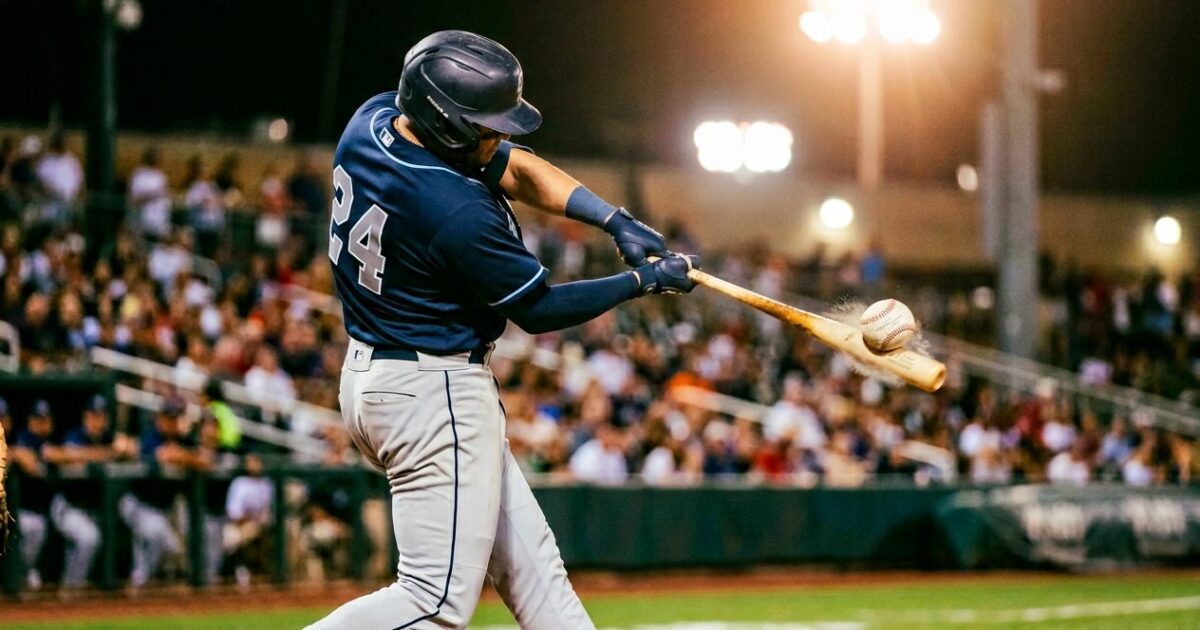
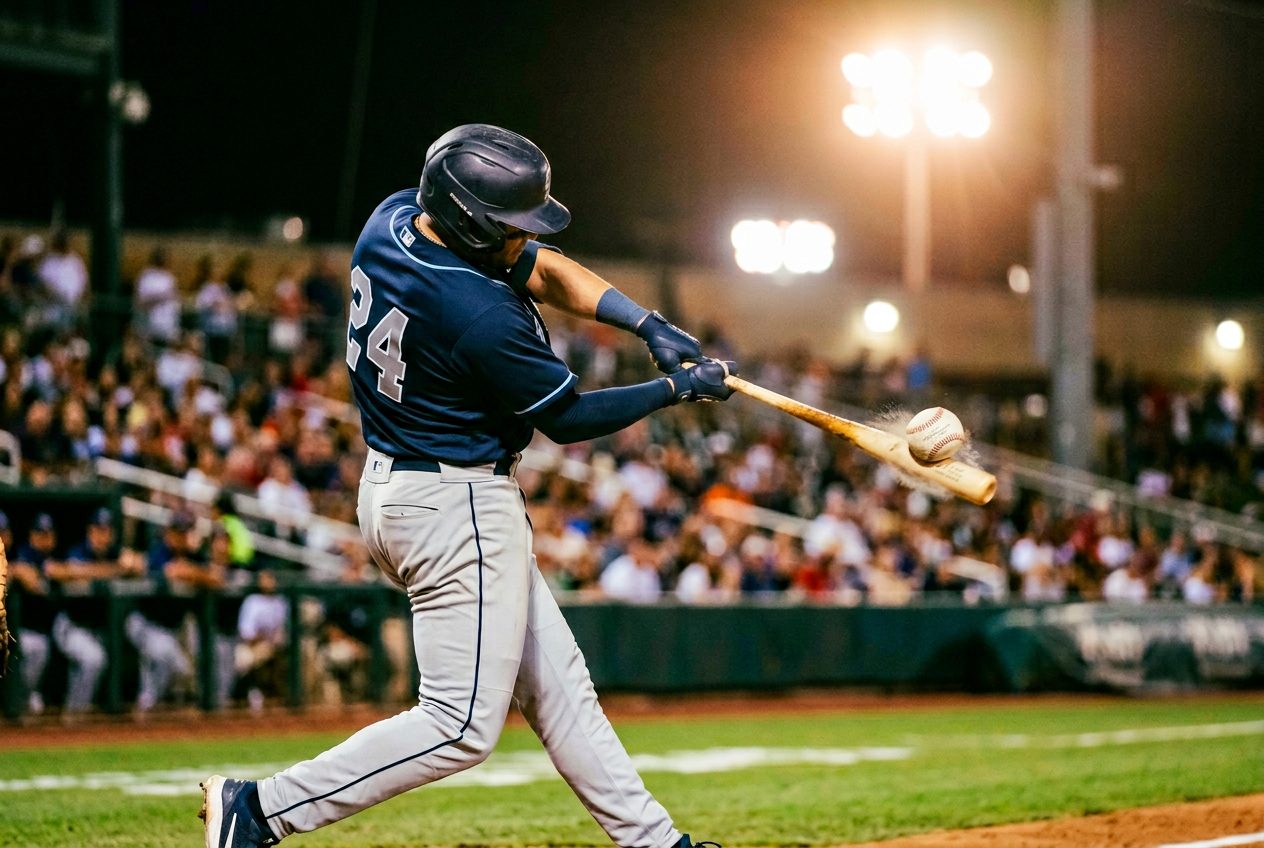
Understanding how to hit a home run has changed dramatically in the last decade. Modern Statcast data has rewritten what we thought we knew about power hitting — and for coaches and players willing to learn the science, the results have been remarkable. We have used these principles with hitters at multiple levels, and the improvements in hard-contact rate and distance are real.
This guide covers everything from launch angle and exit velocity to swing mechanics, pitch selection, strength training, and the mental approach that makes power hitters consistent.
- The optimal launch angle for home runs is 25–35 degrees. 94% of MLB home runs land in the 20–40 degree range.
- The average exit velocity for MLB home runs is approximately 101 mph — a ball needs to be barreled above 98 mph to have consistent home run potential at major league distances.
- An upward attack angle (slight uppercut) produces more home runs than a truly level swing — the slight upward path keeps the bat in the hitting zone longer and matches the downward plane of the pitch.
- Power comes from hip rotation, not just arm strength — the kinetic chain from ground to hands drives exit velocity.
- Pitch selection is the most underrated home run factor: hitting the right pitch matters as much as mechanics.
- At amateur levels, exit velocity above 80–85 mph with the right launch angle is sufficient for home run production depending on park dimensions.
The Science of Hitting a Home Run
Launch Angle: The Most Important Number
Launch angle is the vertical angle at which the ball leaves the bat. A ball hit at 0 degrees is a grounder; at 45 degrees it is a high fly ball. The sweet spot for home runs, supported by Statcast data, is 25–35 degrees. At this angle, the ball has enough vertical trajectory to clear fences while maintaining enough horizontal distance to travel 350+ feet.
A ball hit at 10 degrees is a line drive — powerful, but it needs elite exit velocity to carry over a fence. A ball at 45 degrees is a towering fly ball that hangs in the air long enough for outfielders to track down. The 25–35 degree window balances height and distance optimally.
Exit Velocity: How Hard Does It Need to Leave the Bat?
Exit velocity measures how fast the ball comes off the bat. At the major league level, the average exit velocity for home runs is approximately 101 mph, and a ball needs to reach “barrel” status (98+ mph at the right launch angle) to have consistent homer potential against standard MLB fence distances.
At amateur levels, the numbers are different:
| Level | Approximate Exit Velocity for HR Potential | Notes |
|---|---|---|
| MLB | 98+ mph | Average HR exit velocity ~101 mph |
| College / MiLB | 88–95 mph | Dependent on field dimensions |
| High School | 80–88 mph | Shorter fences allow lower exit velo HRs |
| Youth (BBCOR/Wood) | 70–80 mph | Shorter distances, aluminum bat effect |
The Attack Angle Debate
For decades, coaches taught a “level swing” or even a downward chop as the path to hard contact. Modern Statcast data overturned this. An upward attack angle of 8–15 degrees keeps the barrel in the hitting zone longer (increasing the odds of square contact) and matches the natural downward plane of a pitched ball. True level swings produce more grounders and line drives; the slight uppercut produces more home runs and fewer weak ground balls. This does not mean exaggerating the uppercut — a hitter swinging 25–30 degrees upward loses both contact rate and exit velocity.
Swing Mechanics for Power
The Kinetic Chain: Where Power Really Comes From
Home run power does not come primarily from the arms. It comes from the ground up — a linked chain of forces from foot drive through hip rotation through torso rotation through shoulder turn through arm extension. Each link must fire in sequence for maximum power transfer.
- Foot drive and weight shift: As you stride (or trigger your load), your back foot drives into the ground. The push off the back foot initiates hip rotation.
- Hip rotation: Your hips fire first, before your shoulders. The separation between hip turn and shoulder turn creates torque — the greater the separation, the more stored rotational energy you have to release.
- Torso and shoulder rotation: Following the hips, your torso and shoulders rotate toward the pitcher. At this point, the bat is still trailing — the hands and barrel lag behind, building more torque.
- Hand and bat acceleration: The hands drive through the zone with the barrel trailing until the last moment, then releasing through contact. This lag-and-release sequence is what creates the “whip” that produces exit velocity.
- Extension at contact: Full arm extension at the contact point maximizes the radius of the swing arc, which directly increases the bat speed that transfers to the ball.
The Load and Stride
The load is the coiling movement before the swing that stores energy. Good power hitters use a pronounced load — shifting weight to the back foot, turning the front shoulder slightly in, gathering energy before exploding forward. The stride is the trigger that initiates the sequence.
A common mistake among hitters who want power but lack it: they skip the load, starting their swing from a flat, static stance. A proper load is not elaborate — it can be subtle — but it needs to be there.
Bat Path Through the Zone
The bat path should move slightly upward through the contact zone — not dramatically, but with intention. Think about getting the barrel below the ball’s path slightly, then letting the swing carry it up through the ball at contact. This is what creates launch angle rather than a flat, ground-ball swing.
Pitch Selection: The Underrated Power Factor
Hunting Your Pitch
The biggest home run hitters are aggressive but disciplined. They identify their ideal pitch — usually a fastball at a specific location — and refuse to swing at anything else until they get it (or get to two strikes). Swinging at a curveball in the dirt rarely produces a home run. Waiting for a fastball belt-high over the inner half produces them regularly.
This is called “working from a plan” rather than “reacting.” Set your mental pitch before each at-bat based on the pitcher, the count, and the game situation.
Count Leverage
Hitters have the most power in hitter-friendly counts: 1-0, 2-0, 2-1, 3-1. In these counts, pitchers are more likely to throw a strike, often a fastball, and you have the advantage of being able to sit on a pitch without penalty. In two-strike counts, your priority shifts to contact quality over power — do not give away an at-bat chasing launch angle in a 0-2 count.
Location Tendencies
Every hitter has a power zone. For most right-handed hitters, it is the inner half of the plate at belt height. Study your own at-bats: which pitches produce your hardest contact? Then build your pitch selection around hunting those pitches in favorable counts.
Building Home Run Power: Training
Rotational Strength
Power comes from rotation, so the training should target rotational strength. Medicine ball rotational throws against a wall or with a partner develop the hip-to-shoulder rotation pattern with load. Pallof press variations and cable rotational exercises build anti-rotation strength that supports the kinetic chain.
Lower Body Power
Squats, deadlifts, and single-leg exercises build the leg drive that starts the kinetic chain. Home run power starts from the ground — weak legs mean weak rotation.
Bat Speed Training
Bat speed directly increases exit velocity. Overload/underload bat training — practicing with a heavier bat and then a lighter bat in the same session — has research support for improving bat speed over time. Weighted ball hitting drills and resistance band hip rotation work also contribute.
Our master guide to baseball hitting covers the timing, mental approach, and technical details of contact hitting in depth — an excellent complement to this power-specific guide. For gear that supports your power training, our guide to the best baseball bats covers which bat specs actually produce the most exit velocity at each level.
Mental Approach to Home Run Hitting
Staying Loose
Tension kills bat speed. Hitters who press for home runs — gripping the bat too tightly, trying too hard — consistently produce less power than hitters who swing freely and trust their mechanics. The biggest home run moments in baseball often come from the most relaxed, confident swings.
Visualize Contact, Not Distance
One mental cue we use with power hitters: visualize the barrel connecting squarely at the right point, not where the ball lands. If your mechanics and pitch selection are correct, distance follows naturally. Hitters who aim for the fences lose track of the contact zone.
Park Factors and Environmental Conditions
Weather and park dimensions affect home run rates significantly. A ball hit at 95 mph at 28 degrees of launch angle will clear a 325-foot fence but not a 400-foot fence. Wind blowing out at 15 mph can add 20–30 feet to a fly ball’s distance. Altitude (as in Colorado’s Coors Field) makes baseballs travel farther because of reduced air resistance. Read more about how park factors shape offensive statistics at Baseball Reference. For a broader understanding of how home run ability fits into your overall offensive profile, MLB’s Statcast data hub provides public access to exit velocity and launch angle data for every ball in play.
Frequently Asked Questions
What is the optimal launch angle for a home run?
The optimal range is 25–35 degrees of vertical angle at ball departure. 94% of MLB home runs occur between 20 and 40 degrees. The average home run launch angle is approximately 29 degrees.
How hard do you need to hit a ball to get a home run?
At the major league level, a ball needs to be hit at approximately 98 mph or higher with the right launch angle for consistent home run production. The average exit velocity for MLB home runs is about 101 mph. At high school and youth levels, exit velocities of 70–85 mph can produce home runs depending on fence distances.
Does an uppercut swing help hit home runs?
Yes, a slight upward attack angle of 8–15 degrees produces more home runs than a purely level swing. It keeps the barrel in the zone longer and matches the downward plane of a pitched ball, creating the upward departure angle needed for home run trajectory. Extreme uppercuts (25+ degrees of attack angle) reduce contact quality and exit velocity.
What muscles are most important for hitting home runs?
Home run power comes from the entire kinetic chain — not just arms. The hips, glutes, core rotators, and legs are the primary power sources. Rotational strength (medicine ball throws, cable rotations) and lower body power (squats, deadlifts) are the most transferable training for home run distance.
What pitch types are easiest to hit for home runs?
Belt-high fastballs over the inner half of the plate are the most commonly home-runned pitches. Pitches down and in can also produce power if the hitter turns on them well. Breaking balls and offspeed pitches require the hitter to time them differently — they are less commonly hit for home runs but elite hitters drive them regularly.
Does bat weight affect home run distance?
Yes — but not in the direction most people assume. Heavier bats can increase exit velocity if the hitter can generate the same bat speed, but bat speed is more important than bat mass up to a point. A lighter bat swung faster typically produces more exit velocity than a heavier bat swung more slowly. Bat length and barrel size also affect the sweet spot area available.
Can average-speed players hit home runs?
Absolutely. Bat speed, swing mechanics, and contact quality matter far more than an athlete’s running speed. Many of the game’s great home run hitters have been below-average runners. Power comes from rotational strength, bat speed, and swing mechanics — not sprinting ability.
