Best Batting Gloves for Grip: Top Picks for Every Hitter
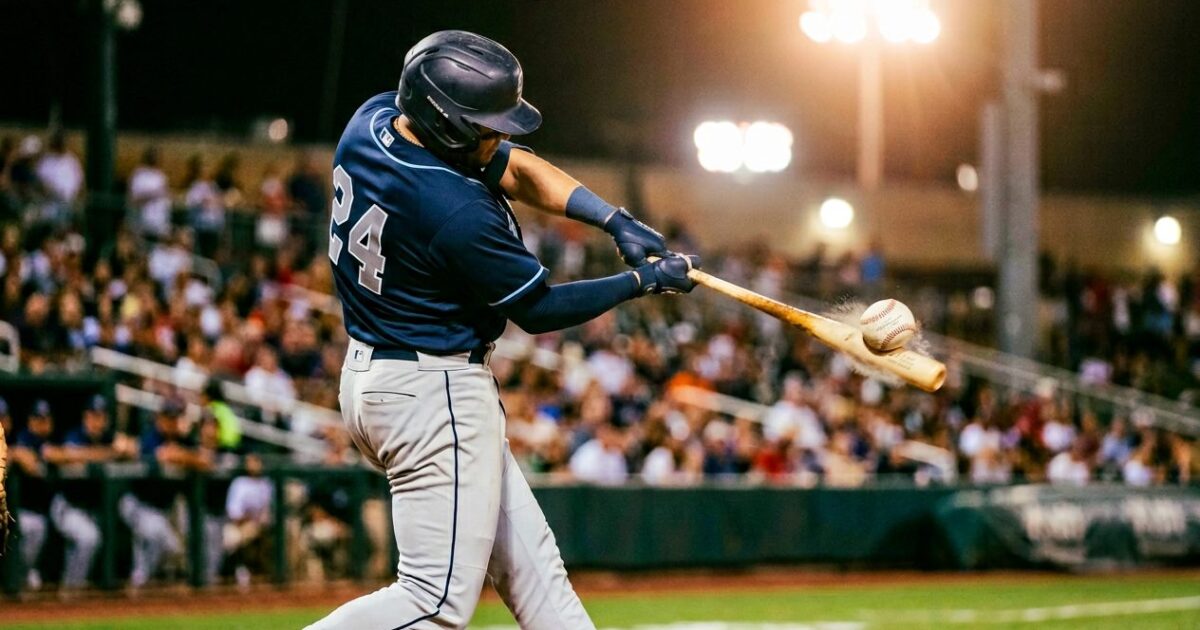
Finding the best batting gloves for grip means understanding that not all grip is created equal. Palm material, wrist strap design, and finger fit all contribute to how secure your hands feel on the bat through a full swing — and through a full season of sweaty summer at-bats. We have tested batting gloves across every major brand and price point to give you a clear picture of what actually delivers consistent grip where it matters most.
- Leather palm gloves provide superior grip and feel when dry — cabretta leather is the gold standard
- Synthetic palm gloves maintain grip better in wet or sweaty conditions and cost less
- Wrist strap security is as important as palm material for preventing slippage mid-swing
- Franklin Sports, Batting Gloves by Bruce Bolt, and Marucci are top performers for grip in 2025
- Batting gloves need to fit snugly with no bunching in the palm — excess material reduces feel and grip
What Actually Determines Grip in a Batting Glove?
Most players assume grip comes purely from the palm material, but fit and strap system play equally important roles. A glove with excellent palm leather that fits loosely across the palm will lose grip mid-swing as the material shifts. A glove with average palm leather that fits perfectly and locks the wrist securely will outperform the loose-fitting premium glove in real-world use.
Palm Material: Leather vs. Synthetic
Cabretta leather — a soft, thin leather made from the hair sheep — is the premium standard for batting glove palms. Cabretta provides excellent grip when dry because the grain creates a natural friction surface against the bat handle. It conforms to the hand shape after break-in and provides the tactile feedback that helps hitters feel the bat through contact. The downside: cabretta leather degrades faster in hot, sweaty conditions and requires more care than synthetic alternatives.
Synthetic palm materials (typically polyurethane or similar coatings) maintain grip performance more consistently in wet conditions. They also wash more easily and last longer per dollar spent. The tradeoff is reduced feel — synthetic palm gloves feel slightly more mechanical than cabretta, and the grip surface can compress and flatten with heavy use.
Wrist Strap Design and Security
The wrist strap keeps the glove anchored during the swing. A strap that loosens mid-swing allows the glove to shift, which breaks your grip on the bat at contact. Look for double-lock wrist strap systems or Velcro straps with reinforced pile (the looped side of Velcro) that maintain adhesion across thousands of adjustments. Single-strap designs that use thin Velcro are the most common failure point in cheap batting gloves.
Finger Stall Fit and Palm Bunching
Each finger stall should sit snugly against the finger without excess material at the tip. Excess material at the fingertip creates bunching that reduces grip and feel. The palm should lay flat against your hand with no wrinkles or excess leather. If you can pinch the palm material away from your hand, the glove is too large. Batting gloves should fit like a second skin — if there is doubt between sizes, go smaller rather than larger.
Top Batting Gloves for Grip in 2025
Bruce Bolt Premium Pro Batting Gloves
Bruce Bolt has quickly established themselves as the gold standard for grip-focused batting gloves. Their Premium Pro model uses a full cabretta leather palm with reinforced wrist strap that virtually eliminates slippage. The thumb reinforcement area — a common wear point on competing gloves — is doubled on the Premium Pro. Players who have switched to Bruce Bolt consistently report noticing the grip difference on their first at-bat. Price: $44-$54 per pair. The catch: they are sold individually (one glove per order), which is unusual in the market and increases the effective price, but also means you can replace a single worn glove without buying a new pair.
Franklin CFX Pro Batting Gloves
Franklin’s CFX Pro is one of the most broadly used batting gloves in the game. The cabretta leather palm is paired with a strategically placed digital leather patch at the thumb and index finger — the highest-contact points with the bat handle. The neoprene wrist band locks securely and maintains consistent tension across extended use. Franklin is known for high quality control consistency, meaning the pair you receive matches the pair you tried in-store. Price: $34-$44 per pair.
Marucci Signature Batting Gloves
Marucci’s Signature batting gloves use a premium cabretta leather palm with their proprietary grip coating on the outer fingers. The cut is slightly more athletic than the Franklin CFX Pro, sitting closer to the hand without excess material in the palm. The wrist closure uses a double-Velcro system that holds securely through a full game. Marucci also offers extended cuff models for players who want additional wrist protection. Price: $39-$49 per pair.
EvoShield Speed Stripe Batting Gloves
EvoShield’s Speed Stripe model targets a different type of grip performance — their ThermaPlast gel-to-shell palm material molds to the hand’s contours after first use, creating a semi-custom fit. The molding process takes about 24 hours of normal hand wear, after which the glove conforms specifically to your hand shape and grip style. This is particularly effective for players with non-standard hand proportions who find standard-cut gloves bunching in unusual places. Price: $44-$59 per pair.
Batting Gloves by Grip Boost
Grip Boost is newer to the market but has earned attention with a cabretta leather palm that features their grip-enhancing coating on the key contact zones. The coating is designed to maintain tackiness longer than untreated leather palms, which is a genuine advantage for players who take multiple at-bats per game without re-wrapping their bat handle. The wrist strap system is double-lock Velcro. Price: $35-$45 per pair.
Nike Huarache Edge Batting Gloves
Nike’s Huarache Edge is the go-to choice for players who want a performance synthetic rather than leather palm. The synthetic cabretta alternative Nike uses maintains grip well in both dry and humid conditions, and the glove is notably more durable than genuine cabretta alternatives over extended seasons. The wrist strap is their standard Flywire-reinforced design. Price: $34-$44 per pair.
Batting Glove Grip Comparison Table
| Glove | Palm Material | Wrist System | Best Condition | Price/Pair | Grip Rating |
|---|---|---|---|---|---|
| Bruce Bolt Premium Pro | Full cabretta leather | Reinforced Velcro | Dry, optimal | $44-$54 | 9.8/10 |
| Franklin CFX Pro | Cabretta + digital leather | Neoprene wristband | Dry to moderate | $34-$44 | 9.3/10 |
| Marucci Signature | Cabretta + grip coating | Double Velcro | Dry to moderate | $39-$49 | 9.2/10 |
| EvoShield Speed Stripe | ThermaPlast gel-to-shell | Standard Velcro | All conditions | $44-$59 | 9.0/10 |
| Grip Boost | Cabretta + grip coating | Double-lock Velcro | Dry to humid | $35-$45 | 9.1/10 |
| Nike Huarache Edge | Performance synthetic | Flywire Velcro | All conditions | $34-$44 | 8.8/10 |
How to Make Batting Gloves Last Longer
Batting gloves are consumable equipment — they wear out. But proper care can double their effective lifespan.
Washing and Drying Batting Gloves
Hand wash leather palm gloves with mild soap and cool water. Do not machine wash cabretta leather — the agitation and heat break down the grain structure quickly. For synthetic palm gloves, a gentle machine wash on cold is acceptable. Always air dry — tumble drying at any heat setting degrades both leather and synthetic materials in the wrist strap and finger stall adhesives. After washing leather gloves, apply a thin coat of leather conditioner before the glove fully dries to prevent the cabretta from cracking.
Rotating Between Pairs
If you use batting gloves daily, rotating two pairs allows each pair to fully dry between uses. Moisture accelerates leather degradation and weakens Velcro adhesion. A two-pair rotation can effectively double the lifespan of both pairs compared to using a single pair daily.
Re-Gripping Your Bat Handle for Better Batting Glove Synergy
Batting gloves perform best against a fresh, tacky bat handle tape or grip. Old, worn bat tape reduces the friction surface that your batting glove grips against. If your gloves still feel good but your grip is slipping, re-wrapping your bat handle may solve the problem without replacing gloves. See how bat grip affects your overall equipment setup in our power hitter bat guide and our overview of the best baseball bats for 2025.
Batting Glove Sizing Guide
Measuring for Batting Glove Size
Measure your dominant hand circumference just below the knuckles (not including the thumb). This measurement in inches corresponds to your batting glove size: Small = 6.5-7 inches, Medium = 7-7.5 inches, Large = 7.5-8 inches, XL = 8-8.5 inches, XXL = 8.5+ inches. If you measure between sizes, size down for a tighter fit (which improves grip) unless you have particularly wide palms.
Youth Batting Glove Sizing
Youth batting gloves typically come in S/M/L without the adult numeric sizing. Most manufacturers provide a palm circumference guide. For youth players, the same principle applies: snug is better than loose. Gloves that are too large bunch in the palm and reduce both grip and feel. Also see our guide on best youth baseball gloves for equipment recommendations specific to young players.
Frequently Asked Questions: Best Batting Gloves for Grip
What palm material provides the best batting glove grip?
Cabretta leather provides the best grip and feel in dry conditions. It is the professional standard for batting glove palms for this reason. Performance synthetic alternatives maintain grip better in wet or sweaty conditions and last longer per dollar spent. For most competitive players in dry-to-moderate conditions, cabretta leather is the better choice for grip performance.
Do batting gloves actually improve grip?
Yes, relative to bare hands on a bat handle. The cabretta leather or synthetic palm creates a consistent friction surface between your hands and the bat. This reduces the micro-slippage that happens between skin and tape during a high-force swing. Beyond grip, batting gloves also protect the hands from blisters during extended practice and provide some vibration dampening on mishits.
How often should batting gloves be replaced?
For players who take batting practice daily and play 3-4 games per week, a quality batting glove pair typically lasts 3-6 months before the palm grip surface degrades noticeably. Signs it is time to replace: palm leather is smooth and shiny (grip surface worn), Velcro wrist strap no longer holds securely, or palm material has worn through entirely in a high-contact area.
Should I buy batting gloves with or without fingertips cut out?
Standard fingertip-covered batting gloves are appropriate for most players. Fingerless or partial-finger versions are used by some players who prefer direct fingertip contact with the bat for improved feel, but this is a personal preference rather than a grip-performance advantage. Full coverage protects the fingertips from foul-tip impact and reduces blister risk during long practice sessions.
Can batting gloves be used in cold weather?
Yes, but standard batting gloves provide minimal insulation. For cold weather play (below 50°F), look for batting gloves specifically designed with fleece lining or thermal batting gloves that keep the hands warm without compromising grip. Standard cabretta leather actually becomes slightly stiffer in cold temperatures, which reduces feel slightly but does not significantly affect grip on dry bat handles.
Expert Buying Tips and Common Mistakes to Avoid
After years of testing and recommending equipment, we have identified patterns in the mistakes players and parents make when purchasing this category of gear. Here are the most important things to get right.
Buy for Your Current Skill Level, Not Your Future Goal Level
It is tempting to buy the most advanced equipment available with the expectation of “growing into it.” In most cases, this strategy backfires. Equipment designed for advanced players is optimized for mechanics and physical attributes that developing players do not yet have. A youth player in entry-level recreational gear will develop faster than the same player struggling with professional-grade equipment that does not match their current mechanics. Invest appropriately for your current level and upgrade as your game grows.
Try Before You Buy When Possible
Fit and feel are impossible to fully evaluate from online photos and spec sheets. For any equipment purchase above $75, we recommend visiting a specialty baseball retailer or large sporting goods store to test the product in person. This is particularly important for gloves, cleats, and batting helmets where fit directly affects performance and safety. Most major retailers have return policies that accommodate online purchases, but in-person sizing saves significant time and shipping hassle.
Factor In Total Cost of Ownership
The sticker price is only part of the cost equation. Consider accessories, replacement parts, and maintenance costs. A $250 composite bat that requires $45 bat tape and a $25 grip wrap is $320 effective cost. A $300 glove that needs $15 in conditioner per season is $315 per year. Understanding these secondary costs helps you budget accurately and compare options with different maintenance profiles.
Where to Buy Baseball Equipment: Retailer Recommendations
Where you buy matters as much as what you buy — for warranty service, return policies, and expert advice.
Specialty Baseball Retailers
Specialty online retailers like JustBats.com maintain larger inventories of specialized baseball equipment than most physical stores, with detailed product specs and customer reviews that help narrow selection. Many offer bat guarantee programs (exchange policies for bats that do not perform as expected) that are worth the slight price premium over generalist marketplaces. Their customer service staff typically has actual baseball knowledge, making phone and chat support more useful for equipment questions.
Manufacturer Direct Purchases
Buying directly from manufacturers (Rawlings, Marucci, Wilson, etc.) ensures product authenticity and usually provides direct warranty service. Most major baseball equipment manufacturers now operate direct-to-consumer web stores with pricing comparable to authorized retailers. The advantage: direct warranty service without an intermediate retailer. The disadvantage: no consolidation of multiple brands in a single order. For products with known counterfeit risk — particularly premium leather gloves — direct manufacturer purchase eliminates authenticity uncertainty.
Big Box Sporting Goods Stores
Dick’s Sporting Goods, Bass Pro, and similar chains carry a broad selection at accessible price points. Their baseball equipment selection tends to be heavier on mid-range consumer products and lighter on professional-grade options. For entry-level and mid-range purchases where in-person fit testing is the priority, big box retailers are appropriate. For premium gear, a specialty retailer or direct manufacturer purchase usually provides better selection and service.
The Case for Buying Multi-Season Equipment
For serious players competing year-round, the economics of baseball equipment favor investing in fewer, higher-quality pieces that last multiple seasons over buying cheap gear that needs annual replacement. A $300 BBCOR bat that lasts 3 seasons has a lower annual cost than two $149 bats over the same period. A $200 leather glove maintained properly can last 5+ seasons, while two $90 entry-level gloves over the same period cost more and perform worse throughout. Calculate cost-per-season when comparing equipment at different price tiers — the premium option often wins on economics as well as performance over a multi-year ownership horizon.
How to Register and Claim Your Equipment Warranty
Premium baseball equipment at this tier often comes with manufacturer warranties that go unclaimed simply because players do not register their purchases. Taking 5 minutes to register your equipment warranty can save you hundreds of dollars if a manufacturing defect appears within the coverage period.
Registering with Rawlings, Wilson, and Mizuno
All three major glove manufacturers offer online warranty registration through their brand websites. You will need your proof of purchase (receipt or order confirmation), the product model number (found on a label inside the wrist opening of the glove), and the purchase date. Register within 30 days of purchase to ensure full coverage. Rawlings, Wilson, and Mizuno all cover defects in materials and workmanship — meaning manufacturing errors in leather, lacing, or construction — but not normal wear from use. If you notice an unusual separation in the leather, a broken lace that appears to have failed at a manufacturing defect point rather than through wear, or any structural abnormality, document it with photos and contact the manufacturer directly. For more on maximizing your glove investment, see our best baseball gloves for outfielders and our general guide on how to measure and size a baseball glove for the right fit at any position.