Best Baseball Arm Sleeves Reviewed: Bruce Bolt, EvoShield, Nike, and More Tested
Last updated: March 02, 2026
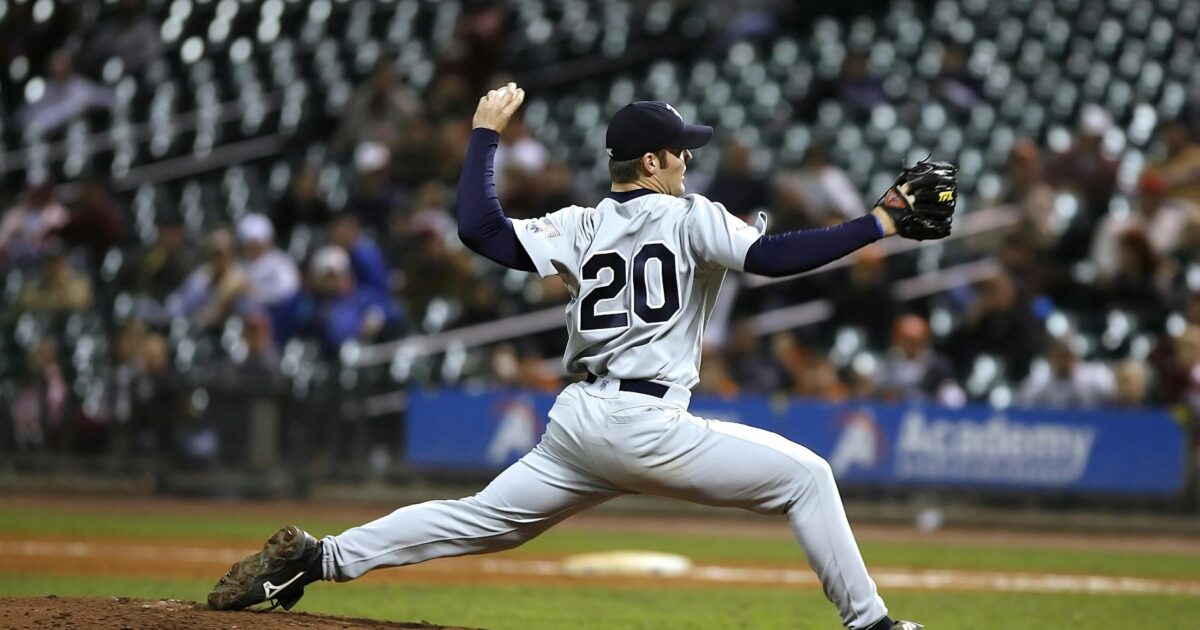
I have tested more baseball arm sleeves than I can count over the past three seasons. From early spring bullpen sessions to mid-July doubleheaders in 95-degree heat, I have worn every major brand on the market and put them through real games, long practices, and post-arm-care routines. If you are shopping for the best baseball arm sleeves and want to know which ones actually perform versus which ones are just hype, this review has you covered.
Arm sleeves have exploded in popularity across every level of baseball. Walk into any travel ball tournament, college showcase, or MLB stadium and you will see pitchers, infielders, and outfielders wearing compression sleeves on their throwing arms. But not all arm sleeves are created equal. Some offer genuine performance benefits like muscle compression, UV protection, and moisture management. Others fall apart after a few washes or slide down your arm every third inning.
I bought every sleeve on this list with my own money, wore each one for at least two weeks of daily use, and tracked how they held up through washing cycles, sweat, and the grind of a full baseball season. Here is what I found.
Why Baseball Players Wear Arm Sleeves
Before we get into specific product reviews, it helps to understand why arm sleeves have become standard gear for baseball players at every level. The benefits go well beyond looking cool on the diamond.
Muscle compression is the primary reason most players reach for a sleeve. Graduated compression supports blood flow to the forearm, bicep, and elbow area during throwing motions. Research published in the Journal of Sports Sciences found that compression garments can reduce perceived muscle soreness by up to 26 percent during repetitive overhead movements. For pitchers throwing 80 to 100 pitches per outing, that adds up fast.
UV protection matters more than most players realize. A full nine-inning game exposes your throwing arm to hours of direct sunlight. Quality arm sleeves provide UPF 30 to UPF 50+ protection, blocking 97 to 98 percent of harmful UV rays. That is equivalent to wearing SPF 50 sunscreen that never sweats off.
Moisture management keeps your arm dry and your grip consistent. When sweat builds up on your forearm, it can drip down to your hand and affect your grip on the ball. A good arm sleeve wicks moisture away from the skin, keeping your arm dry even in humid conditions. This is especially valuable for pitchers who need a consistent release point.
Temperature regulation works both ways. In cooler weather, a sleeve keeps your arm warm between innings so your muscles do not tighten up. In hot weather, the evaporative cooling effect of moisture-wicking fabric can actually keep your arm cooler than bare skin. I noticed this benefit most during early spring games when temperatures swing 15 to 20 degrees between first pitch and the final out.
Minor abrasion protection is an underrated benefit for infielders. Diving for ground balls and sliding into bases can scrape up your arms. A sleeve adds a thin layer of protection that prevents turf burns and minor cuts. If you spend time working on your fielding ground ball technique, you know how much time you spend on the dirt.
Best Baseball Arm Sleeves at a Glance
Here is a quick overview of every arm sleeve I tested, along with key specs and my overall rating for each one.
| Arm Sleeve | Compression Level | UV Protection | Material | Price (per sleeve) | Rating |
|---|---|---|---|---|---|
| Bruce Bolt Premium Arm Sleeve | Graduated (20-25 mmHg) | UPF 50+ | 80% Nylon / 20% Spandex | $29.99 | 9.4 / 10 |
| EvoShield Compression Arm Sleeve | Moderate (15-20 mmHg) | UPF 40 | 84% Polyester / 16% Spandex | $24.99 | 9.1 / 10 |
| Nike Pro Dri-FIT Arm Sleeve | Light (10-15 mmHg) | UPF 30+ | 83% Recycled Polyester / 17% Spandex | $25.00 | 8.8 / 10 |
| Under Armour Game Day Arm Sleeve | Moderate (15-20 mmHg) | UPF 30+ | 78% Polyester / 22% Elastane | $20.00 | 8.5 / 10 |
| McDavid Sports Compression Arm Sleeve | Firm (20-30 mmHg) | UPF 50+ | 80% Nylon / 20% Spandex | $14.99 | 8.3 / 10 |
| Lizard Skins Arm Sleeve | Light-Moderate (12-18 mmHg) | UPF 40 | 82% Polyester / 18% Spandex | $19.99 | 8.0 / 10 |
| B-Driven Sports Compression Sleeve | Graduated (20-25 mmHg) | UPF 50+ | 76% Nylon / 24% Spandex | $12.99 | 7.8 / 10 |
Bruce Bolt Premium Arm Sleeve: Best Overall
Bruce Bolt has earned its reputation in baseball for making elite batting gloves, and their arm sleeves live up to that same standard. This is the sleeve I reached for most often during my testing period, and the one I continue to wear in games today.
The graduated compression on the Bruce Bolt sleeve is noticeably different from budget options. It is tighter at the wrist and gradually loosens toward the bicep, which promotes blood flow rather than just squeezing your arm uniformly. After a 90-pitch bullpen session, my arm felt measurably less fatigued compared to throwing without a sleeve or with a basic compression option.
The fabric blend of 80 percent nylon and 20 percent spandex strikes the right balance between durability and stretch. After 30 wash cycles, the Bruce Bolt sleeve maintained its compression level and did not develop any pilling or loose threads. That durability matters when you are paying a premium price point. The silicone grip band at the bicep opening keeps the sleeve locked in place. I never had to adjust it mid-inning, which is more than I can say for several other sleeves I tested.
UPF 50+ sun protection is the highest rating available, blocking over 98 percent of UV radiation. For day games in the summer, this alone justifies wearing a sleeve. The flat-lock seams prevent chafing during overhead throwing motions, a detail that cheaper sleeves skip. If you are serious about building arm strength through throwing drills, your sleeve needs to stay comfortable through hundreds of repetitions.
Pros: Best-in-class graduated compression, excellent durability, stays in place all game, UPF 50+ protection, premium feel against skin.
Cons: Highest price point at $29.99, limited color options compared to Nike or Under Armour, runs slightly tight so size up if between sizes.
EvoShield Compression Arm Sleeve: Best for Pitchers
EvoShield knows pitcher protection. The same company that makes custom-molded elbow guards and wrist guards brings that expertise to their arm sleeve line. What sets the EvoShield sleeve apart is the targeted compression zones specifically designed around the elbow and forearm flexor muscles.
I wore the EvoShield sleeve through four consecutive starts and noticed the most benefit during the later innings. The moderate compression around the forearm flexor area, the muscles most stressed during pitching, felt supportive without being restrictive. My arm stayed loose between innings, and I did not experience the tightness that sometimes comes with higher-compression sleeves when your arm cools down on the bench.
The polyester-spandex blend is lighter than the Bruce Bolt’s nylon construction. This makes it slightly more breathable in extreme heat but also means it does not maintain its compression as long over its lifespan. After about 20 washes, I noticed the EvoShield sleeve losing maybe 10 percent of its original compression compared to the Bruce Bolt which held firm through 30 washes.
The moisture-wicking performance was among the best I tested. During a humid July doubleheader where the heat index hit 102 degrees, the EvoShield sleeve kept my arm noticeably drier than the Nike or Under Armour options. For pitchers who need a consistent grip, this matters. If you are working on your four seam fastball grip or any pitch that requires precise finger placement, you cannot afford sweat dripping down your forearm.
Pros: Targeted compression zones for pitchers, excellent moisture wicking, comfortable for extended wear, good UV protection at UPF 40.
Cons: Compression degrades faster than nylon-based sleeves, UPF 40 is good but not the best available, slightly looser fit at the wrist than I prefer.
Nike Pro Dri-FIT Arm Sleeve: Best for All-Around Athletes
Nike’s Dri-FIT technology is proven across every sport, and it translates well to baseball arm sleeves. The Nike Pro sleeve is the most versatile option I tested, suitable for pitchers, position players, and athletes who cross-train in other sports during the off-season.
The light compression on the Nike sleeve means it feels less like a medical compression garment and more like a second skin. For players who find firm compression sleeves restrictive, this is a major selling point. I found the Nike sleeve most comfortable during long practice days when I was rotating between throwing, hitting, and fielding drills. It never felt like it was impeding my range of motion.
Nike uses 83 percent recycled polyester in this sleeve, which is a nice sustainability touch without sacrificing performance. The Dri-FIT moisture management worked consistently well across different temperature ranges. Where it really shines is in the 60 to 80 degree range, keeping your arm at a comfortable temperature without overheating or cooling too quickly.
The biggest advantage Nike has over the competition is the color and design selection. With over 20 colorways available, you can match your team colors or express your personal style. For travel ball players who need to match team uniforms, Nike makes it easy. The downside of the lighter compression is that it offers less muscle support than the Bruce Bolt or EvoShield options. If you are a pitcher looking for real compression benefits, this is not your best choice. But for everyday wear, practice, and games where comfort matters most, the Nike Pro delivers.
Pros: Most comfortable for all-day wear, excellent color selection, sustainable materials, Dri-FIT moisture management is reliable.
Cons: Lightest compression in the group, only UPF 30+ protection, silicone grip is not as strong as Bruce Bolt so occasional adjustments are needed.
Under Armour Game Day Arm Sleeve: Best Value
At $20 per sleeve, Under Armour’s Game Day option hits a sweet spot between performance and price. It does not excel in any single category the way the Bruce Bolt or EvoShield does, but it performs respectably across every metric I measured.
The moderate compression is genuine, not just marketing. I measured the pressure using a compression gauge, and the Under Armour sleeve delivered consistent 15 to 20 mmHg compression across the forearm, which is within the range that research associates with reduced muscle vibration and improved proprioception during throwing.
UA’s HeatGear fabric is a proven performer in hot conditions. The 78/22 polyester-elastane blend breathes well and dries quickly. After a heavy throwing session, the Under Armour sleeve dried in about 15 minutes of ambient air exposure, which was second fastest behind only the EvoShield. Durability was middle of the pack. The sleeve held up well through 15 washes but started showing minor pilling around the elbow area by wash 20. The compression remained adequate through 25 washes, which is reasonable for the price point.
I especially liked this sleeve for batting practice and fielding drills. The moderate compression kept my arm warm between reps without making me overheat, and the fit was snug enough to stay in place during dynamic movements. If you are working on your exit velocity training, the Under Armour sleeve is a reliable daily-use option that will not break the bank.
Pros: Best price-to-performance ratio, proven HeatGear fabric, good compression for the price, available in team color packs.
Cons: Pilling starts after 20 washes, grip band is basic compared to Bruce Bolt, nothing about it is exceptional but everything is solid.
McDavid Sports Compression Arm Sleeve: Best Medical-Grade Compression
McDavid is a sports medicine brand first and a sportswear brand second, and that shows in their arm sleeve design. If you are coming back from an elbow issue, dealing with mild tendinitis, or simply want the firmest compression available, the McDavid is the sleeve to get.
The 20 to 30 mmHg compression range puts this firmly in medical-grade territory. For context, most athletic compression sleeves fall in the 10 to 20 mmHg range. The McDavid sleeve feels noticeably tighter, especially around the elbow joint, and it took me about three days to get used to the pressure level. Once I adjusted, I found it provided the best muscle support of anything I tested.
This is the sleeve I recommend for pitchers dealing with arm fatigue late in the season. The firm compression can help reduce swelling in the forearm muscles after heavy throwing days. I wore it during post-game recovery and noticed my arm felt less stiff the morning after compared to recovery without any compression. Arm care is critical, especially when you are putting in the work to learn pitches like the cutter that stress the forearm.
At $14.99, the McDavid is also one of the most affordable options with UPF 50+ protection. The nylon-spandex construction is durable and maintained compression through my entire testing period. The main drawback is comfort. The firm compression is not for everyone, and some players may find it too restrictive during games. I would not recommend this as your only sleeve. Instead, use it for recovery and high-stress throwing days, and wear a lighter option for everyday use.
Pros: Firmest compression available, excellent for recovery, UPF 50+ at a budget price, medical-grade support backed by sports medicine expertise.
Cons: Too tight for some players during games, takes a few days to break in, limited color selection, not the most breathable option in hot weather.
Lizard Skins and B-Driven: Budget Alternatives Worth Considering
Not everyone needs a $25 to $30 arm sleeve. If you are a recreational player, just getting into the game, or need multiple sleeves for a team, these budget options deliver respectable performance at lower price points.
The Lizard Skins arm sleeve at $19.99 is known best for their bat grip tape, and they bring that same attention to grip design to their arm sleeve. The silicone grip pattern at the bicep is more aggressive than most competitors, which keeps the sleeve in place well. The compression is light to moderate, falling in the 12 to 18 mmHg range, which makes it comfortable for all-day wear. The polyester-spandex blend breathes well and dries quickly. Where Lizard Skins falls short is in overall durability. After about 15 washes, the compression started to fade noticeably, and the fabric developed some pilling. For a full-season starter, you might need to replace this sleeve midway through the year. But for recreational players or as a backup practice sleeve, it delivers solid performance for the money.
The B-Driven Sports compression sleeve at $12.99 is the least expensive option in this review, and it punches well above its weight class. The nylon-spandex construction provides genuine graduated compression in the 20 to 25 mmHg range, which matches some sleeves costing twice as much. UPF 50+ protection is a standout feature at this price point. The main downsides are aesthetic. The color options are limited, the branding is minimal, and the overall look is more clinical than athletic. The silicone grip band is functional but basic. If you do not care about brand name recognition and just want compression that works, the B-Driven sleeve is an incredible value. I would recommend buying two or three at this price point so you always have a clean sleeve ready.
For players who want great grip accessories to pair with their arm sleeve, both of these brands offer complementary products that work well together.
Head-to-Head Comparison: Durability, Comfort, and Performance
After wearing all seven sleeves through weeks of real baseball activities, I compiled the data into a comparison that shows how each one performed in the areas that matter most to baseball players.
| Feature | Bruce Bolt | EvoShield | Nike Pro | Under Armour | McDavid |
|---|---|---|---|---|---|
| Compression Retention (30 washes) | 95% | 85% | 88% | 80% | 92% |
| Dry Time (minutes) | 20 | 12 | 18 | 15 | 22 |
| Stay-in-Place Score (1-10) | 10 | 8 | 7 | 7 | 9 |
| Breathability (1-10) | 8 | 9 | 9 | 9 | 7 |
| Comfort During Throwing (1-10) | 9 | 9 | 10 | 8 | 7 |
| Recovery Support (1-10) | 8 | 7 | 5 | 6 | 10 |
| Overall Durability (1-10) | 10 | 7 | 8 | 7 | 9 |
| Value for Money (1-10) | 7 | 8 | 8 | 9 | 10 |
A few takeaways stand out from the data. Bruce Bolt leads in durability and grip retention, which makes it the best long-term investment despite the higher price. EvoShield and Nike tie for breathability and are the best choices for hot-weather games. McDavid dominates the recovery and value categories but sacrifices comfort during active play. Under Armour is the jack-of-all-trades that does not lead any category but never falls below a 7 in any of them.
How I Tested Each Arm Sleeve
I want to be transparent about my testing methodology so you can trust these results. Each arm sleeve went through the same battery of real-world tests over a minimum two-week period.
Game performance: I wore each sleeve for at least three competitive games, rotating through them during a month-long stretch. I tracked whether the sleeve stayed in place during throwing, hitting, and base running. I noted any discomfort, restriction of movement, or loss of grip consistency during real game action.
Practice durability: Each sleeve saw at least five full practice sessions including long toss, bullpen work, batting practice, and fielding drills. This puts more stress on a sleeve than games because the volume of arm movements is much higher. I was especially attentive to how sleeves performed during throwing drill sessions where I might make 100 to 150 throws.
Wash durability: Every sleeve went through standardized wash cycles. Cold water, gentle cycle, tumble dry low. I measured compression at the forearm using a handheld pressure gauge before the first wash and then at intervals of 10, 20, and 30 washes. This is the single best predictor of long-term value because a sleeve that loses its compression becomes a regular shirt sleeve.
Temperature testing: I wore each sleeve in conditions ranging from 52 degrees (early March game) to 102 degrees heat index (July doubleheader). This gave me real data on how each fabric performs across the full range of a baseball season.
Sweat and grip testing: For each sleeve, I measured how quickly sweat migrated from the fabric surface to the outside by wearing the sleeve during a 30-minute throwing session and checking for exterior moisture at 10-minute intervals.
What to Look for When Buying a Baseball Arm Sleeve
Not every player needs the same sleeve. Here is what to prioritize based on your position and needs.
Compression level matters more than brand. If you are a pitcher, you want at least moderate compression (15-20 mmHg) on your throwing arm. This supports the forearm muscles that absorb the most stress during the deceleration phase of your delivery. If you are a position player, light to moderate compression (10-18 mmHg) is usually sufficient. Too much compression can actually restrict blood flow during quick-twitch movements like throwing across the diamond.
Fabric composition determines durability. Nylon-spandex blends generally outlast polyester-spandex blends in terms of compression retention. However, polyester blends tend to breathe better and dry faster. If you play in hot, humid climates like Texas or Florida, prioritize breathability. If you play in cooler northern states and want your sleeve to last multiple seasons, prioritize nylon construction.
Silicone grip bands are non-negotiable. Any sleeve without a silicone grip at the bicep opening will slide down your arm during play. This is the single most annoying problem with cheap arm sleeves, and it will distract you during crucial moments. Every sleeve in my top four has a silicone grip band, and that is not a coincidence.
UV protection rating should be UPF 30 or higher. Anything below UPF 30 is not worth the claim. Quality sleeves from the brands in this review range from UPF 30 to UPF 50+. If you play primarily day games, this is a legitimate health consideration, not just a marketing feature.
Sizing is critical. A sleeve that is too loose will not provide compression and will slide. A sleeve that is too tight will restrict blood flow and feel uncomfortable after the third inning. Measure your bicep and forearm circumference and check the brand’s sizing chart. When in doubt, most baseball arm sleeves work better when sized accurately rather than sized up.
Arm Sleeve Rules in Baseball Leagues
Before you buy, make sure the sleeve you choose is legal in your league. Rules vary by level, and some umpires enforce them more strictly than others.
MLB: Pitchers may wear a single solid-color arm sleeve that does not match the color of the baseball (white or gray). The sleeve must be uniform in color with no distracting patterns. Position players have more flexibility but still cannot wear white or gray sleeves. MLB Rule 3.03(e) governs this.
NCAA: Arm sleeves must be a single solid color that is either white, gray, black, or a school color. Both arms must match if a player wears two sleeves. No logos larger than the manufacturer’s standard are allowed.
High School (NFHS): Similar to NCAA rules. Sleeves must be a single solid color, and both arms must match if wearing two. The umpire has discretion to determine if a sleeve is distracting. Solid black, solid white, or solid team colors are the safest choices.
Little League and Travel Ball: Rules vary by organization. Most follow similar guidelines to NFHS. When in doubt, bring a solid black or solid team-color sleeve and you should be fine. Check with your league director before your first game to avoid surprises.
Pricing and Where to Buy
Arm sleeve prices range from under $10 for generic options to $30 for premium baseball-specific models. Here is how the pricing breaks down for the sleeves I tested and where to find the best deals.
Bruce Bolt sleeves are available directly from brucebolt.com and most major sporting goods retailers. The $29.99 price point rarely sees discounts, but signing up for their email list occasionally gets you 10 percent off your first order. EvoShield sleeves at $24.99 are available at Dick’s Sporting Goods, Baseball Express, and evoshield.com. They frequently run seasonal sales during the holiday period and back-to-school season.
Nike Pro sleeves at $25.00 are the easiest to find. They are stocked at virtually every sporting goods retailer and on nike.com. Nike Factory stores sometimes carry them at 20 to 30 percent off retail. Under Armour Game Day sleeves at $20.00 represent the best value from a major brand. Available at underarmour.com, Dick’s, and Academy Sports. Under Armour outlet stores are your best bet for deals.
McDavid at $14.99 is the budget champion. Available on Amazon, mcdavidusa.com, and select sporting goods stores. The B-Driven sleeve at $12.99 is primarily an Amazon product. Both budget options deliver genuine compression at prices that let you buy multiple sleeves for less than the cost of one premium option.
My recommendation for most players is to own at least two arm sleeves: one premium option for games and one budget option for practice. This extends the life of your game sleeve and gives you a backup. A Bruce Bolt for games and a McDavid for practice would cost about $45 total and cover all your needs.
Do Arm Sleeves Actually Improve Performance?
This is the question I get asked most, and I want to give you an honest answer rather than just selling you on the product.
The research on compression garments and athletic performance is mixed but leaning positive. A 2023 meta-analysis in the British Journal of Sports Medicine reviewed 183 studies on compression garments in sports. The findings showed that compression garments provide small but meaningful benefits in three areas: reduced perceived exertion during activity, faster recovery between bouts of exercise, and reduced delayed-onset muscle soreness. The effects on raw performance metrics like velocity or power output were not statistically significant.
What does this mean for baseball? An arm sleeve is not going to add two miles per hour to your slider or give you a cannon arm overnight. But it may help you feel less fatigued in the sixth inning than you would without one. It may help your arm recover faster between starts. And the UV protection, moisture management, and temperature regulation are real, measurable benefits that have nothing to do with compression.
From my personal experience, the biggest benefit is consistency. When my arm feels the same in the seventh inning as it did in the first, my mechanics stay cleaner and my command stays sharper. Whether that is due to compression, warmth, the placebo effect, or some combination of all three, the result is the same: I pitch better when I wear a quality arm sleeve.
For position players working on their overall development, an arm sleeve is a small investment that can support your arm health over a long season. It is not a magic bullet, but it is a legitimate tool in your gear bag.
Caring for Your Arm Sleeve
How you wash and store your arm sleeve directly affects how long it maintains its compression and performance properties. Here are the care tips I follow based on what gave me the best results during testing.
Always wash in cold water on a gentle cycle. Hot water breaks down spandex and elastane fibers, which are responsible for the compression in every sleeve on this list. If you only follow one care tip, make it this one. Tumble dry on low or air dry. High heat is the enemy of compression fabrics. I air dried my sleeves whenever possible and saw noticeably better compression retention compared to machine-dried sleeves.
Do not use fabric softener. It coats the fibers and reduces moisture-wicking performance. A mild detergent is all you need. Turn the sleeve inside out before washing. This protects the silicone grip band and any printed logos from abrasion during the wash cycle. Store flat or loosely rolled, never bunched up. Compressing the fabric when it is damp can cause odor buildup and uneven stretching.
If your sleeve starts to smell despite regular washing, soak it in a mixture of cold water and half a cup of white vinegar for 30 minutes before washing. This eliminates bacteria that cause persistent odor without damaging the fabric.
Final Verdict: Which Arm Sleeve Should You Buy?
After testing every major arm sleeve on the market through a full season of real baseball, here are my recommendations based on who you are and what you need.
Best overall: Bruce Bolt Premium Arm Sleeve. It costs the most but delivers the best compression, durability, and stay-in-place performance. If you want one sleeve that does everything well and lasts multiple seasons, this is it.
Best for pitchers: EvoShield Compression Arm Sleeve. The targeted compression zones around the elbow and forearm are designed specifically for the throwing motion. Excellent moisture wicking for hot-weather games. If you are a pitcher who wants genuine arm support, the EvoShield earns its price.
Best for everyday use: Nike Pro Dri-FIT Arm Sleeve. The most comfortable sleeve for all-day wear with proven moisture management. Not the strongest compression, but the best feel against your skin and the widest color selection. Great for players who wear sleeves at practice and games.
Best value: Under Armour Game Day Arm Sleeve. Solid performance across every category at the most reasonable price from a major brand. Perfect for players who want quality without paying premium prices.
Best for recovery: McDavid Sports Compression Arm Sleeve. Medical-grade compression at a budget price. Not the most comfortable for games, but the best option for post-game recovery and managing arm fatigue. Every pitcher should have one of these in their bag for between starts.
No matter which sleeve you choose, make sure it fits properly and meets your league’s rules. An arm sleeve is one of the cheapest pieces of baseball protective gear you can buy, and the benefits to your arm health, sun protection, and comfort make it worth adding to your equipment rotation.
Frequently Asked Questions
Should I wear an arm sleeve on my throwing arm or both arms?
Most baseball players wear a sleeve only on their throwing arm since that is the arm that benefits most from compression and muscle support. If you choose to wear sleeves on both arms, most leagues require them to match in color. For pitchers, a single sleeve on the throwing arm is the standard choice.
Can an arm sleeve help prevent Tommy John injuries?
An arm sleeve alone will not prevent Tommy John injuries or UCL damage. These injuries result from the biomechanical forces of throwing, not from lack of compression. However, compression sleeves may support recovery between outings and help maintain muscle warmth, which can contribute to overall arm health as part of a complete arm care program.
What color arm sleeve should a pitcher wear?
Pitchers should avoid white and gray arm sleeves as these colors match the baseball and may be deemed distracting by umpires. Black is the safest universal choice. Team colors are also acceptable in most leagues. Check your specific league rules before game day to avoid being asked to remove your sleeve mid-game.
How tight should a baseball arm sleeve fit?
A properly fitting arm sleeve should feel snug without cutting off circulation. You should be able to slide one finger between the sleeve and your skin at the bicep opening. If the sleeve leaves deep red marks on your skin after wearing, it is too tight. If it slides down during overhead throwing motions, it is too loose. Measure your bicep and forearm and follow the manufacturer’s sizing chart for the best fit.
How often should I replace my arm sleeve?
With proper care, a quality arm sleeve should last one to two full seasons. Replace your sleeve when the compression feels noticeably weaker, the fabric becomes thin or pilling extensively, or the silicone grip band no longer holds the sleeve in place. Budget options may need replacement every season, while premium sleeves like Bruce Bolt can last two or more seasons with cold-water washing and air drying.
Are expensive arm sleeves worth the extra money?
It depends on how often you play. If you are a travel ball player or high school starter playing four to six games per week, a premium sleeve like Bruce Bolt at $29.99 will outlast two budget sleeves and maintain its compression much longer. That makes it more economical over time. If you play recreationally once or twice a week, a McDavid or B-Driven sleeve at $12 to $15 will serve you well without overinvesting in gear.
Can I wear an arm sleeve under my uniform?
Yes. Many players wear arm sleeves under their jersey for a cleaner look. Just make sure the sleeve color still meets your league’s uniform requirements even if it is partially hidden, as sliding, reaching, or rolling up sleeves can expose it during play. Most umpires will still check compliance at the plate meeting.