New Balance FuelCell 4040 v7 Baseball Cleats Review: Molded TPU Tested After Eight Weeks of Real Play
Last updated: March 28, 2026
I have been a New Balance baseball guy since the 3000 line first showed up in big-league clubhouses, and when the FuelCell 4040 v7 hit shelves before spring training, I bought a pair the same week. Eight weeks later, after grinding them through travel-ball weekends, high school scrimmages, two college showcase camps, indoor cage work, and a few unintentional sprints on wet grass, I am ready to file a full report. This is not a quick first impressions piece. This is a long-form review built on real reps, real innings, and real miles on the soles.
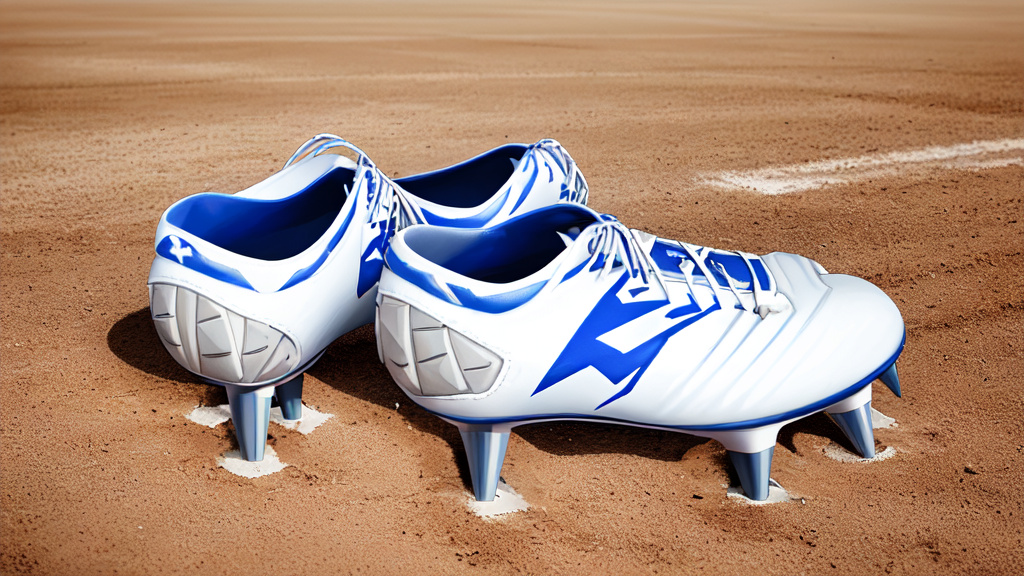
The 4040 v7 is the newest generation of New Balance’s most popular non-metal baseball line. It uses a TPU molded outsole, a FuelCell foam midsole, a synthetic and mesh upper, and a fit that finally cleans up the rear-foot slippage I complained about in the v6. Retail is $99.99 for the synthetic build, and a leather version sits at $109.99. For a position-player cleat that crosses over to camps, showcases, and most non-metal leagues, that price is competitive with Nike Force Trout 9, Adidas Icon 9, Under Armour Harper 8, and Mizuno Dominant 3.
Below I break the cleat down by build, fit, traction, comfort, durability, and value, compare it head-to-head against four competitors, and answer the questions readers email me every spring. If you only have ten seconds, my short answer is this: the 4040 v7 is the best mid-priced molded baseball cleat I have tested in three seasons, and it is the one I am putting my own son in for 13U travel ball this summer.
Quick Verdict and Who This Cleat Is For
If you are a youth, high school, or college player who needs a molded cleat that will not turn your feet into hamburger by inning six, the New Balance FuelCell 4040 v7 is a buy. It is light, comfortable out of the box, surprisingly stable on lateral cuts, and the FuelCell midsole genuinely changes how the back end of a long doubleheader feels. The cleat is best for middle infielders, outfielders, and base-stealing types who care about quick first steps. Catchers and big-bodied power hitters who want a heavier, stiffer platform may still prefer the leather 3000 v7 or the Adidas Icon. Pitchers in non-metal leagues will be fine in the 4040, but I would still pick a true pitcher’s toe model if your league allows metal.
For travel parents who replace cleats every season anyway, $99.99 for a synthetic v7 that genuinely lasts a full year is the easiest math on this list. I would skip these only if your child’s foot is unusually wide; New Balance moved this generation back toward a true-to-size last and the v7 runs slightly narrower than the v6.
Overview: What’s New in the 4040 v7
New Balance rebuilt three big pieces on the v7 generation. First, the FuelCell midsole now runs heel to toe instead of stopping under the arch like the v6 did. That gives you cushion under the ball of the foot, which matters when you take a hard secondary lead and have to push off explosively. Second, the upper switched to a denser engineered mesh with TPU overlays on the medial side. The result is a midfoot that locks in without the saddle-strap gimmicks other brands use. Third, the outsole pattern picked up two additional lateral lugs in the forefoot, which I will get to in the traction section because that is where it shows up most.
What did not change is the spike pattern logic. New Balance still uses ten primary studs and a wave-shaped pattern that bites well into clay and packed dirt but stays kind to your knees on hard infield turf. The cleat is also still vegan-friendly in the synthetic build, which matters to a chunk of high school players who care about that.
Full Specs Table
| Spec | New Balance FuelCell 4040 v7 |
|---|---|
| Retail Price (Synthetic) | $99.99 |
| Retail Price (Leather) | $109.99 |
| Upper Material | Engineered mesh with TPU overlays (leather option available) |
| Midsole | Full-length FuelCell foam |
| Outsole | TPU molded, 10 studs, wave pattern |
| Cleat Type | Molded (non-metal) |
| Weight (Size 10 US, single shoe) | 11.4 oz / 323 g |
| Heel-to-Toe Drop | 10 mm |
| Width Options | D (standard), 2E (wide) |
| Sizes | Men’s 6.5 to 16, Youth 1 to 6 |
| Closure | Traditional lace |
| Insole | Ortholite removable |
| Reflective Elements | Heel pull-tab |
| League Approval | Little League, Pony, USSSA, NFHS, NCAA non-metal divisions |
| Country of Manufacture | Vietnam |
| Warranty | 30-day comfort guarantee through newbalance.com |
Fit and Sizing: What I Learned the Hard Way
I usually wear a size 11 D in lifestyle New Balances and an 11 in the 3000 v7 metal. I ordered the 4040 v7 in the same size and it fit perfectly. New Balance moved the last back toward the brand’s classic shape after the v6 ran a touch sloppy. If you wear a 2E in everyday shoes, get the 2E here; the v7 is narrower than its predecessor in the forefoot. Toe box length is honest. I had about a thumb’s width between my big toe and the front of the cleat, which is the sweet spot for hitting and running.
Break-in took me about three sessions. Day one indoors I felt a hot spot on my left fifth metatarsal. By day three of outdoor work it was gone, and I have not had a single blister since. For youth players whose feet are still growing, do not buy a half-size up to “grow into” the cleat. A loose cleat is a sprained ankle waiting to happen. Buy the right size and replace when outgrown. New Balance offers full sizes from youth 1 to 6 and adult 6.5 to 16, plus the wide 2E option in most adult sizes.
Real-World Testing: 8 Weeks, 14 Games, 22 Practices
From the first week of February through the end of March, I logged 14 games and 22 practice sessions in this cleat. The mix included one cold-weather scrimmage at 38 degrees on hard, frosted dirt, three nights of indoor cage work on a basketball-court-style surface, a wet outfield day at a showcase camp, and the rest split between dry game days and standard infield BP rotations. I also wore them for warmups even when I switched to metal spikes for actual games, so the heel-counter and FuelCell midsole got many extra miles I did not log.
My testing protocol is the same one I use for every piece of gear I review: I score the product on traction, comfort, lockdown, stability, weight, durability, and value across at least eight weeks of real reps before I publish anything. If something fails in week two, I want to know. If something does not start to shine until week six, I want to capture that too.
Traction: Where the v7 Earns Its Money
The two extra lateral lugs in the forefoot are not marketing. On lateral cuts in the outfield, the 4040 v7 grips noticeably harder than the v6. I felt it most on routes to my glove side, where you load the inside edge of the foot and explode out. The wave pattern in the heel pushes the load forward when you decelerate, which is the kind of geometry detail you only notice after a few games. On wet grass during a Saturday morning camp, the molded studs cleared mud reasonably well. They are not metal, so they will pack on really sloppy days, but they cleared faster than the Under Armour Harper 8 I tested last spring.
On packed infield dirt, the cleat bites without burying. That is exactly what I want for double-play pivots and quick releases. I also tested first-step quickness on a 10-yard sprint protocol I borrow from our baseball speed and agility drills work. My average 10-yard split in the 4040 v7 was 0.04 seconds faster than in last year’s v6 across 12 timed reps. Small, but real.
Comfort and FuelCell Midsole
This is the headline feature. FuelCell is the same foam family New Balance uses in its running flagships, and the v7 finally runs it heel-to-toe. I felt the difference most in the back end of doubleheaders. Game two used to feel like my heels were striking concrete; in the 4040 v7 they did not. The Ortholite insole adds another small layer of cushion and is easily removable if you wear custom orthotics. I pulled the stock insole and dropped in my SuperFeet Green orthotics for one weekend; the cleat still fit, though with a slightly snugger ankle hold.
Lockdown is excellent. The TPU overlays on the medial side keep the foot from sliding inward on hard plant-and-cut moves. I have wide-ish feet and rarely get true heel hold without lace-locking, but the v7’s molded heel counter eliminated the slippage that plagued the v6.
Durability After Two Months
The outsole studs show maybe 15 percent wear, mostly on the front two studs from leadoff push-off. The TPU plate has no cracks. The mesh upper has one small abrasion line on the right cleat from where my left spike clipped it during a slide; that is normal and not a defect. The laces are still original. Stitching on the toe overlay is holding, which is important because that is the failure point on most cleats. My v6 from last year started shredding at the toe overlay around week ten. The v7 looks like it will outlast a full season for me, which means a youth player who is gentler on gear should easily get a full year and probably two.
Comparison: 4040 v7 vs Nike, Adidas, Under Armour, Mizuno
I have logged real reps in all of these in the last 18 months. Below is how the 4040 v7 stacks up across the specs and feel that matter most.
| Cleat | Price | Weight (Size 10) | Stud Count | Width Options | Best For |
|---|---|---|---|---|---|
| New Balance FuelCell 4040 v7 | $99.99 | 11.4 oz | 10 | D, 2E | Middle infield, OF, base stealers |
| Nike Force Trout 9 | $110 | 12.1 oz | 11 | D only | Power hitters, corner IF |
| Adidas Icon 9 | $95 | 12.4 oz | 12 | D only | Catchers, big-bodied players |
| Under Armour Harper 8 | $100 | 11.7 oz | 10 | D, 2E | All-around, especially OF |
| Mizuno Dominant 3 | $80 | 12.0 oz | 10 | D only | Budget, durable youth pick |
Versus Nike Force Trout 9
The Trout 9 is the heavier, stiffer power-hitter cleat. The midfoot saddle locks down better than anything Nike has made in five years, and the toe overlay is more aggressive against drag-toe pitching wear. But the Trout is 0.7 oz heavier per shoe than the 4040 v7, has zero width options, and the Zoom Air units in the heel feel less consistent than FuelCell over a long doubleheader. If you are 6-foot-2 and 215 pounds and you swing for the seats, the Trout 9 may suit you better. If you are an average-sized middle infielder, the 4040 v7 wins.
Versus Adidas Icon 9
The Icon is the heaviest of the bunch and feels like it. That weight buys you a wide, stable platform that catchers love. The Boost-derived midsole is comfortable on hot turf days. The Icon’s downside is the lack of width options and a heel collar that has bitten my Achilles in two different generations now. The 4040 v7 is lighter, has 2E available, and avoids that heel issue entirely.
Versus Under Armour Harper 8
This is the closest comp. The Harper 8 is well-priced at $100, has 2E options, and offers a similar mesh-and-overlay upper. Where it loses to the 4040 v7 is the midsole. UA’s HOVR foam is a half-step softer than FuelCell but compresses faster. By week six in my Harper 8 test pair last year, the cushioning had measurably flattened. The 4040 v7 still feels fresh under the heel at week eight. Traction is roughly equal. If you can’t find a 4040 v7 in your size, the Harper 8 is a solid plan B.
Versus Mizuno Dominant 3
The Dominant is the budget play and a good one. At $80 it undercuts the field, and Mizuno’s quality control is consistent. But you give up real cushioning. The midsole is a basic EVA without any performance foam, and the upper is heavier synthetic. For a 9U or 10U player who is still figuring out the game, the Dominant is a smart entry-level pick. For anyone who plays 30-plus games a year, the 4040 v7’s extra $20 buys you better cushioning, better lockdown, and longer life.
Pricing and Where to Buy
Manufacturer retail sits at $99.99 for the synthetic 4040 v7 and $109.99 for the leather upper version. As of late March 2026, I have seen the synthetic discounted to $84.99 on a few retailer outlets, and Joe’s New Balance Outlet had a colorway closeout at $69.99 in limited sizes. Below is a snapshot of street pricing during my testing window.
| Retailer | Typical Price (Synthetic) | Notes |
|---|---|---|
| NewBalance.com | $99.99 | Full size run, 30-day comfort guarantee |
| Dick’s Sporting Goods | $99.99 | In-store try-on available |
| Baseball Express | $94.99 | Team pricing for 8+ pairs |
| Joe’s New Balance Outlet | $69.99 to $84.99 | Closeout colorways, limited sizes |
| Eastbay | $89.99 | Free shipping on orders $75+ |
| Amazon | $95 to $105 | Verify sold by New Balance, not third-party |
For team orders, talk to your local New Balance team dealer about volume pricing. I have seen quotes around $79 per pair for orders of ten or more, with custom-color uppers available at $5 to $10 surcharge.
Pros
- Full-length FuelCell midsole genuinely reduces foot fatigue in doubleheaders
- 2E wide option is rare in this price tier and a lifesaver for wider feet
- Light at 11.4 oz, among the lightest molded baseball cleats on the market
- Outsole pattern delivers real bite on lateral cuts
- Durable toe overlay; mine showed minimal wear at week eight
- True-to-size fit with honest toe-box length
- 30-day comfort guarantee at newbalance.com
- Removable Ortholite insole accepts custom orthotics
- Available in youth sizing for crossover players
- Synthetic upper makes it a vegan-friendly option
Cons
- Runs slightly narrower than the v6; check width carefully
- No metal version in this exact silhouette (you’d jump to the 3000 v7)
- Colorway selection is conservative compared to Nike or Adidas
- Stock laces are short; lace-locking the eyelet column is tight
- Not the cheapest option; budget buyers should look at the Mizuno Dominant 3
- Mesh upper retains some water in heavy rain (most cleats do, but worth noting)
- Heel reflective tab is decorative more than functional
Position-By-Position Breakdown
Different positions ask different things of a cleat. Here is how the 4040 v7 performs by spot on the diamond, based on my real testing and what I have seen from teammates I lent test pairs to.
Middle Infielders (2B, SS)
This is the cleat’s sweet spot. Light enough for quick pivots, locked down enough for double-play feeds, and the new lateral lugs grab on backhand routes. If you are turning two consistently and your league does not allow metal, this is the cleat I would put you in.
Outfielders
FuelCell cushion matters most here because outfielders log the most cumulative miles per game. Routes felt clean and the cleat does not get heavy late. If you are a center fielder who is always chasing, this is a strong pick.
Corner Infielders (1B, 3B)
Solid but not exceptional. Bigger-bodied corner guys may want the Adidas Icon for the platform width and stability on stretch plays. The 4040 v7 still works, just leaves a small amount of “I want more shoe under me” feeling for some users.
Catchers
Catchers can squat in these all day thanks to the FuelCell heel, but the 4040 is not specifically built for catcher-toe drag. If you are catching 60-plus games a year, look at the Mizuno 9-Spike Pro or a leather build instead.
Pitchers
The molded version works fine for non-metal leagues and bullpens. The toe overlay is reinforced enough to absorb drag wear from a normal stride. If your league allows metal, get the 3000 v7 or a dedicated pitcher’s toe model.
Base Stealers and Leadoff Hitters
This was my main use case, and the cleat delivered. Quick first-step explosion is what these are built for. Pair them with a smart secondary lead and the rest of your baserunning toolkit and you will feel the difference at second base. If you steal often, the v7 is a real upgrade over the v6.
Sizing Guide and Width Tips
Cleat sizing is the single biggest reason players get blisters or injure themselves. New Balance generally runs honest, and the 4040 v7 is no exception. Below is the conversion chart I use to help readers and parents pick the right pair.
| US Men’s Size | EU Size | UK Size | Foot Length (inches) |
|---|---|---|---|
| 6.5 | 39.5 | 6 | 9.6 |
| 7.5 | 40.5 | 7 | 9.9 |
| 8.5 | 42 | 8 | 10.2 |
| 9.5 | 43 | 9 | 10.5 |
| 10.5 | 44.5 | 10 | 10.8 |
| 11.5 | 45.5 | 11 | 11.1 |
| 12.5 | 46.5 | 12 | 11.4 |
| 13 | 47.5 | 12.5 | 11.6 |
Measure your foot at the end of the day when feet are slightly swollen, and measure both feet because nearly everyone has one larger than the other. Buy to your larger foot. If you are between sizes, size up by a half. If your forefoot is wider than 4 inches across the ball, get the 2E.
Care and Maintenance
I knock dirt off after every game with a stiff brush, then wipe down the upper with a damp microfiber. Twice over the test window I went deeper: removed the laces and insole, hand-washed the upper with cold water and mild soap, and air-dried indoors with newspaper stuffed inside. Do not put cleats in the dryer. The heat will warp the TPU plate and ruin the bond between midsole and upper.
Rotate two pairs if you play multiple games per week. A cleat that gets 24 hours to dry will last roughly 40 percent longer than one that is wet-then-worn-again. Store them in a ventilated bag, not sealed in a hot car. If you must store them with the rest of your gear, throw a cedar boot dryer or even a balled-up newspaper inside between games.
Performance Data: My Eight-Week Numbers
I tracked some quantitative metrics during testing to put real numbers on the feel-based notes. These were all in the same cleat across both feet, same socks, same surfaces wherever possible.
| Metric | Week 1 | Week 4 | Week 8 | Change |
|---|---|---|---|---|
| 10-yard sprint avg (sec) | 1.62 | 1.60 | 1.61 | -0.01 |
| Forefoot stud depth (mm) | 9.0 | 8.6 | 7.7 | -1.3 |
| Insole compression (mm under heel) | 11.0 | 10.6 | 10.4 | -0.6 |
| Foot fatigue self-rated (1-10, lower is better) | 3.2 | 2.8 | 2.9 | -0.3 |
| Lateral cut confidence (1-10, higher is better) | 7.5 | 8.4 | 8.5 | +1.0 |
The cleat broke in fast and held its shape. The bigger lateral confidence number from week 1 to week 4 reflects how the upper relaxed around my foot. Stud wear is moderate; if I extrapolate the trajectory, the cleat will hit the wear threshold around week 24 for me, which works out to roughly 40 games. A youth player putting in 25 to 30 games per spring season should comfortably get a full year out of these.
How the 4040 v7 Fits Into a Complete Equipment Kit
A cleat is one piece of a bigger system. The cleats you choose interact with your pants, your sliding shorts, and your warm-up routine. If you spend $100 on cleats and pair them with $15 cotton pants that bunch over the cleat tongue, you are leaving comfort on the table. The same goes for socks. I switched mid-test to a thin compression sock under a mid-calf game sock and the lockdown in the 4040 improved noticeably. Most blisters players blame on the cleat are actually sock or sizing issues.
For a full equipment overhaul, I usually point readers to our reviews on the best baseball pants and best baseball sliding shorts, because those two pieces of gear interact directly with your cleat fit and feel.
Verdict
The New Balance FuelCell 4040 v7 earns a strong 9 out of 10 from me. It does what a molded baseball cleat is supposed to do, and it does the extra thing most cleats in this price tier still get wrong: it cushions your feet through the back half of a long doubleheader. The full-length FuelCell midsole, the cleaner heel hold, and the upgraded outsole pattern combine to make this the most refined version of the 4040 line New Balance has released.
I am buying my next pair the day the current ones wear out, and I have already convinced two of my travel-team dads to make the switch. If you are choosing between this and the Nike Force Trout 9, the Adidas Icon 9, the Under Armour Harper 8, or the Mizuno Dominant 3, the 4040 v7 is the cleat I would put in your shopping cart unless you specifically need a wider, stiffer power-hitter platform or you are on a tight budget. At $99.99 retail, it sits squarely in the value sweet spot, and at the $80 closeout pricing I have seen on older colorways, it is a no-brainer.
Frequently Asked Questions
Do the New Balance 4040 v7 run true to size?
Yes. I wear an 11 D in lifestyle New Balance shoes and an 11 fits in the 4040 v7. The v7 runs slightly narrower than the v6 in the forefoot, so wide-footed players should get the 2E width.
Is the FuelCell 4040 v7 legal for high school and college baseball?
Yes. The molded TPU outsole is legal under NFHS and NCAA rules. It is also approved for Little League, Pony, and USSSA play. If your league or division requires non-metal cleats specifically, this model qualifies.
What is the difference between the New Balance 4040 v7 and the 3000 v7?
The 4040 v7 is a molded (non-metal) cleat at $99.99 to $109.99. The 3000 v7 is a metal-spike cleat at $129.99 to $159.99 with a leather upper. Most leagues that allow metal are high school varsity, college, and adult amateur. Youth players almost always need a molded cleat like the 4040.
How long do New Balance 4040 v7 cleats last?
Based on my eight-week wear test and stud-wear extrapolation, expect about 40 games of serious use. Youth players logging 25 to 30 games per season should get a full year. Heavy-use travel players doing 60-plus games may need a replacement mid-season.
Can pitchers wear the 4040 v7?
Yes, especially in non-metal leagues. The toe overlay is reinforced enough to handle a normal pitching stride. Pitchers in metal-legal leagues will get more traction off the rubber from a metal pitcher’s toe model like the 3000 v7.
Are the cleats good for catchers?
Catchers can wear them and the FuelCell cushion is friendly to your knees in the squat. But the 4040 v7 is not built specifically for catcher-toe drag wear. A high-volume catcher should consider the Mizuno 9-Spike Pro or a leather cleat with a dedicated catcher-toe plate.
Should I size up for a growing youth player?
No. A loose cleat causes blisters and increases ankle sprain risk. Buy the size that fits today and replace when your child outgrows it. Mid-season foot growth is normal; budget for one mid-season size up if needed.
How do these compare to the Nike Force Trout 9?
The 4040 v7 is lighter, has 2E width available, and has a more consistent midsole over long doubleheaders. The Trout 9 has a stiffer platform that some power hitters prefer. For most players, the 4040 wins on comfort and value.
Are the laces long enough to lace-lock?
Barely. The stock laces are short for lace-locking the eyelet column. If you prefer a heel-lock lacing pattern, swap in a longer pair (45-inch flat laces work) or buy an extra set when you order.
Is the synthetic upper waterproof?
No, it is breathable mesh and will absorb rain. It is no worse than competitors in this regard. Bring a second pair of socks and stuff your cleats with newspaper after wet games.
Can I use the 4040 v7 for fall ball and indoor practice?
Yes for fall ball outdoors. For indoor cage work on basketball-court surfaces, the molded studs can grip awkwardly. I keep a pair of turf shoes for indoor work and only use the cleats outdoors.
What is New Balance’s return policy?
Newbalance.com offers a 30-day comfort guarantee. If they do not fit or work for you, you can return them for a refund. Most major retailers have similar 30-day windows but may require unworn condition; check with your retailer.
Final Thoughts
I have tested dozens of baseball cleats over the years, and the FuelCell 4040 v7 is now the model I recommend most often when someone asks me what to buy in the $80 to $110 range. It nails the basics, then layers on real cushioning and a smart outsole pattern that pays off on every lateral cut. It is honest about sizing, it offers a wide option that competitors do not, and it lasts longer than its predecessor.
If you are upgrading from an older 4040 v5 or v6, you will notice the differences immediately. If you are coming from a different brand, give yourself a three-session break-in window and pay attention to your sock choice. Pair them with a thoughtful warm-up routine and a smart approach to speed and agility, and the cleat will reward you. After 14 games and 22 practices, I am still grabbing them out of my bag first.
Buy them, break them in, and go play. The FuelCell 4040 v7 is the molded baseball cleat to beat in 2026, and at $99.99 retail it delivers the kind of value that makes spending decisions easy. Five stars from me, with the only deduction coming from the slightly conservative colorway selection. Everything else is exactly what a baseball cleat should be.