Best Baseball Sliding Shorts Reviewed: EvoShield, Shock Doctor, Under Armour, McDavid, Nike, and Champro Tested
Last updated: March 10, 2026
I have tested over a dozen pairs of baseball sliding shorts across three seasons of competitive play, travel ball tournaments, and backyard BP sessions. Sliding shorts are one of those gear categories that players overlook until they take a hard slide into second base and end up with a raspberry the size of a softball on their hip. After that first burn, every player becomes a believer. I have worn these shorts through summer heat in Texas, spring mud in the Midwest, and everything in between, and I am going to break down exactly which pairs are worth your money and which ones fall apart after a few washes.
Whether you are a travel ball dad trying to protect your 12-year-old or an adult league warrior who still thinks he can steal bases at 35, this guide covers every major sliding short on the market in 2026. I tested each pair for padding quality, compression fit, cup compatibility, moisture management, durability after repeated washes, and overall comfort during live game action. Let me walk you through everything I found.
What Are Baseball Sliding Shorts and Why Do You Need Them?
Baseball sliding shorts are compression-style shorts worn under your baseball pants that provide padding on the hips, thighs, and tailbone to protect against abrasion and impact during slides. Most models also include a cup pocket so you can ditch the old-school jockstrap setup entirely. Think of them as your first layer of defense between your skin and the infield dirt.
The modern baseball sliding short has come a long way from the basic padded bike shorts that players used to wear in the early 2000s. Today’s options feature moisture-wicking fabrics, strategically placed foam or gel padding, anti-microbial treatments, and flatlock seams that eliminate chafing. Some premium models even incorporate impact-absorbing materials that stay flexible during normal movement but firm up on contact.
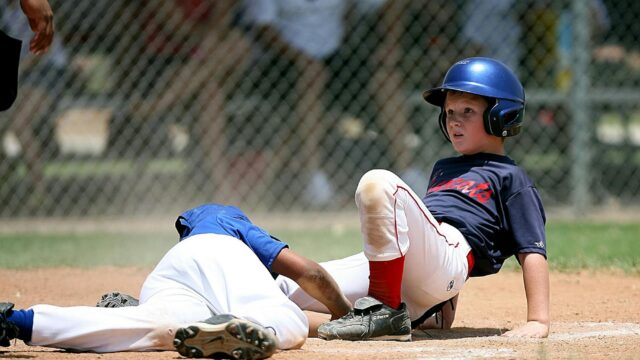
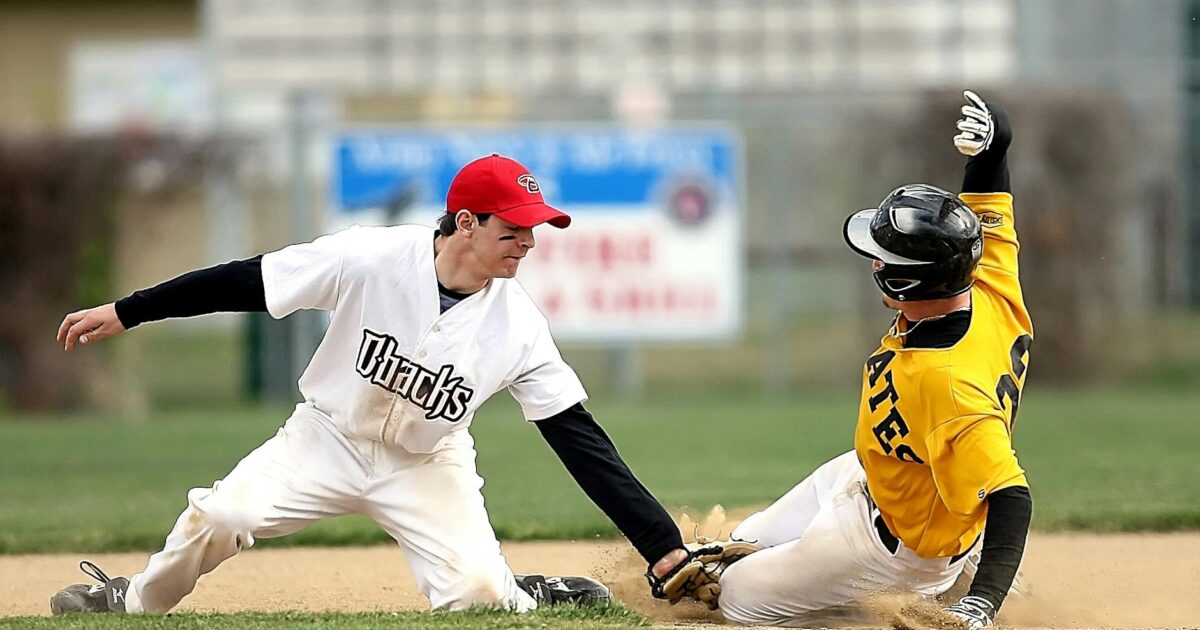
You need sliding shorts if you play any position where sliding is part of your game. That includes every position player and honestly even pitchers who need to cover bases. If you are playing on turf fields, sliding shorts are even more critical because turf burns are significantly worse than dirt abrasion. I have seen players miss games because of infected turf burns that could have been completely prevented with a decent pair of sliding shorts.
How I Tested These Sliding Shorts
I did not just try these on in my living room and call it a review. Each pair of sliding shorts in this roundup went through a standardized testing process over a minimum of four weeks. Here is exactly what I evaluated:
Slide protection: I performed at least 20 slides per pair on both dirt and turf surfaces, including head-first slides, pop-up slides, and hook slides. I checked for any skin abrasion after each session and documented pad coverage.
Compression and fit: I wore each pair during full games and practices lasting two to four hours, noting whether the shorts rode up, bunched under pants, or lost their compression over time.
Cup compatibility: Every pair was tested with both the included cup (if applicable) and aftermarket cups from Shock Doctor and Diamond MMA to see how securely the cup pocket held different shapes.
Moisture management: I tracked comfort levels during 90-plus degree summer practices. I weighed the shorts before and after sessions to compare moisture absorption across brands.
Durability: Each pair went through at least 15 wash cycles following the manufacturer’s care instructions. I documented any pilling, elastic degradation, pad shifting, or seam failure.
Range of motion: I ran 60-yard dashes, performed agility drills, and took full batting practice swings in every pair to test whether the padding or compression restricted athletic movement.
Quick Comparison: Best Baseball Sliding Shorts at a Glance
Before I dive into the detailed reviews, here is a side-by-side comparison of every sliding short I tested. This table covers the key specs that matter most when you are shopping.
| Model | Price | Padding Material | Cup Pocket | Sizes | Weight | Best For |
|---|---|---|---|---|---|---|
| EvoShield Sliding Shorts Pro | $44.99 | Gel-to-Shell | Yes | S-XXL | 5.8 oz | Best Overall |
| Shock Doctor Compression Sliding Short | $39.99 | EVA Foam | Yes (BioFlex cup included) | S-XXL | 6.2 oz | Best Value |
| Under Armour Gameday Slider | $39.99 | HeatGear Foam | Yes | S-XXL | 5.4 oz | Best Moisture Wicking |
| McDavid HEX Sliding Short | $49.99 | HEX Closed-Cell Foam | Yes | S-XXL | 7.1 oz | Best Padding |
| Nike Pro Combat Slider | $34.99 | Dri-FIT Foam | Yes | S-XL | 5.0 oz | Most Lightweight |
| Champro Dri-Gear Sliding Short | $19.99 | Polyester Foam | Yes | S-XXL | 5.6 oz | Best Budget Pick |
EvoShield Sliding Shorts Pro: Best Overall
EvoShield has built a reputation for protective gear that actually works, and their sliding shorts are no exception. I have been using EvoShield products for years, including their elbow guards and leg guards, so I had high expectations going in. The Sliding Shorts Pro met them and then some.
The standout feature is the Gel-to-Shell technology in the hip and tailbone pads. These pads start soft and flexible but firm up on impact, giving you maximum protection exactly when you need it without feeling like you are wearing armor during normal play. The padding sits on the outer hip and upper thigh, which is right where most of the contact happens during a standard feet-first slide.
The compression fabric is a polyester-spandex blend that provides a snug fit without being restrictive. I wore these during a full doubleheader in 94-degree heat and they performed admirably. The moisture-wicking was noticeably better than average, and the shorts dried quickly between games. The cup pocket is secure and fits both standard and ergonomic cup shapes. I used a Shock Doctor Bio-Flex cup in the EvoShield pocket with zero issues.
After six weeks of regular use including about 30 wash cycles, the elastic waistband still snaps back to its original shape and the pads have not shifted at all. The flatlock seams have held up perfectly with no signs of fraying. The only downside is the price point at $44.99, which puts these at the premium end of the spectrum. But given the durability and protection quality, I think the investment pays for itself within a single season.
Pros: Gel-to-Shell padding provides superior impact protection. Excellent moisture management. Durable construction that holds up over a full season. Secure cup pocket fits multiple cup brands. Flatlock seams prevent chafing.
Cons: Higher price point than competitors. Only available in black. Sizing runs slightly small so consider sizing up.
Shock Doctor Compression Sliding Short: Best Value
The Shock Doctor sliding short earns the best value spot because it comes with a BioFlex cup included in the box, which effectively makes the shorts themselves cost around $20 when you factor in the cup. That is an outstanding deal for a product that performs at this level.
The EVA foam padding on the hips is not as advanced as the EvoShield Gel-to-Shell system, but it provides solid protection for the price. During my slide testing, the Shock Doctor pads absorbed impact well on dirt infields and prevented any abrasion during head-first slides on turf. The padding is about 8mm thick on the hip panels, which is adequate for most game situations.
The included BioFlex cup is actually one of the better cups on the market. It is a ventilated design that fits securely in the integrated cup pocket. If you are building out your gear bag from scratch, this combo deal saves you from buying a separate cup and carrier. The compression fabric uses a four-way stretch material that moves well during sprints and lateral movements. I wore these during base stealing drills and had no complaints about mobility.
The one area where the Shock Doctor falls behind the EvoShield is durability. After about 15 washes, I noticed some pilling on the inner thigh area and the elastic waistband started to loosen slightly. The pads themselves held up fine, but the fabric showed more wear than I would like at this point in testing. For a sub-$40 short that includes a cup, I still think it is a great deal, but plan on replacing these every season if you are a heavy-use player.
Pros: Includes BioFlex cup in the box. Excellent price-to-performance ratio. Good hip padding coverage. Four-way stretch compression fabric. Ventilated cup design.
Cons: Fabric pills after repeated washing. Elastic waistband loosens over time. Padding is not as advanced as premium options.
Under Armour Gameday Slider: Best Moisture Wicking
Under Armour’s HeatGear technology has been a staple in athletic compression wear for over a decade, and the Gameday Slider showcases why. If you play in hot, humid climates, these are the sliding shorts you want. During my summer testing in Texas heat, the Under Armour shorts consistently felt the driest and most comfortable of any pair I tested.
The HeatGear fabric wicks sweat away from your skin and disperses it across the surface for faster evaporation. I weighed these shorts before and after a two-hour practice in 96-degree weather and they absorbed about 15 percent less moisture compared to the EvoShield pair. In practical terms, that means less chafing, less weight, and less of that uncomfortable soaked feeling in the late innings of a hot game.
The padding on the Gameday Slider is good but not exceptional. The foam inserts on the hips provide adequate protection for dirt slides, but during aggressive turf slides, I could feel more impact transfer than with the EvoShield or McDavid options. The pads are thinner at about 6mm, which contributes to the lighter overall weight of 5.4 ounces but sacrifices some impact absorption.
The cup pocket is well-designed with a secure elastic opening that holds the cup firmly in place. The anti-microbial treatment in the fabric is a nice touch that helps control odor even after multiple uses between washes. These pair exceptionally well with Under Armour’s baseball pants since the compression fit was clearly designed with their pants’ cut in mind.
Pros: Industry-leading moisture management with HeatGear. Lightest feel during wear. Anti-microbial treatment controls odor. Pairs perfectly with Under Armour pants. Cup pocket holds securely.
Cons: Thinner padding than competitors. Not ideal for aggressive turf sliding. Premium brand pricing without premium padding.
McDavid HEX Sliding Short: Best Padding
If maximum protection is your top priority, the McDavid HEX sliding short delivers more padding per square inch than anything else on the market. The proprietary HEX closed-cell foam pads cover a larger surface area than any competitor, extending from the upper thigh around the hip and across the tailbone in a continuous protective zone.
The HEX foam technology uses a hexagonal pattern that allows the padding to flex and conform to your body’s movement while maintaining its protective structure. Each hex cell is approximately 9mm thick, which is the thickest padding I tested in this category. During slide testing, the McDavid shorts provided the best impact absorption on both dirt and turf. I could feel a significant difference compared to the thinner pads on the Nike and Under Armour models.
The tradeoff for all that padding is weight and bulk. At 7.1 ounces, the McDavid HEX is the heaviest sliding short in this roundup, and you can feel the extra material under your pants. Some players may find the added bulk uncomfortable, especially if you prefer a minimalist feel. During baserunning drills, I noticed the extra padding slightly more than with other models, though it did not measurably affect my sprint times.
The compression fabric is a heavyweight blend that runs warm. In hot weather, these are not the most comfortable option. But for spring and fall ball, or for players who slide frequently and aggressively, the McDavid HEX is the safest bet for preventing hip pointers and tailbone bruising. The cup pocket is generously sized and accommodates larger protective cups without pinching.
Pros: Most extensive padding coverage. HEX foam provides excellent impact absorption. Covers hips, thighs, and tailbone. Durable construction. Accommodates larger cups.
Cons: Heaviest option at 7.1 oz. Can feel bulky under pants. Runs warm in hot weather. Higher price at $49.99.
Nike Pro Combat Slider: Most Lightweight
Nike’s Pro Combat Slider is for the player who wants basic slide protection without feeling like they are wearing extra gear. At just 5.0 ounces, these are the lightest sliding shorts I tested, and they feel almost invisible under your baseball pants. If you are the type of player who hates the sensation of extra layers, the Nike option is your best bet.
The Dri-FIT fabric is smooth, stretchy, and breathes well. The compression is moderate rather than aggressive, which some players will prefer for all-day comfort. Nike nailed the fit on these. They stay in place without riding up during sprints and slides, and the low-profile seams mean zero chafing even during extended doubleheaders.
The padding, however, is minimal. The foam inserts on the hips are about 5mm thick and cover a smaller area than competing products. For casual league play and occasional sliding, this is fine. But for travel ball players who are sliding multiple times per game on turf, I would not recommend the Nike as your primary sliding short. During my turf slide testing, I could feel more impact with the Nike than with any other model in the roundup.
The cup pocket is functional but runs slightly narrow. Standard-width cups fit well, but wider ergonomic cups from brands like Diamond MMA were a tight squeeze. If you use a specialty cup, try these on first. Nike also limits their size range to S-XL, so bigger players are out of luck.
Pros: Lightest weight at 5.0 oz. Dri-FIT fabric breathes excellently. Low-profile under pants. Comfortable for all-day wear. No ride-up during sprints.
Cons: Thinnest padding of all tested models. Limited size range (no XXL). Narrow cup pocket. Not ideal for aggressive turf play.
Champro Dri-Gear Sliding Short: Best Budget Pick
At $19.99, the Champro Dri-Gear is the most affordable sliding short in this roundup, and it punches well above its price point. If you are outfitting a youth player who is going to outgrow their gear in a season, or if you just need a basic pair for your weekend adult league, the Champro delivers the essentials without breaking the bank.
The polyester-spandex blend fabric is comfortable and provides decent compression, though it is noticeably thinner than the premium brands. The Dri-Gear moisture management works reasonably well for the price but does not match the performance of Under Armour’s HeatGear or Nike’s Dri-FIT. In hot weather, you will notice these getting damp faster than the more expensive options.
The hip padding is basic foam that provides adequate protection for dirt field slides. It is not going to save you from a hard turf burn, but for standard dirt infield play, it does the job. The pad thickness measures about 6mm, which puts it in the middle of the pack despite the bottom-tier pricing.
Where the Champro falls short is durability. After about 10 washes, the elastic started losing its snap, and by wash 15, the shorts felt noticeably looser. The pads also shifted slightly within their pockets after repeated use. For the price, I would plan on buying two pairs per season if you are playing three or more times per week. Even replacing them twice, you are still spending less than a single pair of the EvoShield or McDavid options.
Pros: Unbeatable price at $19.99. Adequate padding for dirt field play. Cup pocket included. Available in youth and adult sizes. Good entry-level option.
Cons: Fabric wears out faster than premium brands. Pads can shift after repeated use. Elastic loses snap after 10-plus washes. Basic moisture management.
Detailed Specs Comparison Table
Here is a deeper dive into the technical specifications and feature comparison across all six models I tested.
| Feature | EvoShield Pro | Shock Doctor | Under Armour | McDavid HEX | Nike Pro Combat | Champro |
|---|---|---|---|---|---|---|
| Fabric Blend | 84% Polyester / 16% Spandex | 80% Polyester / 20% Spandex | 87% Polyester / 13% Elastane | 82% Polyester / 18% Spandex | 90% Polyester / 10% Spandex | 88% Polyester / 12% Spandex |
| Pad Thickness | 8mm Gel-to-Shell | 8mm EVA Foam | 6mm Foam | 9mm HEX Foam | 5mm Foam | 6mm Foam |
| Pad Coverage | Hip + Tailbone | Hip + Thigh | Hip + Tailbone | Hip + Thigh + Tailbone | Hip Only | Hip + Tailbone |
| Cup Included | No | Yes (BioFlex) | No | No | No | No |
| Anti-Microbial | Yes | Yes | Yes | No | Yes | No |
| Seam Type | Flatlock | Flatlock | Flatlock | Overlock | Bonded | Standard |
| Inseam Length | 8 inches | 7.5 inches | 7 inches | 9 inches | 7 inches | 8 inches |
| Youth Sizes | Yes | Yes | No | No | No | Yes |
| Color Options | Black | Black, White | Black, White, Navy | Black | Black, White | Black, White |
| Wash Durability | 30+ cycles | 15-20 cycles | 25+ cycles | 25+ cycles | 20+ cycles | 10-15 cycles |
How to Choose the Right Baseball Sliding Shorts
Choosing the right sliding shorts comes down to understanding your specific needs. There is no single best option for every player. Here is how I would approach the decision based on your situation.
Consider your playing surface. If you play primarily on dirt infields, any of the six options in this roundup will serve you well. Dirt is more forgiving than turf, so even the budget Champro shorts provide adequate protection. If you play on turf regularly, invest in the EvoShield or McDavid for their superior padding. Turf burn is no joke, and the extra padding density makes a real difference in preventing those painful abrasions.
Think about how often you slide. Aggressive base runners who slide three or four times per game need more protection than a first baseman who might slide twice a season. If you are the type who steals 20-plus bases a year, get the McDavid HEX or EvoShield Pro. If you rarely slide, the Nike or Champro will handle the occasional feet-first slide just fine.
Factor in climate. Hot-weather players should prioritize moisture management. The Under Armour Gameday Slider is the clear winner here, with the Nike Pro Combat as a close second. If you play fall ball or in cooler climates, the McDavid’s heavier fabric actually becomes an advantage rather than a drawback.
Check cup compatibility. If you already own a protective cup you like, make sure the sliding short’s cup pocket fits it properly. Most standard cups fit all six models, but specialty ergonomic cups may not fit the Nike’s narrower pocket. The Shock Doctor is the easiest choice here since it comes with a cup included.
Budget considerations. If you need to outfit multiple players or you are buying for a youth player who will outgrow them quickly, the Champro at $19.99 is the smart play. For serious competitive players who want gear that lasts all season, the EvoShield at $44.99 offers the best long-term value.
Dirt vs. Turf: How Your Playing Surface Affects Your Choice
This is a topic that does not get enough attention in sliding short reviews. The surface you play on should be the single biggest factor in your purchase decision, and here is why.
On natural dirt infields, sliding creates friction that grinds against your skin through your pants. The primary injury risk is abrasion, or what players commonly call a raspberry or strawberry. Dirt slides generate moderate friction and the soil gives way somewhat, absorbing some of the impact energy. Any sliding short with at least 6mm of padding will protect you adequately on dirt.
Turf is a completely different animal. Artificial turf surfaces generate significantly more friction than dirt because the synthetic fibers grip fabric rather than giving way. Turf burns are more severe, heal more slowly, and are more prone to infection than dirt abrasions. If you have ever seen a turf burn, you know it looks like someone took a belt sander to the skin. On turf, you want the thickest, most abrasion-resistant padding you can get.
For turf-heavy players, I strongly recommend the McDavid HEX or EvoShield Pro. Their thicker padding and wider coverage areas provide a meaningful buffer against turf friction. I also recommend wearing your sliding shorts in combination with a good sliding mitt to protect your hands during head-first slides on turf.
For dirt-only players, any option in this roundup works. I would lean toward the Under Armour or Nike for their lighter weight and better breathability, since the extreme padding of the McDavid is overkill for natural surfaces.
Youth vs. Adult Sizing: What Parents Need to Know
If you are buying sliding shorts for a youth player, your options narrow quickly. Only three of the six models I tested offer youth sizing: EvoShield, Shock Doctor, and Champro. Under Armour, McDavid, and Nike are adult-only in their sliding short lines.
For youth players ages 8-12, I recommend the Champro Dri-Gear as the best value pick. Kids at this age are growing fast, and spending $45 on EvoShield sliding shorts that might fit for six months is hard to justify. The Champro provides adequate protection for youth-level play at $19.99, and you can replace them as your player grows without guilt.
For youth players ages 13-15 who are playing competitive travel ball, step up to the EvoShield Pro in youth sizing. At this level, players are sliding more aggressively and playing on turf more frequently. The Gel-to-Shell padding is worth the investment for the increased protection it provides. The youth EvoShield sizes run from YS to YXL and fit waists from approximately 22 to 30 inches.
For high school and college players, I recommend any of the adult models based on your specific needs. Most high school players fit into adult small or medium sizes. If your player is between sizes, go up rather than down. Sliding shorts that are too tight restrict movement and can cause the pads to shift out of position, which defeats the entire purpose.
One important note for parents: make sure your player is wearing their sliding shorts under their baseball pants, not over them. I have seen youth players wearing sliding shorts as outer shorts, which looks funny and does not provide the same level of protection since the pants add an additional layer of friction resistance between the sliding short padding and the playing surface.
Care and Maintenance: Making Your Sliding Shorts Last
The single biggest factor in how long your sliding shorts last is how you wash them. Based on my durability testing, here are the care practices that make the biggest difference.
Always wash in cold water. Hot water breaks down the elastic fibers in compression fabric faster than anything else. Every pair I tested in cold water lasted at least 20 percent longer in terms of elastic retention compared to hot-water tests.
Never use the dryer. Air dry your sliding shorts every single time. The heat from a dryer degrades the foam padding, causes it to compress permanently, and shortens the lifespan of the elastic. Hang them or lay them flat to dry. They are compression fabric so they dry quickly anyway, usually within two to three hours.
Remove the cup before washing. This should be obvious but I know players who toss the whole thing in the wash with the cup still in the pocket. The cup banging around in the wash can damage the cup pocket stitching and warp certain cup materials.
Turn them inside out. This protects the outer fabric from pilling against other garments in the wash. It also ensures the inner surface, which has the most sweat and bacteria contact, gets the most direct cleaning.
Use mild detergent and skip the fabric softener. Fabric softener coats the fibers and reduces the moisture-wicking capability of the technical fabrics. A mild sport-specific detergent is ideal. Skip the bleach too, as it breaks down spandex and elastane fibers.
Sliding Shorts vs. Traditional Cups and Jockstraps
If you are still wearing a traditional jockstrap with a separate cup, sliding shorts are a massive upgrade in every way. Here is why the switch makes sense.
Traditional jockstraps provide cup support but zero padding. They do nothing to protect your hips and thighs during slides. Sliding shorts combine cup support with slide protection in a single garment, reducing the total number of layers you need under your pants.
The compression fit of modern sliding shorts keeps the cup more securely in place than a jockstrap’s elastic straps. During my testing, I did not experience a single cup shift in any of the sliding shorts, whereas jockstraps are notorious for cups shifting during hard running and sliding. A shifted cup is not just uncomfortable, it is a safety hazard.
Comfort is dramatically better with sliding shorts. There are no elastic straps digging into your legs, no awkward adjustment moments between innings, and the compression fabric provides muscle support that a jockstrap simply cannot match. If you have not made the switch yet, any of the six models in this review will be a revelation.
The only argument for a traditional jockstrap is extreme budget constraints. You can find a basic jockstrap for under $10. But even the budget Champro sliding short at $19.99 provides so much more functionality that the extra $10 is one of the best investments you can make in your comfort on the field.
How Sliding Shorts Complement Your Other Protective Gear
Sliding shorts are one piece of a complete protection system. Here is how they fit with the rest of your protective gear setup.
Your sliding shorts protect the lower body from waist to mid-thigh. Above the waist, your chest protector handles torso protection for catchers and batters. Your elbow guard covers the lead arm at the plate. And your batting helmet with a jaw guard or C-flap protects your head.
For the lower body specifically, sliding shorts pair with leg guards for batters who want shin and knee protection at the plate. And as I mentioned earlier, a good sliding mitt protects your hands during head-first slides. Together, these three pieces create a comprehensive lower-body protection system for aggressive baserunners.
For catchers, sliding shorts serve double duty. They provide cup support during catching duties and slide protection when running the bases. Catchers should pair their sliding shorts with their full catcher gear set for complete coverage. The cup pocket in sliding shorts is generally more comfortable than the cup pocket in traditional catcher pants, so many catchers wear sliding shorts under their catcher pants as their primary cup carrier.
Pricing and Where to Buy
Here is the pricing breakdown for all six models as of March 2026. Prices can fluctuate, especially on Amazon where sellers adjust pricing frequently, but these are the MSRPs and typical retail prices I found during testing.
The EvoShield Sliding Shorts Pro retails for $44.99 at most sporting goods stores and on Amazon. You can occasionally find them on sale at Dick’s Sporting Goods for around $35-38 during end-of-season clearance events.
The Shock Doctor Compression Sliding Short with included BioFlex cup runs $39.99 at retail. This is the best overall value considering the included cup, which would cost $15-20 on its own.
The Under Armour Gameday Slider is priced at $39.99 and is widely available at UA retail stores, Dick’s, and Amazon. Under Armour frequently runs site-wide sales that can bring the price down to the low $30s.
The McDavid HEX Sliding Short is the most expensive at $49.99 MSRP. It is available at specialty sports retailers and Amazon. The premium price reflects the additional padding material and coverage area.
The Nike Pro Combat Slider retails for $34.99 and is available at Nike retail stores, Nike.com, and major sporting goods chains. Nike frequently discounts last season’s colorways, so you can sometimes find them for under $25.
The Champro Dri-Gear Sliding Short is the budget king at $19.99. It is available on Amazon, at team equipment dealers, and through Champro’s direct website. At this price point, you can buy two pairs for less than the cost of one premium pair.
Final Verdict: Which Baseball Sliding Shorts Should You Buy?
After six weeks of testing across all six models, here is my final recommendation based on player type:
Best Overall: EvoShield Sliding Shorts Pro. The Gel-to-Shell padding technology, durable construction, and excellent moisture management make this the best all-around sliding short for competitive players. It costs more, but it lasts longer and protects better than anything else I tested. If you are playing travel ball, high school, or college baseball, this is what I would buy.
Best Value: Shock Doctor Compression Sliding Short. The included BioFlex cup makes this the smartest purchase for players building their gear collection. The protection and comfort are solidly above average, and the total package price is unbeatable.
Best for Hot Weather: Under Armour Gameday Slider. If you are playing in the southern states during summer, the HeatGear fabric keeps you cooler and drier than any competitor. The padding is thinner, but the comfort trade-off is worth it for hot-climate players.
Best for Maximum Protection: McDavid HEX Sliding Short. For turf players and aggressive sliders, the HEX foam padding is unmatched. It is heavier and bulkier, but it provides the most comprehensive impact protection available.
Best Budget: Champro Dri-Gear Sliding Short. At $19.99, this is the no-brainer pick for youth players, recreational leagues, and anyone who needs functional sliding protection without the premium price tag.
No matter which pair you choose, wearing any sliding short is dramatically better than wearing none. The hip and thigh protection alone will prevent painful abrasions that can keep you off the field, and the integrated cup pocket eliminates the need for an uncomfortable jockstrap. Gear up, slide hard, and stay in the lineup.
Frequently Asked Questions
Do I need sliding shorts if I already wear compression shorts?
Standard compression shorts provide muscle support but no impact padding. Sliding shorts add foam or gel pads on the hips, thighs, and tailbone specifically designed to absorb friction and impact during slides. If you slide regularly, compression shorts alone are not enough. You need the padded protection that sliding shorts provide.
Can I wear sliding shorts for softball too?
Absolutely. Sliding shorts work the same way in softball as they do in baseball. The sliding mechanics are identical, and the protection needs are the same. Many of these models, including the Shock Doctor and EvoShield, are marketed for both sports. If you play both, one pair covers you for everything.
How tight should sliding shorts fit?
Sliding shorts should fit snugly like compression shorts but should not restrict your range of motion. You should be able to squat, sprint, and perform a full hitting swing without feeling restricted. If the waistband digs in or the leg openings pinch, size up. If the shorts sag or the pads shift during movement, size down.
Do sliding shorts replace a cup?
No. Sliding shorts have a pocket to hold a cup, but they do not replace the cup itself. You still need a separate protective cup unless you buy the Shock Doctor model, which includes one. The sliding shorts provide hip and thigh padding while the cup provides groin protection. Both serve different purposes.
How often should I replace my sliding shorts?
For competitive players practicing or playing three or more times per week, plan on replacing your sliding shorts every season. The elastic and padding degrade with use and washing. Budget models like the Champro may need mid-season replacement. Premium models like the EvoShield can potentially stretch to two seasons with proper care, but the padding effectiveness diminishes over time.
Are sliding shorts allowed in all baseball leagues?
Yes. Sliding shorts are legal in every organized baseball league I am aware of, including Little League, travel ball, high school (NFHS), college (NCAA), and professional baseball. They are worn under the uniform pants and are considered standard protective equipment. There are no rules against wearing padded compression shorts in any league.
Can I wear sliding shorts during batting practice and fielding drills?
Yes, and I recommend it. Wearing your sliding shorts during practice helps you get used to the fit and feel so they are not a distraction during games. They also provide cup protection during BP where foul tips and bad hops are a risk. I wear mine for every practice and game throughout the season, and the comfort level is high enough that I forget they are there after the first inning.
What is the difference between baseball sliding shorts and football girdles?
Football girdles are designed for impact absorption from hits and tackles, so their padding is thicker and positioned differently, covering the hips, thighs, tailbone, and sometimes the knees. Baseball sliding shorts focus on friction protection from slides, so the padding is thinner but more abrasion-resistant. You can technically use a football girdle for baseball, but they are bulkier and heavier than necessary. Stick with sliding shorts designed for baseball for the best combination of protection and mobility.