Baseball Nutrition: What to Eat Before, During, and After Games for Peak Performance
Last updated: March 26, 2026
I have coached high school and travel baseball for fifteen years, and I will tell you something that took me far too long to figure out: the kid who eats a gas station hot dog and a blue Gatorade at 4 p.m. is not the same hitter at 7 p.m. as the kid who actually fueled for a doubleheader. We obsess over swing planes, exit velocity, and pitch-design apps, but the easiest performance gain on the field is still what goes in your mouth in the eight hours before first pitch. This guide is the nutrition playbook I wish someone had handed me my freshman year — meal timing, plate composition, hydration math, supplements that actually work, and the food mistakes I see ruin tournament weekends every single summer.
Why Baseball Nutrition Is Different From Other Sports
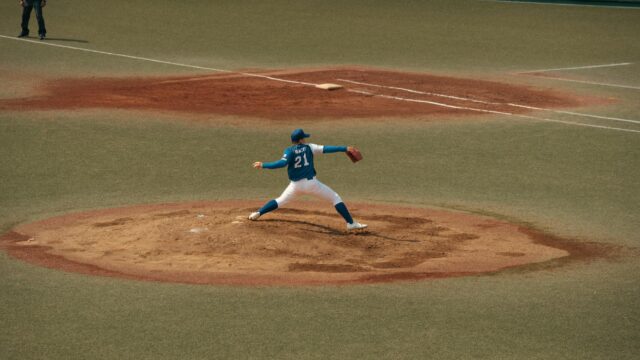
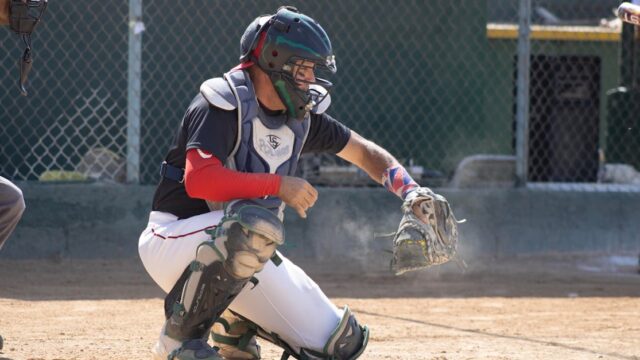
Baseball is a stop-and-go sport with long stretches of low intensity and explosive bursts that last two to seven seconds. A typical nine-inning game runs about three hours, but the actual time the ball is in play is closer to eighteen minutes. That sounds like an easy day until you remember a pitcher might throw 95 to 110 pitches at maximum effort, a catcher squats more than 250 times in a game, and a position player may sprint 90 feet at full tilt 10 to 15 times. Your fueling strategy has to support short-burst power without leaving you sluggish during the slow innings or, worse, crashing in the seventh.
Compare that to basketball, where the engine runs near-redline for 32 to 40 minutes, or distance running, which is almost pure aerobic. Baseball sits in a weird middle zone — phosphocreatine and anaerobic glycolysis fuel the explosive plays, while aerobic metabolism keeps you cognitively sharp for the long innings. The food choices that maximize one without tanking the other look very specific, and once you understand the science, the menu writes itself.
The Macronutrient Targets I Build Every Plan Around
I get asked for “the magic number” on protein every spring, so let me give you the framework I use with my players. Carbohydrates fuel the central nervous system and refill muscle glycogen — they are not the enemy, especially for a sport with as many cognitive demands as baseball. Protein supports the recovery work happening between games and lift sessions. Fat slows digestion and supports hormone production, but eating too much fat in the four hours before first pitch is a fast way to feel heavy in the box.
| Player Type | Carbs (g/kg bw) | Protein (g/kg bw) | Fat (% calories) | Daily Calories (170 lb player) |
|---|---|---|---|---|
| Position Player (in season) | 5 to 7 | 1.6 to 2.0 | 25 to 30% | 2,800 to 3,400 |
| Pitcher (start day) | 6 to 8 | 1.8 to 2.2 | 20 to 25% | 3,000 to 3,600 |
| Catcher (everyday) | 6 to 8 | 1.8 to 2.2 | 25 to 30% | 3,200 to 3,800 |
| Bulking Off-Season | 5 to 7 | 1.8 to 2.2 | 30 to 35% | 3,400 to 4,200 |
| Youth (12 to 14) | 5 to 7 | 1.4 to 1.7 | 30 to 35% | 2,200 to 2,800 |
Notice catchers and pitchers get bumped on protein and total calories. A catcher’s squat-stand-throw cycle and a starter’s high-velocity arm action both create more eccentric muscle damage than a corner outfielder’s day. Their recovery demands are real, and undereating is the silent reason a lot of guys feel like cement by August.
Pre-Game Nutrition: The 4-2-30 Rule
The single most useful thing I ever taught my teams is what I call the 4-2-30 rule. Four hours before first pitch, you eat the main meal. Two hours before, you eat a small carbohydrate snack with a little protein. Thirty minutes before, you take in something quick like a banana, a sports drink, or a small handful of dried fruit. That stair-step approach keeps blood sugar steady and prevents the hunger crash that usually hits in the third inning.
The four-hour meal should be roughly 60 percent carbs, 25 percent protein, and 15 percent fat — think grilled chicken with rice and steamed vegetables, a turkey sandwich on whole grain with fruit and pretzels, or pasta with lean ground beef and a side salad. Avoid heavy cream sauces, fried food, very spicy seasonings, and anything that has historically given you stomach trouble. Game day is not the day to try the new food truck.
The two-hour snack is where players make the biggest mistakes. They either skip it or they cram in a giant bowl of sugary cereal and hit a glycemic spike that crashes mid-game. The right move is a peanut butter and jelly on white bread, a small bowl of oatmeal with honey, a granola bar plus a piece of fruit, or yogurt with berries. About 200 to 300 calories with maybe 40 grams of carbs and 10 grams of protein. That is enough to top off glycogen without sitting heavy.
The 30-minute top-off is your fast-digesting carbs. A banana, applesauce pouch, sports drink, dates, gummy candies, or a small bag of pretzels all work. This is the trick big-league hitters use that high schoolers ignore — they keep something in the bat rack and grab a few bites between innings if they are slow to come up.
In-Game Fueling: What Actually Works in the Dugout
For a single game under three hours, you do not need a true mid-game meal — you need carb top-offs and steady fluid. A 30-gram carb dose every 60 to 90 minutes is the sweet spot. That looks like half a banana plus a few sips of sports drink, a handful of pretzels with water, two dates and a couple electrolyte chews, or about a third of a peanut butter and jelly. A research review in the Journal of the International Society of Sports Nutrition showed that 30 to 60 grams of carbs per hour during stop-start sport improved late-game reaction time by 8 to 12 percent — and reaction time is the difference between fouling off a high fastball and missing it.
For doubleheaders or tournament weekends with multiple games per day, you actually do need a real between-game meal. I aim for a window of 60 to 90 minutes between games and feed players turkey wraps, rice bowls, sushi, deli sandwiches, or rice cake stacks with banana and almond butter. The non-negotiable items: a fluid with electrolytes, fast-digesting carbs, and 20 to 30 grams of protein. Save the heavy plate of pulled pork and mac and cheese for after the last out of the day.
Hydration: The Number Most Players Get Wrong
I have weighed players before and after summer doubleheaders in the South. The average position player loses 2 to 4 pounds of fluid per game in 90-degree heat. A pitcher in a complete game can lose 5 to 7 pounds. Every 1 percent of body weight lost in fluid drops cognitive performance and reaction time about 2 percent. A 180-pound hitter who is down 3.6 pounds is operating at roughly 96 percent of his potential reaction time — and a 95 mph fastball does not care about the other 4 percent.
| Time Window | Fluid Target | What to Drink | Why |
|---|---|---|---|
| Morning of game | 16 to 20 oz with breakfast | Water, milk, juice | Top off overnight loss |
| 4 hours before first pitch | 16 to 20 oz | Water with food | Allows time for excretion of excess |
| 2 hours before | 8 to 12 oz | Water or low-calorie sports drink | Final pre-game top-off |
| 15 minutes before | 4 to 8 oz | Sports drink with sodium | Primes the gut for absorption |
| Each inning in dugout | 4 to 8 oz | Water and sports drink rotation | Replace ongoing sweat losses |
| Post-game | 16 to 24 oz per pound lost | Sports drink, milk, electrolyte mix | Full rehydration for next day |
The simplest hydration check I teach is the morning urine color test. If your first urine of the day is pale lemonade, you are hydrated. If it looks like apple juice or darker, you are starting the day in a hole and you need an extra 20 to 30 ounces of fluid before lunch. The second check is a body-weight scale: weigh in the morning before practice, weigh after, and drink 16 to 24 ounces for every pound lost. That replaces what your sweat actually took out, not what you guessed it took.
Electrolytes: When Water Alone Is Not Enough
Sodium is the electrolyte that matters most for baseball. The average sweat contains 600 to 1,400 mg of sodium per liter, and heavy sweaters who leave white salt rings on their hats can lose 1,800 mg or more per liter. A standard Gatorade bottle has about 270 mg of sodium per 20 ounces, which is fine for cool spring games but inadequate for July doubleheaders. For high-sweat-loss days, I have my players use higher-sodium electrolyte mixes — LMNT, Liquid IV, Skratch Hyper, or Gatorade Endurance. They run 500 to 1,000 mg of sodium per serving and they make a real difference.
Potassium, magnesium, and calcium matter too, but you generally get those from real food — bananas, dairy, leafy greens, and beans cover the bases. The cramping muscle that drops a player to the ground in the eighth inning is almost always a combination of low sodium, low total fluid, and accumulated muscle fatigue. Pickle juice and mustard packets work for cramps, by the way, but the mechanism is reflexive — they trigger nerve receptors in the throat — not because they magically deliver electrolytes fast.
Post-Game Recovery Nutrition: The 30-30-30 Window
The 30 minutes after the final out is the most efficient anabolic window of your day. Muscles are glycogen-depleted, blood flow is high, and insulin sensitivity is peaked. The recovery target I give my players is the 30-30-30: 30 grams of protein, 30 grams of carbs, and 30 ounces of fluid in the first 30 minutes after the final out. That is not a complete meal — that is the bridge to a complete meal an hour later.
The simplest options are chocolate milk (a bottle has about 8 grams of protein and 26 grams of carbs, so I keep two in the cooler), a turkey sandwich, a protein shake with a banana, Greek yogurt with granola and honey, or a recovery bar with a sports drink. Within two hours, you sit down for a real meal: lean protein, a good portion of carbs, vegetables, and fluid. This is the meal where you actually eat enough — undereating after games is the most common reason players feel beat up the next day.
Sample Game-Day Eating Plans by Schedule
I get this question every week, so here is a literal hour-by-hour plan for the three game-day formats most American baseball players face. Adjust quantities to your body size — these are calibrated for a 175-pound high school player.
| Time | Single 7 p.m. Game | Saturday Doubleheader (10 a.m. and 1 p.m.) | 3 p.m. Weekday Game After School |
|---|---|---|---|
| Breakfast | Oatmeal, eggs, fruit, milk | Pancakes, scrambled eggs, fruit, OJ (60 g carbs) | Eggs, toast, fruit, milk |
| Mid-Morning | Greek yogurt, granola | Banana with peanut butter (30 min before warm-up) | Bagel with cream cheese, apple |
| Lunch | Chicken, rice, vegetables (around 3 p.m.) | Between games: turkey wrap, pretzels, banana, sports drink | Eat at noon: pasta with chicken, side salad, fluid |
| Pre-Game Snack | 5 p.m.: PB&J, fruit, water | 9 a.m.: granola bar, banana, sports drink | 2 p.m.: granola bar, fruit, water |
| 30-Min Top-Off | Banana, sports drink | 9:30 a.m.: dates, gummies, sports drink | 2:30 p.m.: banana, sports drink |
| In-Game | Pretzels, electrolytes, water | Half PB&J between innings, fluid | Pretzels, electrolytes, water |
| Post-Game (30 min) | Chocolate milk, turkey sandwich | After Game 2: protein shake, fruit, water | Chocolate milk, banana, recovery bar |
| Dinner | Big plate: protein, starch, veg, fluid | Real meal: salmon, potatoes, vegetables, dessert | Real meal at 7 p.m.: steak, rice, broccoli |
Building a Hitter’s Body: Off-Season Bulking the Right Way
Every winter, I get the same question from young players: how do I add 15 pounds of muscle without getting slow? The answer is patient calorie surplus, hard lifting, and real food. A 300 to 500 calorie daily surplus delivers about a pound of weight gain per week, and the research is clear that you can only put on muscle at roughly 0.25 to 0.5 percent of body weight per week before the surplus starts spilling into pure fat. A 165-pound player who tries to bulk to 200 pounds in three months is going to add 25 pounds of body fat and lose his bat speed. Aim for 8 to 12 pounds of clean weight per off-season cycle and trust the math.
Protein is the lever that matters. Aim for 1 gram per pound of body weight, spread across four to five feedings of 30 to 50 grams each. That is the pattern shown in muscle protein synthesis research to maximize the anabolic response across the day. Your carb intake stays high to fuel the lifts and the throwing program, and fat fills in the rest. Pair this with the strength program in our baseball workout plan and the throwing volume from a structured arm care routine and the pounds will translate to bat speed and velocity instead of bloat.
Pitcher-Specific Fueling: The Day You Start
Pitchers have a fueling problem that position players do not: nerves often kill appetite on start day. I have watched 6’4″ starters refuse breakfast because their stomach was in knots, then run out of gas in the fourth inning. The fix is liquid calories and small, frequent feedings on start day. A breakfast smoothie with two scoops of whey, a banana, a half-cup of oats, peanut butter, milk, and honey delivers 700 calories in a glass and goes down easy when you do not feel like chewing.
The pre-game protocol I use for a 7 p.m. start: full meal at 3 p.m. (turkey, rice, vegetables), small smoothie at 5 p.m., 30-minute top-off with a sports drink and a banana at 6:30 p.m. Between innings during the game I want a sip of sports drink every half-inning and a few pretzels around the third or fourth inning. Pitching for two-plus hours in summer heat in long sleeves, you can lose enormous fluid — start ahead and stay ahead.
Supplements That Are Worth It (and the Ones That Are Not)
I am skeptical of supplements by default, but a small list has serious research behind it. Creatine monohydrate is at the top — 3 to 5 grams a day improves repeated-sprint power, lifts harder, and even shows cognitive benefits. It does not cause cramps, it does not damage kidneys in healthy athletes, and it is one of the most researched supplements in human history. Whey protein is the second easy win for players who struggle to hit their protein target with whole food. Caffeine, used wisely at 3 to 6 mg per kilogram of body weight 30 to 60 minutes before the first pitch, gives a small but real reaction-time boost.
Vitamin D is worth checking because deficiency is common in players who train indoors year-round, especially in northern climates. Magnesium and a basic multivitamin can fill gaps, but they are not performance-enhancing the way creatine is. Beyond that, I tell my players to spend their money on better food. The pre-workout with the flashy label, the testosterone booster, the BCAA tubs, the fat-burner — almost all of them are marketing dressed as science. As former Diamondbacks strength coach Nate Shaw put it on the Driveline Baseball podcast in 2024: “If a kid eats real food, sleeps eight hours, and takes creatine, he beats the kid with thirty bottles of supplements every time.”
Common Nutrition Errors I See Every Season
The first error is the gas station shutdown — players grabbing whatever is at the convenience store on the drive to the field. A 16-ounce blue Gatorade and a hot dog at 4 p.m. is a recipe for a bad 7 p.m. game. Pack a cooler the night before. The second error is fasting before games. Some players think they hit better on an empty stomach, but the data on cognitive performance under glycogen depletion is unambiguous: you are slower, weaker, and you swing at more pitches outside the zone. The third error is overeating right before a game and feeling bloated in the box.
The fourth error is over-relying on sugary sports drinks. A 32-ounce blue drink has 56 grams of sugar and only 460 mg of sodium — fine in small doses, but if you are drinking three of them you are over-sugared and under-salted. Mix in water and a higher-electrolyte option. The fifth error is post-game underfueling because the kid is exhausted and just wants to shower. The window is real. Drink a chocolate milk on the bus and have a real meal within two hours, even if you have to set an alarm.
The sixth, and the one that ruins the most tournament weekends, is the all-day energy-drink habit. Two giant cans before Game 1, a Gatorade in the dugout, another energy drink between games, then trouble sleeping that night, and a flat performance on Sunday. Caffeine works once you respect the dose; it punishes you when you abuse it.
Drills and Habits That Build Nutrition Discipline
Cooler-Pack Sunday. Once a week, on Sunday night or Monday morning, pack a small cooler with the coming week’s pre-game snacks: bagels, peanut butter packets, fruit, granola bars, electrolyte packets, a few backup PB&Js in zip bags. When the school day ends and you are rushing to a 4 p.m. bus, you are not making bad decisions because your fuel is already prepped.
The Sweat Test. Once a month, weigh in nude before practice and again right after, accounting for any fluid you drank. Calculate your hourly sweat rate. Most players are shocked at how much fluid they actually lose. That number sets your in-game drinking pace for the next month and removes guesswork.
The Plate Photo. For two weeks, take a quick phone photo of every meal. Do not change anything yet. At the end of two weeks, scroll back through. The pattern will jump out — too much fast food, no vegetables, missed breakfasts, weekend binges. Then make one fix at a time. This is the same diagnostic principle behind the mental game work we do with my players: you cannot fix what you do not measure.
The Hydration Wristband. A simple cheap silicone wristband, transferred from one wrist to the other every time you finish a 16-ounce bottle. Goal: four to six transfers per day for active players. It is dumb, it is visible, and it works because it makes hydration a behavior instead of a guess.
Eating for Youth Players: What Parents Need to Know
For 8U through 14U players, my message to parents is simple: do not overcomplicate this. Kids do not need protein powder, creatine, or pre-workout. They need three real meals, two or three snacks, and consistent water intake. The biggest mistake I see in youth baseball is the dugout snack culture — Goldfish, fruit snacks, candy, and soda for a six-year-old who plays one inning of right field. That is not fueling, that is conditioning a sweet tooth.
Better dugout snacks for youth: trail mix, fruit pouches, string cheese, pretzels, granola bars, bananas, sandwiches cut into quarters, and water with a splash of juice for flavor. For tournaments, a real packed lunch beats concession-stand cheeseburgers every time. The financial savings alone usually pay for the cooler.
Travel and Tournament Nutrition: Surviving the Weekend
A typical USSSA or PG tournament weekend can run four games in 36 hours, with travel, late nights, hotel breakfasts, and parking-lot food. The two most important things you can do are pack a cooler and choose hotels with breakfast that goes beyond a muffin and apple juice. Hampton Inn, Hilton Garden Inn, and Embassy Suites typically include scrambled eggs, oatmeal, fruit, and real protein in the morning. That breakfast is worth ten dollars more per night.
For lunch and dinner on the road, the chain options that work well for athletes include Chipotle, Panera, Jersey Mike’s, Subway, Cava, Sweetgreen, and even Chick-fil-A grilled options. Skip the fryer. Order grilled protein, rice or potatoes, and a vegetable. Drink water with the meal and save the soda for after the last game of the weekend. The teams that win on Sunday are the ones that ate right on Friday and Saturday — recovery is mostly about not digging holes in the first place.
Sleep Is the Sixth Macronutrient
I cannot write a nutrition piece without mentioning sleep, because sleep is the recovery multiplier that makes nutrition actually work. A 2024 study at Stanford on collegiate baseball players found that those who slept 9 hours per night for six weeks improved batting average by 11 points, on-base percentage by 17 points, and reaction time on a pitch-recognition test by 9 percent compared to their pre-extension baseline. Eight to nine hours is the target for in-season players. Caffeine after 2 p.m., heavy meals after 9 p.m., and screen exposure after 10 p.m. all wreck sleep quality.
Tart cherry juice an hour before bed has small but real evidence for sleep quality and inflammation reduction in athletes. Magnesium glycinate at 200 to 400 mg also helps some players. But the real fix is dark room, cool temperature, consistent bedtime, and a charging station for the phone outside the bedroom. The same discipline that builds a consistent pre-game warm-up builds a consistent sleep routine.
Frequently Asked Questions
Should I eat low-carb to lose weight during the season?
No. In-season is not the time to cut weight aggressively. Carbs fuel the central nervous system and your bat speed, your reaction time, and your decision-making at the plate all suffer when glycogen runs low. If you need to lean out, do it in October and November during a structured off-season block, not during games that count.
Is fasting before a workout or game ever a good idea?
For light morning lifts you can train fasted with no real penalty. For games or hard practices, no — the cognitive cost is real and well-documented. If you have stomach issues that make food before games hard, work with a sports dietitian to dial in liquid options like sports drinks, smoothies, or fruit pouches that go down easier than solid food.
How much protein is too much in one sitting?
The classic 20 to 30 grams per meal cap is outdated. Newer research from McMaster University in 2023 showed that 100 grams in one sitting still drove muscle protein synthesis upward over a 12-hour window, just more slowly than a spread-out approach. Practically speaking, 30 to 50 grams per meal four to five times per day is optimal — but if you eat 70 grams at dinner, it is not wasted.
Are energy drinks safe for high school players?
The American Academy of Pediatrics recommends against energy drinks for athletes under 18, citing cardiovascular and sleep concerns at the doses commonly consumed. A standard 16-ounce can has 160 to 300 mg of caffeine — too much for most teenage players, especially when stacked with pre-workout. If a player wants a legitimate caffeine boost, half a cup of coffee or a small caffeine pill in the 50 to 100 mg range is a much smarter choice.
Will creatine make me bloated or slow?
Creatine causes intracellular water retention, not the puffy bloat people associate with high-sodium meals. The 2 to 4 pound weight gain in the first month is muscle water and it is performance-positive, not negative. Players regularly run faster 60-yard times after starting creatine, not slower, because the strength gains outweigh the small added mass.
What should I eat the morning of a 9 a.m. game when I do not feel hungry?
Liquid calories. A small smoothie with milk, banana, oats, and peanut butter goes down when solid food will not. Even just a 12-ounce smoothie with 300 to 400 calories will outperform skipping breakfast. If smoothies do not work for you, try toast with peanut butter, a small bowl of cereal, or a granola bar plus juice. Something is always better than nothing for a morning game.
How do I know if my hydration is right during a game?
Three checks: pale-yellow urine in the first inning bathroom break, no dry mouth or sticky saliva by the fourth, and weighing in within one to two pounds of your start weight at the end. If you are dropping more than 2 percent of body weight in fluid, you are under-drinking and you will feel it in late innings.
Can I drink coffee before games?
Yes, in moderate doses. Three to six milligrams of caffeine per kilogram of body weight 30 to 60 minutes pre-game improves reaction time and reduces perceived exertion. For a 175-pound player, that is roughly 240 to 480 mg of caffeine, or two to three cups of coffee. Build the dose slowly across the season — your tolerance matters, and a doubled dose will more often cause jitters than help.
Do I need to count calories?
Most high school and college players do not need to count calories long term. Counting for two to four weeks is a useful one-time exercise to learn portion sizes and protein content of common foods. After that, eat the same general framework — protein at every meal, two fists of starch, one fist of vegetables, fruit at most meals, fluid throughout — and your weight and performance will tell you if you are over- or under-eating.
What is the single best post-game recovery food?
Chocolate milk. The 3:1 carb-to-protein ratio matches what sports nutrition research recommends for glycogen and muscle recovery, it has electrolytes, it is cold, palatable when appetite is suppressed, and it is cheap. Two bottles in the cooler after every game is a habit I recommend to every team I have ever coached. Pair it with a real meal within two hours and you have covered the recovery essentials.
Final Thoughts: The Boring Stuff Wins
I have watched players spend $400 on a new bat and zero seconds thinking about what they ate before a tournament. The math on that is upside down. The bat will give you maybe a percent or two on a well-struck ball — nutrition and hydration give you 5 to 10 percent on reaction time, decision-making, and late-game energy across an entire season. The players who eat a real breakfast, pack a cooler, drink water all day, hit their protein target, and sleep eight hours are the ones who get better in July when everyone else is wearing down.
None of this is glamorous. None of it ends up on Instagram. But if you stack good days of fueling on top of the work you are already putting in at the cage, in the bullpen, on the field, and in the weight room, you will quietly become the player your teammates cannot keep up with by August. Combine this nutrition framework with a structured conditioning plan, smart speed and agility work, and the long-term development principles in our guide on how to become a better baseball player and you have a complete development system.
Pack the cooler. Drink the water. Eat the real food. Sleep the eight hours. Then go play.