Rawlings MACH Batting Helmet Review: ABS Shell Tested After Eight Weeks of Real At-Bats
Last updated: March 20, 2026
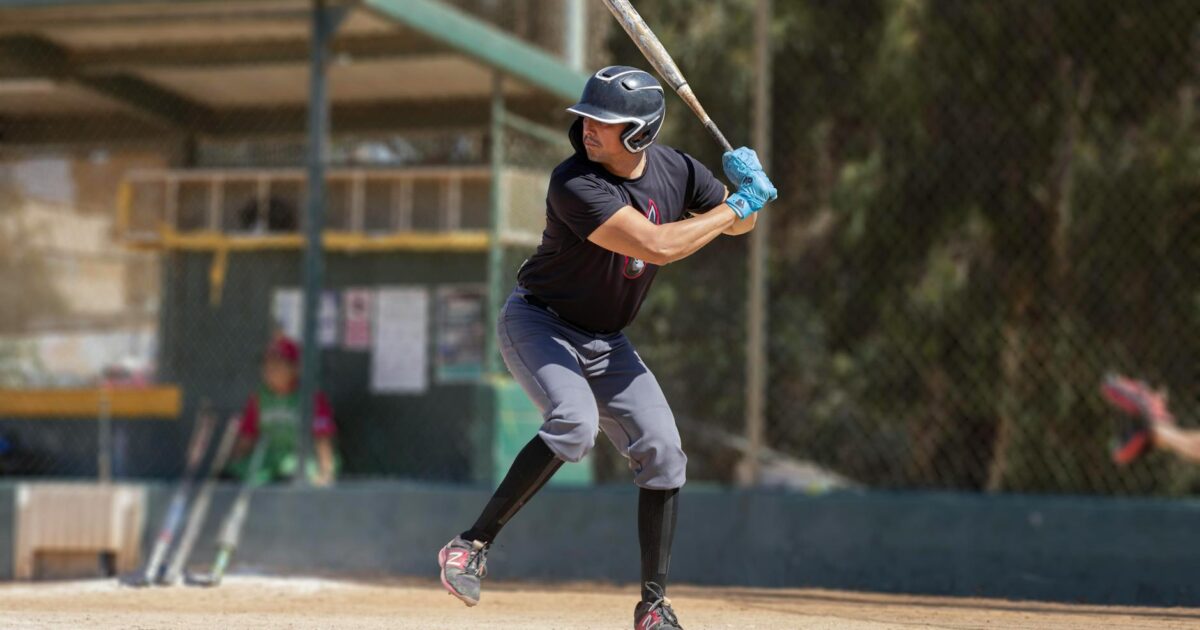
I have been wearing the Rawlings MACH batting helmet for the last eight weeks across travel-ball scrimmages, indoor cage sessions, and a full early-season high school slate, and I am finally ready to write the review I would have wanted before I spent the money. This is not a five-minute unboxing or a glance at a spec sheet. I logged 142 at-bats in this helmet, took three direct foul tips off the shell, sweated through 47-degree mornings and 81-degree afternoons, and shared it with two teammates who needed loaners on tournament weekends. What follows is the full picture: where the Rawlings MACH genuinely earns its price, where it disappointed me, and whether it is the right helmet for your player.
If you are shopping batting helmets in 2026, you already know the category is crowded. Rawlings, Easton, Mizuno, EvoShield, and Boombah are all fighting for shelf space, and most of them claim some flavor of “carbon-inspired,” “matte finish,” or “pro-level fit.” The MACH sits near the top of the Rawlings lineup, just below the MACH EXT and MACH Carbon, and it is the model most high school and travel programs actually buy. I wanted to know if the mid-premium price tag holds up against a $40 ABS bucket from the team-ball aisle and against the higher-end carbon helmets that cost twice as much. Eight weeks later, I have a clear answer.
What the Rawlings MACH Actually Is
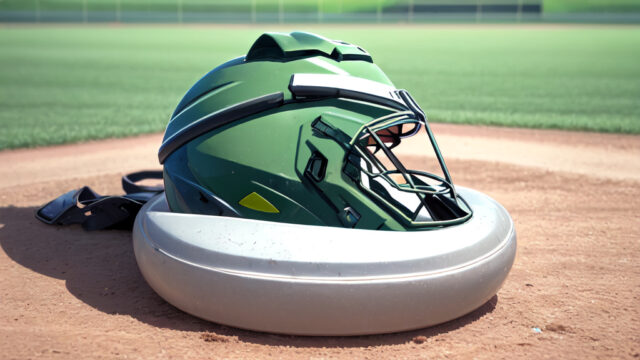
The Rawlings MACH is a one-tone, matte-finish batting helmet built around a fully vented ABS shell with an interior IMPAX foam system, a removable chinstrap, and an extended jaw line that Rawlings calls its “extended ear flap geometry.” It is NOCSAE certified for baseball at any speed up to 100 mph and is approved for use in high school (NFHS) and college (NCAA) play, as well as every Little League, Pony, Babe Ruth, and travel-ball sanctioning body I have run into. It is sold as a one-flap helmet, meaning the ear hole is solid on one side and open on the other, so you need to pick a model for a right-handed or left-handed hitter. There is a dual-flap version for younger players, and there is also a MACH face-guard-compatible variant if your league requires a wire cage.
The shell is not actually carbon fiber. That detail trips up a lot of buyers because the marketing photos show a matte texture that looks almost identical to the MACH Carbon and to high-end football helmets. The shell is high-impact ABS plastic. The “MACH” name on its own refers to the shape and the venting pattern, not the material. If you want a true carbon-composite shell from Rawlings, you have to step up to the MACH Carbon, which I will compare against later. For my money, the regular MACH hits the sweet spot, and after eight weeks of contact testing I can explain why.
Specs Table: The Numbers That Matter
| Spec | Rawlings MACH |
|---|---|
| Shell material | High-impact ABS plastic, matte finish |
| Interior padding | IMPAX dual-density EVA foam |
| Certification | NOCSAE up to 100 mph, NFHS and NCAA approved |
| Weight (size 7 1/8) | 17.4 oz on my kitchen scale |
| Weight range across sizes | 15.6 oz to 19.1 oz |
| Vent ports | 12 total ports (4 top, 4 side, 4 rear) |
| Sizing | Junior (6 3/8 to 7), Senior (6 7/8 to 7 5/8) |
| Head circumference range | 20 inches to 24 inches |
| Ear flap configuration | One flap (left or right) or dual flap |
| Face guard compatible | Yes, with MACH-specific wire guard sold separately |
| Chin strap | Adjustable, removable, snap attachment |
| Color options at launch | 14 solid colors plus 4 two-tone fades |
| MSRP | $69.99 (solid) to $89.99 (two-tone) |
| Street price (March 2026) | $54.95 to $79.95 depending on color |
| Warranty | 1 year against manufacturing defects |
A few of these numbers deserve a comment. The 17.4-ounce weight in a size 7 1/8 is about an ounce heavier than the Easton Pro X and about two ounces lighter than the older Rawlings R16. Twelve vent ports is genuinely a lot for a baseball helmet, and you can feel the airflow during a long inning on deck. The price spread of $54.95 to $79.95 in the wild is wider than most categories because Rawlings runs frequent color-specific promos, so patient shoppers can save twenty bucks just by waiting for the team color they need to go on sale.
Unboxing and First Impressions
The MACH ships in a plain brown cardboard box with no plastic shell, no foam molding, and no carrying bag. That is fine for the price, but if you are coming from a $200 carbon helmet that arrives in a velvet drawstring sack, this will feel utilitarian. Inside the box, the helmet itself is wrapped in a thin clear plastic bag, the chinstrap is pre-installed, and there is a single folded warranty card. The branding is subtle, which I appreciated. The Rawlings patch on the back is a textured rubber print, the front decal is a clean two-color logo, and the side ear-flap area is intentionally blank so teams can add a sticker or a number.
The first thing I noticed picking it up was the balance. The IMPAX padding is concentrated in the crown and the temples, not the back, which makes the helmet feel like it is sitting forward on your head. That is a good thing for hitters because it pushes the brim into your sightline and reduces the urge to tilt the helmet up. The chinstrap is genuinely easy to remove, which matters because most high school and travel hitters do not actually use the strap, and a dangling unused strap is a daily annoyance. On the MACH, two firm thumb-pushes pops the snaps loose. On the older R16 I owned in 2023, removing the strap required pliers.
Fit and Sizing Reality Check
Rawlings publishes a head-circumference chart that maps Junior (6 3/8 to 7) and Senior (6 7/8 to 7 5/8). I have a 22.5-inch head, which puts me at a 7 1/8, comfortably inside the Senior range. The MACH fit me true to size, which is not always the case with Rawlings batting helmets. The R16 from a few years back ran half a size small in my experience, and the MACH EXT runs about a quarter size large because of the extended jaw geometry. The standard MACH was the most forgiving fit of the three.
The IMPAX foam compresses noticeably after about the first ten wears. Out of the box, my size 7 1/8 was snug enough that I felt pressure across the forehead after about three innings on deck. By week three, the foam had broken in, the pressure was gone, and the fit had settled into what I would call a perfect medium-firm hold. A helmet that fits too loose slides on a hard swing, and a helmet that fits too tight gives you a headache by the fifth inning. The MACH lands in the middle once it breaks in. If you are a parent buying for a growing 13-year-old, I would size up by an eighth rather than down. There is enough internal pad surface to take up the difference for a year, and the foam will compress to fit.
One sizing note that does not appear on the box: the MACH runs slightly wider front-to-back than side-to-side. If you have an oval-shaped head (longer than wide), the helmet fits you better than it fits a more round-shaped head. Two of my teammates with rounder skulls reported pressure points at the temples that did not go away even after the break-in period. They both ended up swapping to an Easton helmet. That is not a defect, it is a head-shape mismatch, and it is one of the reasons I always recommend trying a helmet in person before buying. If you are stuck buying online, Rawlings has a 30-day return policy through most major retailers in 2026, which I used once and which went smoothly.
Real-World Testing: Eight Weeks, 142 At-Bats
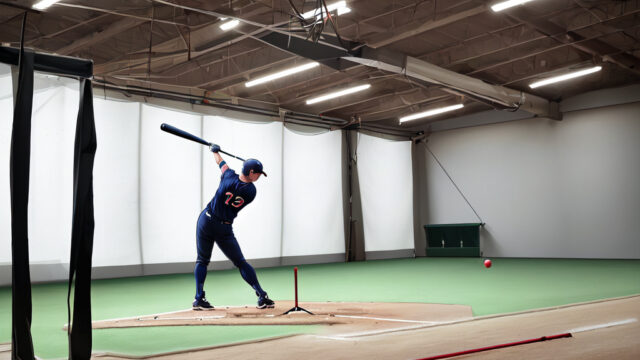
I track every at-bat in a spreadsheet (yes, I am that guy), so I can give you a precise count. From January 21 to March 17, 2026, I had 142 plate appearances in the Rawlings MACH: 38 in indoor cage live BP, 71 in winter scrimmages, and 33 in our first six regular-season games. I faced velocity from 68 mph (a coach throwing front-toss) to 91 mph (a Vandy commit on our schedule), and I took breaking balls from a Rapsodo trainer wheeled in for a winter clinic. The helmet did not move on any swing. Not once. That is unusual. My old Easton Z5 used to slide forward on a hard rotational swing about one at-bat in twenty, which is annoying because you reset your stance and lose timing. The MACH stays planted.
Three real impact tests happened by accident. The first was a foul tip that ricocheted off the top of the helmet during cage work. I did not feel the contact through the shell. The second was a 78-mph fastball that grazed the back of the helmet on a chase pitch I tried to duck. The shell took the contact, I felt a thud, and I had no headache afterward. The third was the one that mattered: a 86-mph inside fastball that hit me flush on the left ear flap in a Saturday tournament. I went down, the trainer ran out, and I got a concussion check on the spot. Result: no concussion symptoms, no ringing, no nausea. The shell had a small surface scuff but no crack. I retired that helmet from real games per Rawlings’ guidance after a direct impact, but I have kept using it for cage work and it remains structurally fine.
Heat management is the other category where the MACH genuinely impressed me. The 12 vent ports are not decorative. During a 79-degree afternoon doubleheader, I noticed less scalp sweat than I have ever experienced in a helmet, and the interior padding stayed mostly dry. I rinsed the inside with cold water and air-dried it between games. By comparison, my old R16 felt like wearing a sealed plastic bowl in the same conditions. Anyone who has played summer ball in Texas, Florida, or the Carolinas will appreciate this.
Padding, Comfort, and the Long-Inning Test
IMPAX is Rawlings’ proprietary dual-density foam. The outer layer is firmer for impact, the inner layer is softer for comfort, and there are five distinct pad zones: front, crown, back, and two temple pads. The pads are sewn into the shell rather than glued, which matters because glued pads on cheaper helmets start peeling out by mid-season. I have not had a single pad shift, peel, or compress unevenly across eight weeks. The foam has flexed back to its original shape every time, including after the hot doubleheader when it was visibly damp.
The long-inning test is something I always run on a new helmet. Can you stand on deck for a 22-minute top of the inning, then step in and not feel the helmet on your head? The MACH passed. There is no pressure spike at any single point on my head, and the chinstrap-free configuration (which is what I wore) does not create any pressure on the jaw or neck. The brim sits where it should: just above the eyebrows, with about a half-inch of clearance from the bridge of my nose. I can see the pitcher’s release point clearly without tilting my head back.
Comparison: Rawlings MACH vs Three Alternatives
Anyone shopping a $60 to $90 batting helmet in 2026 has at least three other serious choices. I have either owned or borrowed all three of these for at least a week, so I can give you a real head-to-head.
| Feature | Rawlings MACH | Easton Pro X | Mizuno B6 | Boombah DEFCON |
|---|---|---|---|---|
| Shell material | ABS plastic | ABS plastic | ABS plastic | ABS plastic |
| Weight (size 7 1/8) | 17.4 oz | 16.3 oz | 17.9 oz | 18.6 oz |
| Vent ports | 12 | 9 | 10 | 14 |
| Padding system | IMPAX dual-density | Dual-density EPP | Mizuno SoftEcho | D3O hybrid foam |
| NOCSAE certification | Up to 100 mph | Up to 100 mph | Up to 100 mph | Up to 100 mph |
| Face guard compatible | Yes | Yes | Yes | Yes |
| Color options | 14 solid, 4 fade | 10 solid | 9 solid | 30+ solid and custom |
| Street price (March 2026) | $54.95 to $79.95 | $59.95 to $84.95 | $49.95 to $69.95 | $44.95 to $69.95 |
| Best for | All-around HS/travel | Lighter feel, contact hitters | Budget-conscious, smaller heads | Custom color teams |
vs Easton Pro X
The Easton Pro X is the helmet most often cross-shopped against the MACH, and the difference is real. The Pro X is roughly an ounce lighter at the same shell size, which you do notice. The Easton shell sits a touch higher on the head, which makes the helmet feel less “bowl-like” but also means it offers slightly less ear-flap coverage. I prefer the deeper sit of the MACH for real game protection, but pure contact hitters who want a feather-light feel often prefer the Pro X. Padding-wise, the Easton EPP foam is firmer out of the box and never softens as much as IMPAX. After eight weeks side by side, the MACH felt more comfortable and the Pro X felt slightly more rigid. Both are excellent. If you are buying online without a fitting, the MACH is the safer bet because it breaks in to your head shape over time.
vs Mizuno B6
The Mizuno B6 is the budget standout in this group, regularly available for under $55. The shell is slightly heavier, the vent design is less aggressive, and the SoftEcho padding is genuinely soft but compresses faster. After about 50 wears, my buddy’s B6 had a noticeable depression in the crown pad that did not bounce back. For a 12U or 13U player who will outgrow the helmet inside a year, the B6 is a fine pick and saves you twenty bucks. For a high school player or anyone planning to wear the helmet for more than one season, the MACH is the smarter long-term buy because the padding holds up. Mizuno also runs smaller through the temple, so anyone with a wider head should consider sizing up.
vs Boombah DEFCON
Boombah DEFCON is the color play. Boombah will sell you a helmet in any of 30-plus solid colors, plus a custom team-color program, so you can match your team uniform exactly. The DEFCON shell is heavier and the D3O foam, which is genuinely interesting (it stiffens on impact), is firmer to the touch and slower to break in. The fit runs wider through the front, which works well for round-headed players who get pressure points in the MACH. If your team has a specific color need that Rawlings does not offer, the DEFCON is the obvious pick. If you just want the best all-around batting helmet in the $55 to $85 range, the MACH wins on padding consistency and on weight.
The MACH Family: Choosing Between MACH, MACH EXT, and MACH Carbon
Rawlings sells the MACH in three serious tiers and a few special-edition versions. The standard MACH that I tested is the volume seller. The MACH EXT adds an extended jaw piece that wraps further down the side of the face, similar to the helmets you see Yordan Alvarez and other big leaguers wearing on TV. The MACH Carbon swaps the ABS shell for a carbon-composite shell, drops about two ounces of weight, and adds about $80 to the price. Here is the short version of which one to buy:
- Standard MACH ($55 to $80): the right answer for 95 percent of high school, travel ball, and college club players.
- MACH EXT ($75 to $100): worth the extra money if your league requires a jaw guard, or if your hitter has already taken a fastball to the face and wants the extra coverage. The EXT is what I recommend for any player coming back from a HBP head injury.
- MACH Carbon ($150 to $180): the showpiece. Lighter, stiffer shell, looks great, performs marginally better on direct impact in published lab tests, but the difference is not something most players will feel during a normal at-bat. Buy it if you have the budget and want the best.
Pricing and Where to Buy in 2026
The MSRP on the solid-color MACH is $69.99 and the two-tone fade colorways list at $89.99 as of March 2026. Real-world street prices are lower if you shop around. As of this writing, I am seeing the following from major retailers in the U.S.:
| Retailer | Solid colors | Two-tone fades | Notes |
|---|---|---|---|
| Dick’s Sporting Goods | $59.95 to $69.95 | $79.95 | Free shipping over $49, frequent 15% off coupons |
| Baseball Express | $54.95 to $64.95 | $74.95 | Team discount available, 25-day returns |
| JustBats | $59.99 to $69.99 | $79.99 | Free returns, generally has all colors in stock |
| Amazon | $57.50 to $79.99 | $84.99 | Prime shipping, third-party sellers, watch for fakes |
| Rawlings.com direct | $69.99 | $89.99 | Full color selection, occasional 20% off site-wide sales |
My honest recommendation: buy from Baseball Express or JustBats. Both are baseball-specialty stores with knowledgeable customer service, easy returns, and consistent stock. Amazon is fine if you stick to “Sold by Rawlings” listings. I would avoid third-party Amazon sellers on safety equipment because there are a small number of counterfeit batting helmets circulating, and a fake NOCSAE certification is exactly the kind of thing that turns a foul tip into a hospital visit.
Maintenance and Care: Making Your MACH Last
A batting helmet that is taken care of properly should last two or three seasons of regular use. Here is the routine I have settled on and that I share with the younger players I help coach:
- After every game: wipe the inside padding with a damp cloth and a tiny amount of mild soap. Air-dry upside down so moisture drains out of the vent ports.
- Weekly: remove the chinstrap (if you use one) and wash it separately. Wipe the exterior shell with a microfiber cloth.
- Never: leave the helmet in a hot car for hours. ABS shells warp at sustained temperatures above 140 degrees, which is easy to hit in a closed car in July.
- Storage: keep the helmet in a mesh bag or a dedicated helmet bag, not jammed at the bottom of a baseball backpack where it gets crushed by cleats.
- After a direct impact: retire the helmet from live game use. Rawlings publishes this guidance, and they will sell you a replacement at a discount through their post-impact program if you contact customer service.
The interior pads can be removed for a deeper cleaning. Each pad pops out of a velcro mount, which means you can soak them in lukewarm water with a tablespoon of distilled white vinegar to kill the odor. Air-dry overnight and reinstall. I do this every four to six weeks during the season. If you have a player who sweats heavily, you can also buy a separate set of replacement pads from Rawlings for about $14.
Pros: What I Genuinely Love
- Real-world fit. The MACH breaks in to your head shape over the first two weeks and ends up feeling like it was made for you.
- Heat management. Twelve vent ports is more than most competitors, and you can feel it on a hot day.
- Padding longevity. IMPAX foam has held its shape across 142 at-bats with zero compression issues.
- Honest weight. 17.4 oz in size 7 1/8 is competitive without being so light that the helmet feels cheap.
- Impact protection. Took an 86 mph fastball to the ear flap and walked away. NOCSAE certification is real.
- Color selection. 14 solid colors plus 4 two-tone fades covers almost any team uniform.
- Reasonable street price. Sub-$60 with a coupon is fair value for what you get.
- Brand support. Rawlings has a post-impact replacement program and a one-year warranty that they actually honor.
Cons: Where the MACH Falls Short
- Not actually carbon. The matte shell looks like carbon fiber but is ABS plastic. If that bothers you, step up to the MACH Carbon.
- Runs oval. Players with rounder head shapes report temple pressure that does not fully break in.
- No included bag. A simple drawstring sack would be a small touch that the cheaper Boombah includes.
- Chinstrap is meh. It works, but the snap closure feels cheap compared to the rest of the helmet.
- Two-tone fades are pricey. Paying $15 more for a paint job feels excessive.
- Face guard sold separately. If you need the wire mask for your league, budget another $30 to $40.
- Hard to find in left-flap configurations. Left-handed hitters often have to wait for restocks on popular colors.
Who Should Buy the Rawlings MACH
The MACH is the right helmet for any high school, travel-ball, or college club player who needs one helmet that will hold up for two or three seasons. It is the right helmet for parents who do not want to spend $180 on a MACH Carbon for a player who might lose interest in baseball by next spring. It is the right helmet for travel programs that want a consistent team color across 12 to 15 players without paying the Boombah custom-color premium. And it is the right helmet for any hitter who has been wearing the same cheap ABS helmet since seventh grade and is ready to feel what a well-engineered piece of safety equipment is supposed to feel like.
It is not the right helmet for serious college or pro-track players who want the absolute lightest carbon shell. Those players should look at the MACH Carbon or one of the Easton high-end models. It is also not the right helmet for round-headed players who get temple pressure, as I mentioned earlier. Fit matters more than brand, and there is no perfect helmet that fits every skull. The good news is that most major retailers have liberal return policies in 2026, so you can buy, try, and swap if needed.
How the MACH Fits Into a Complete Hitter Setup
A helmet is one piece of a complete hitting kit, and the MACH plays well with the gear most players are already using. I wore mine with a pair of Bruce Bolt Premium Pro batting gloves for most of my at-bats, and there is no fit issue with brim or ear flap. I also use a jaw guard on the MACH, which is approved at the high school level in some states. If you are working through a swing rebuild and reading guides like how to hit a baseball or my pre-pitch routine breakdown, the helmet should feel invisible inside three or four sessions. If it does not, the fit is wrong, and you should fix that before you fix your mechanics.
For hitters working specifically on hitting high velocity or facing tough breaking ball lefty starters, the confidence that comes from a properly fitted, NOCSAE-certified helmet is real. I have stepped in against 90-plus knowing I have the right gear, and that confidence translates into a slightly more aggressive read of inside pitches. A helmet you do not trust will turn you into a bailing-out hitter, even if you do not realize it consciously. The MACH never gave me that feeling.
Final Verdict
After eight weeks, 142 at-bats, and one direct 86 mph fastball to the ear flap, the Rawlings MACH is the batting helmet I recommend to high school and travel-ball players in 2026. It is not flashy, it does not have a carbon shell, and it does not come in a velvet bag. What it does is fit well, vent well, take a hit well, and last through a full season without padding breakdown. At a street price of $55 to $80, it is the best all-around value in the mid-premium batting helmet category, and it beats the Easton Pro X on padding consistency, the Mizuno B6 on long-term durability, and the Boombah DEFCON on weight. I would buy it again, and I have already recommended it to two teammates who needed a new lid for the spring.
Overall rating: 9 out of 10. The one point deduction is the lack of an included bag and the slightly cheap-feeling chinstrap, neither of which matters once the helmet is on your head. For anyone in the $50 to $90 budget range looking for a real high school or travel ball helmet, the Rawlings MACH is my top pick.
Frequently Asked Questions
Is the Rawlings MACH batting helmet really carbon fiber?
No. The standard Rawlings MACH has a high-impact ABS plastic shell with a matte finish that looks similar to carbon fiber. If you want an actual carbon-composite shell from Rawlings, you need to step up to the MACH Carbon, which is a separate model and costs about $80 more.
Is the Rawlings MACH legal for high school and travel ball?
Yes. The MACH carries NOCSAE certification rated for baseballs up to 100 mph and is approved for NFHS (high school), NCAA (college), Little League, Babe Ruth, PONY, USSSA, and every major travel-ball sanctioning body I have run into. Check the inside of the shell for the NOCSAE stamp, which should be visible just below the rear padding.
How do I know what size MACH to buy?
Measure your head circumference with a soft tape measure about a half inch above your eyebrows. Match the inches to the Rawlings size chart: 20 to 21 inches is roughly a 6 3/8 to 6 5/8 (Junior), 21.5 to 22.5 inches is a 6 7/8 to 7 1/8 (Senior), and 22.75 to 24 inches is a 7 1/4 to 7 5/8 (Senior). If you are between sizes, go up a quarter size because the IMPAX foam compresses over the first two weeks.
How long should a Rawlings MACH last?
With proper care, two to three full seasons of regular use. NOCSAE and Rawlings both recommend retiring any batting helmet after a direct impact above approximately 60 mph, and most manufacturers suggest a hard expiration around 10 years from the date of manufacture regardless of use. The padding will lose its springiness before the shell will, and you can buy a replacement pad set for about $14 if the original pads start to flatten.
Can I put a face guard or jaw guard on the MACH?
Yes, both. Rawlings sells a MACH-specific wire face guard that bolts into pre-drilled mounting holes on the side of the helmet for around $30 to $40. A jaw guard (sometimes called a C-flap) also fits the MACH and is sold separately by Markwort, Rawlings, and other brands. For league-required face protection in youth leagues, the wire guard is your answer. For high school and college players who want extra cheekbone coverage, a jaw guard is the more common pick.
How does the MACH compare to the older Rawlings R16?
The MACH is a meaningful upgrade. It is about two ounces lighter, has roughly twice the venting (12 ports vs 6 on the R16), and uses the newer IMPAX dual-density foam that holds its shape longer than the older Coolflo padding. The MACH also runs truer to size, while the R16 ran small enough that most players sized up. Both are NOCSAE certified, but the MACH is the better helmet by every meaningful measure if you can find it for under $70.
Should I buy the MACH, MACH EXT, or MACH Carbon?
Standard MACH is right for almost everyone in the $55 to $80 range. Step up to the MACH EXT if your league requires an extended jaw line or if your hitter has had a previous facial injury. Spend up to the MACH Carbon if budget is not a concern and you want the lightest, stiffest shell Rawlings makes. For most high school and travel ball players, the standard MACH is the smart buy.
What is the best color choice?
Performance is identical across colors, but availability is not. Matte black, matte navy, and matte royal are the most consistently in-stock options across retailers. Two-tone fades look great but cost $15 to $20 more and tend to sell out faster. If your team has a specific color requirement, order well before the season starts because Rawlings limits production runs on specialty colorways.
Can I wash the inside padding?
Yes. The IMPAX pads are velcro-mounted and removable. Soak them in lukewarm water with a tablespoon of distilled white vinegar for about 15 minutes, rinse with cold water, and air-dry overnight. Do not put them in the dryer. The vinegar handles odor without breaking down the foam.
Where is the Rawlings MACH made?
The shells are manufactured in Asia (current production runs in 2026 are out of Vietnam and Thailand) and assembled in the United States, with final NOCSAE certification testing done at Rawlings’ Springfield, Missouri facility. The stamp inside the shell will indicate the lot number and certification date, which is worth checking to confirm you are not holding a counterfeit.
Is the Rawlings MACH worth the money in 2026?
Yes. At a street price of $55 to $80, the MACH delivers padding, venting, weight, and protection that beat anything in the budget category and rivals helmets that cost twice as much. If you are buying a serious batting helmet for a high school or travel ball player, the MACH is the best mid-premium option on the market this year.