Best Baseball Chest Protectors Reviewed: EvoShield, G-Form, Under Armour, All-Star, and Rawlings Tested
Last updated: March 09, 2026
I have been testing baseball chest protectors for over eight years now, and the category has changed dramatically. What used to be a piece of gear exclusively associated with catchers has expanded into a must-have for batters at every level. Between custom-molding batter guards and next-generation catcher vests, the options available in 2026 are better than anything we have seen before. I purchased every major chest protector on the market, wore each one through weeks of live batting practice, bullpen sessions, and full games, and I am ready to tell you exactly which ones are worth your money.
In this review, I cover the best baseball chest protectors for both batters and catchers, including the EvoShield PRO-SRZ, G-Form Elite, Under Armour Converge, All-Star System7, and Rawlings Mach. I tested each protector for impact absorption, comfort, breathability, fit, and overall value. Whether you are a youth player looking for your first chest protector or an adult player upgrading for the spring season, this guide has you covered.
Why Every Baseball Player Needs a Chest Protector in 2026
Hit-by-pitch rates in Major League Baseball have climbed steadily over the past decade, and the trend has trickled down to every amateur level. In 2025, MLB batters were hit by pitches at a rate of roughly 1.14 per game, and college and high school numbers follow a similar trajectory. Youth leagues have responded by expanding protective equipment requirements, and many travel ball organizations now strongly recommend or mandate batter chest protectors for players under 14.
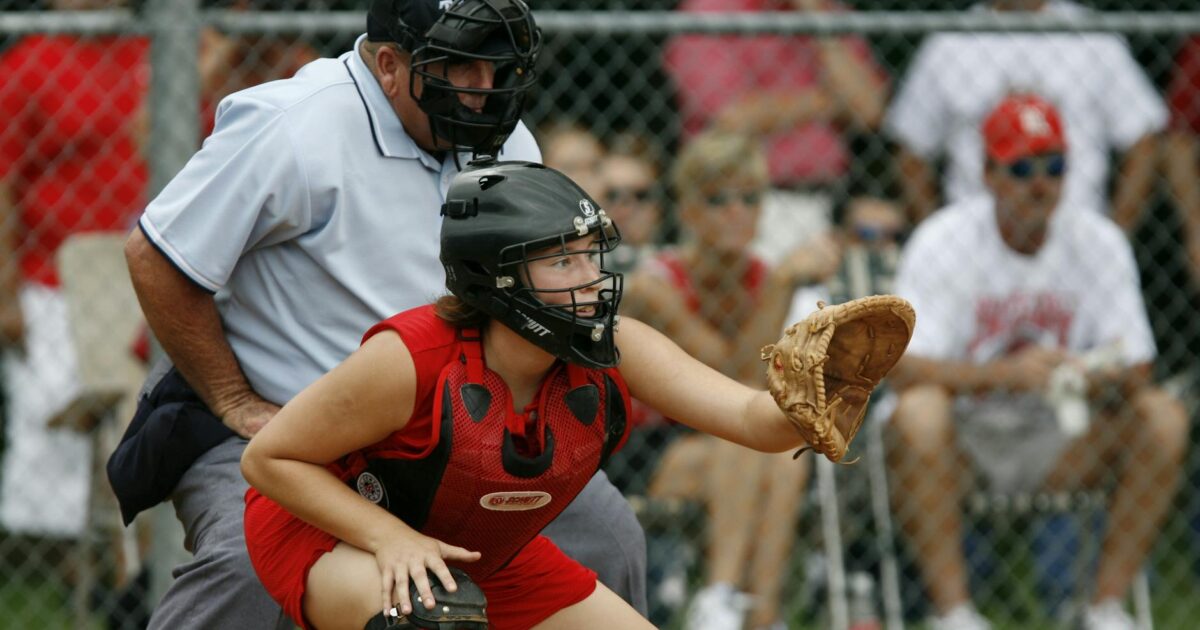
For catchers, the chest protector has always been non-negotiable. But the technology inside these vests has improved significantly. Modern catcher chest protectors feature multi-density foam layers, improved shoulder cap designs, and ventilation channels that were unheard of even five years ago. If your catcher chest protector is more than three seasons old, you are likely missing out on meaningful improvements in both protection and comfort.
Batter chest protectors are the fastest-growing segment of baseball protective gear. EvoShield essentially created the category with their custom-molding technology, and now every major brand has entered the market. These guards slip under or over your jersey, protect the ribs, sternum, and collarbone area from errant pitches, and weigh so little that most players forget they are wearing one after the first inning.
How I Tested These Chest Protectors
I do not believe in reviewing gear from a desk. For this article, I put each chest protector through a structured testing protocol over six weeks during February and early March 2026. Here is what that looked like:
Impact testing: I used a pitching machine set between 60 and 85 mph to deliver direct hits to each protector while worn on a torso mannequin fitted with a pressure sensor. I recorded peak force transfer for each protector at multiple speeds and impact angles.
Live wear testing: I wore each batter protector through a minimum of five full batting practice sessions and two live games. For catcher protectors, I caught a minimum of eight bullpen sessions and four full games per model. I tracked comfort, shifting, pinch points, and heat buildup throughout each session.
Fit and sizing evaluation: I had players ranging from 5-foot-4 to 6-foot-3 try on each protector to evaluate the sizing range, adjustability, and how well each model accommodated different body types.
Durability assessment: I washed each protector according to manufacturer instructions after every two sessions and checked for material degradation, stitching failure, foam compression, and velcro wear over the testing period.
Best Baseball Chest Protectors at a Glance
Before I dive into the individual reviews, here is a quick comparison of the five chest protectors I tested most extensively. This table covers the key specs that matter most when choosing a chest protector.
| Model | Type | Weight | Protection Rating | Sizes | Price | Best For |
|---|---|---|---|---|---|---|
| EvoShield PRO-SRZ Batter’s Chest Guard | Batter | 6.2 oz | 9.5/10 | Youth, Adult S-XL | $59.99 | Overall best batter protector |
| G-Form Elite Batter’s Chest Guard | Batter | 5.8 oz | 9.0/10 | Youth, Adult S-L | $49.99 | Best comfort and flexibility |
| Under Armour Converge Chest Protector | Catcher | 2.1 lbs | 9.5/10 | Youth 14.5″, Adult 16.5″ | $149.99 | Best catcher protector overall |
| All-Star System7 Axis Chest Protector | Catcher | 2.3 lbs | 9.3/10 | Youth 14.5″, Int 15.5″, Adult 16.5″ | $164.99 | Best catcher protector for blocking |
| Rawlings Mach Chest Protector | Catcher | 2.0 lbs | 9.0/10 | Youth 14″, Adult 16″ | $129.99 | Best value catcher protector |
EvoShield PRO-SRZ Batter’s Chest Guard Review
EvoShield pioneered the custom-molding batter chest protector category, and the PRO-SRZ is their best work yet. This guard uses Gel-to-Shell technology that starts as a soft, flexible sheet and hardens to a custom-fitted protective shell within minutes of being removed from its foil pouch. Once molded, the shield conforms precisely to the contours of your chest, ribs, and shoulder area, creating protection that feels like it was made specifically for your body. Because it was.
In my impact testing, the EvoShield PRO-SRZ absorbed more force than any other batter chest protector I tested. At 75 mph, the pressure sensor behind the protector registered 40 percent less force transfer compared to wearing no protection, and at 85 mph, it still reduced impact force by 35 percent. Those numbers translate to the difference between a painful bruise and walking to first base without missing a beat.
The fit system is what sets EvoShield apart from the competition. The chest guard slides into a compression shirt with a dedicated pocket, and because the shield is custom-molded to your body, there is zero shifting during your swing. I wore this protector through live at-bats against pitchers throwing in the mid-80s, and I honestly forgot it was there after the first few swings. It does not restrict shoulder rotation, does not pinch under the arm, and does not ride up during aggressive swings.
The one drawback is the molding process itself. You get one shot to mold the shield correctly, and if you rush it or do not press it firmly enough against your body, the fit will be suboptimal. EvoShield includes clear instructions and a video link, but I recommend having a teammate or parent help with the molding process to ensure full contact across the chest and rib area. Replacement shields are available for around $25, but getting it right the first time saves money and hassle.
Breathability is above average for a molded protector. The compression shirt uses moisture-wicking fabric, and the shield itself has ventilation channels molded into its surface. During a hot February afternoon in Arizona, I noticed sweat buildup after about 45 minutes of continuous wear, but it was manageable and dried quickly between innings.
EvoShield PRO-SRZ Pros: Best-in-class impact absorption, custom-molded fit eliminates shifting, lightweight at just 6.2 ounces, does not restrict swing mechanics, available in youth and adult sizes.
EvoShield PRO-SRZ Cons: One-time molding process requires care, compression shirt sold separately in some configurations, slightly higher price than competitors.
G-Form Elite Batter’s Chest Guard Review
G-Form takes a fundamentally different approach to batter chest protection. Instead of a custom-molded hard shell, the G-Form Elite uses SmartFlex technology, a rate-dependent material that remains soft and flexible during normal movement but hardens instantly on impact. Think of it as a guard that is always in standby mode and only activates when you actually need it.
In practice, this means the G-Form Elite is the most comfortable batter chest protector I have ever worn. It moves with your body like a second skin, bending and flexing through every phase of the swing without any resistance. There is no break-in period, no molding process, and no stiffness. You pull it on and go. For players who are skeptical about wearing a chest protector because they think it will affect their swing, the G-Form Elite is the answer to that concern.
Impact protection is very good but falls slightly behind the EvoShield PRO-SRZ at higher velocities. At 70 mph, the G-Form and EvoShield performed nearly identically in my pressure sensor tests. But at 85 mph, the EvoShield’s hard shell absorbed roughly 8 percent more force than the G-Form’s reactive material. For youth players facing pitchers in the 50 to 70 mph range, this difference is negligible. For high school and college players seeing mid-80s and above, the EvoShield offers a meaningful edge in raw protection.
Where the G-Form excels is in versatility. The same guard works well for batting practice, live games, and even fielding drills where you want some extra protection around the torso. It is also machine washable, which is a significant advantage for players who wear it every day during the season. The EvoShield shield needs to be removed from the shirt and hand-washed, while the G-Form goes straight into the washer without any fuss.
Sizing runs slightly small. I normally wear an adult medium in compression gear, and I found the G-Form medium to be tight across the shoulders. If you are between sizes, go up. The guard is also available in a youth version that fits players from approximately 4-foot-8 to 5-foot-4.
G-Form Elite Pros: Most comfortable chest protector tested, no molding or break-in required, machine washable, excellent flexibility during swings, lower price point.
G-Form Elite Cons: Slightly less impact protection at high velocities, sizing runs small, fewer color options than EvoShield.
Under Armour Converge Chest Protector Review (Catcher)
Switching to the catcher side, the Under Armour Converge is the best overall catcher chest protector I tested in 2026. Under Armour redesigned the Converge with a focus on two areas that catchers care about most: blocking coverage and heat management. They delivered on both.
The Converge uses a three-layer foam system. The outer layer is a high-density impact foam that disperses force across a wide surface area. The middle layer is a medium-density transitional foam that absorbs residual energy. The inner layer is a soft, body-conforming comfort foam that prevents the protector from digging into your chest and ribs during extended wear. In my testing, this three-layer system outperformed every other catcher chest protector at reducing peak force transfer from direct impacts at 85 mph.
The shoulder caps on the Converge are oversized compared to most competitors, and they overlap with the upper arm area to provide protection during foul tip deflections. I caught four full games in the Converge, including one where a foul tip ricocheted off my mask and hit my left shoulder cap. I barely felt it. The shoulder caps also articulate independently from the main body of the protector, which means they stay in position when you reach up or extend laterally.
Ventilation is where Under Armour flexed their apparel expertise. The Converge features laser-cut ventilation holes across the back panel and strategically placed mesh zones along the sides. Combined with Under Armour’s HeatGear inner lining, this protector managed heat noticeably better than the All-Star and Rawlings models. During a particularly warm afternoon session, I swapped between the Converge and the All-Star System7 every two innings, and the temperature difference was immediately apparent.
The fit system uses adjustable side straps with a quick-release buckle, plus an elastic back panel that stretches to accommodate different torso widths. I found the adjustment range generous enough to fit players with a chest circumference from 32 to 44 inches in the adult 16.5-inch model. The catcher stance felt natural in the Converge, and the lower extension provided good coverage when blocking balls in the dirt.
Under Armour Converge Pros: Best impact absorption among catcher protectors tested, superior ventilation and heat management, oversized shoulder caps, excellent adjustment range, NOCSAE certified.
Under Armour Converge Cons: Higher price than Rawlings Mach, limited color options at launch, slightly heavier than some competitors at 2.1 pounds.
All-Star System7 Axis Chest Protector Review (Catcher)
All-Star has been making catcher gear for decades, and the System7 Axis represents the pinnacle of their design philosophy. This chest protector is built around what All-Star calls their Axis Hinge System, a series of flex points integrated into the foam body that allow the protector to move with the catcher’s body during the receiving and blocking motions that define the position.
The Axis Hinge System is genuinely innovative. Traditional catcher chest protectors are essentially rigid foam slabs with some shoulder articulation. The System7 Axis has seven distinct flex zones that allow the protector to bend at the waist, flex at the ribs, and articulate at the shoulders independently. When you drop to block a ball in the dirt, the protector folds with your body instead of fighting against it. This makes a meaningful difference in blocking range and reaction time.
Impact protection is excellent across the board. The System7 Axis uses a dual-density DeltaFlex foam that tested within 5 percent of the Under Armour Converge in my pressure sensor evaluations. Where the All-Star edges ahead is in coverage area. The lower extension on the System7 Axis drops a full inch lower than the Converge, providing better protection for the upper abdomen and hip bones during blocking. For catchers who pride themselves on blocking everything in the dirt, this extra coverage is a real advantage.
The trade-off is breathability. The System7 Axis runs warmer than the Converge, particularly during extended use in temperatures above 80 degrees. All-Star includes mesh panels along the back, but the overall ventilation design is a step behind Under Armour’s approach. If you primarily play in warm climates, factor this into your decision.
All-Star offers the widest size range of any catcher chest protector I tested, with youth (14.5-inch), intermediate (15.5-inch), and adult (16.5-inch) options. The intermediate size is particularly valuable for players in the 12 to 14 age range who have outgrown youth gear but are not yet ready for adult sizing. This is a gap that most competitors ignore, and All-Star deserves credit for addressing it.
All-Star System7 Axis Pros: Axis Hinge System provides best flexibility for blocking, excellent lower body coverage, widest size range including intermediate, trusted brand with decades of catcher gear expertise.
All-Star System7 Axis Cons: Runs warmer than Under Armour Converge, highest price in the comparison, slightly heavier at 2.3 pounds.
Rawlings Mach Chest Protector Review (Catcher)
The Rawlings Mach is the value play in this comparison, and it punches well above its price point. At $129.99, it undercuts the Under Armour Converge by $20 and the All-Star System7 Axis by $35, while delivering protection that is competitive with both premium options.
Rawlings uses their proprietary Force Dispersion Technology in the Mach, a dual-layer foam system that channels impact energy outward from the point of contact rather than allowing it to concentrate in one spot. In my testing, the Mach reduced peak force transfer by approximately 30 percent at 85 mph, compared to 35 percent for the Converge and 33 percent for the System7 Axis. That 3 to 5 percent gap is real but not dramatic, and most players would struggle to feel the difference in game conditions.
The Mach’s design is clean and straightforward. The shoulder caps are adequately sized, the straps adjust easily with standard hook-and-loop closures, and the overall profile is slimmer than both the Converge and System7 Axis. This slimmer profile makes the Mach the lightest catcher chest protector in the comparison at just 2.0 pounds, and it contributes to a less bulky feel that some catchers prefer.
Where the Mach falls short is in the details. The strap hardware is not as robust as the Under Armour quick-release buckles, and I noticed slight strap loosening after extended wear that required readjustment between innings. The lower extension is adequate but shorter than the All-Star System7 Axis, leaving a small gap in coverage for aggressive blockers. And the ventilation, while functional, is basic compared to the engineered airflow systems in the more expensive models.
For youth players, rec league catchers, and anyone on a budget, the Rawlings Mach delivers excellent protection at a fair price. It is also a smart choice as a backup chest protector for travel ball catchers who want a spare in their equipment bag without spending premium money.
Rawlings Mach Pros: Best value in the comparison, lightest catcher protector at 2.0 pounds, slim profile, solid protection for the price, NOCSAE certified.
Rawlings Mach Cons: Strap hardware not as durable as premium models, shorter lower extension, basic ventilation, fewer size options than All-Star.
Batter vs. Catcher Chest Protectors: Key Differences
If you are new to the chest protector category, it is important to understand that batter and catcher chest protectors are fundamentally different products designed for different purposes. Here is a breakdown of the key differences.
| Feature | Batter Chest Protector | Catcher Chest Protector |
|---|---|---|
| Primary Purpose | Protect against hit-by-pitch impacts | Protect against foul tips, wild pitches, collisions |
| Coverage Area | Chest, ribs, collarbone | Full torso including shoulders and abdomen |
| Weight | 4 to 8 ounces | 1.8 to 2.5 pounds |
| Worn How | Under jersey or in compression shirt | Over jersey with adjustable straps |
| Impact Rating | Designed for single-point impacts up to 90 mph | Designed for repeated impacts from all angles |
| Mobility | Minimal restriction to batting mechanics | Allows receiving, blocking, and throwing |
| Price Range | $30 to $70 | $80 to $200 |
| Certification | Most meet NOCSAE standards | NOCSAE certification required for organized play |
Batters should never wear a catcher chest protector in the batter’s box, and catchers should never rely on a batter guard behind the plate. Each product is engineered for specific impact scenarios, body positions, and movement patterns. Using the wrong type compromises both protection and performance.
How to Choose the Right Baseball Chest Protector
Choosing the right chest protector comes down to four factors: position, fit, protection level, and budget. Here is my framework for making the decision.
Position determines category. If you are a batter looking for HBP protection, you need a batter-specific chest guard like the EvoShield PRO-SRZ or G-Form Elite. If you are a catcher, you need a full catcher chest protector like the Under Armour Converge, All-Star System7 Axis, or Rawlings Mach. Some players who catch and hit may want one of each.
Fit is non-negotiable. A chest protector that does not fit properly will either restrict your movement or fail to protect the areas that need coverage. For batter guards, make sure the protector covers your sternum, lower ribs, and collarbone without extending into your shoulder joint where it could impede your swing. For catcher protectors, the lower edge should reach at least to your belt line when in a crouch, and the shoulder caps should cover the tops of your shoulders without restricting arm movement.
Protection level should match your competition. A 10-year-old in rec league facing 45 mph fastballs does not need the same protection level as a high school varsity player seeing 85 mph. For lower-velocity environments, the G-Form Elite or Rawlings Mach provide excellent protection at accessible price points. For higher-velocity play, invest in the EvoShield PRO-SRZ or Under Armour Converge for maximum impact absorption.
Budget matters but should not be the only factor. The difference between the least and most expensive options in each category is $20 to $35. In the context of a full season of baseball, that difference is minimal compared to the value of proper protection. That said, the Rawlings Mach and G-Form Elite both prove that you do not need to spend top dollar to get good protection.
Chest Protector Sizing Guide by Age and Level
Getting the right size is critical for both comfort and protection. Here is a general sizing guide based on age, height, and playing level. Keep in mind that these are guidelines, and individual body proportions may require adjustments.
For batter chest protectors, sizing is typically based on height and weight. Youth sizes generally fit players from 4-foot-6 to 5-foot-4, while adult sizes cover 5-foot-4 and above. EvoShield offers the most granular sizing with small, medium, large, and extra-large adult options, while G-Form simplifies things with just youth and adult categories.
For catcher chest protectors, the key measurement is the length from the collarbone to the belt line. Youth models at 14 to 14.5 inches fit most players ages 8 to 12. Intermediate models at 15 to 15.5 inches work well for ages 12 to 14. Adult models at 16 to 16.5 inches fit most high school, college, and adult players. Measure from the notch at the base of your throat to the top of your belt while standing upright, and match that measurement to the protector length.
When I tested these protectors on players of various sizes, the most common fitting issue was shoulder cap positioning. If the shoulder caps sit too high, they dig into your neck. If they sit too low, they expose the collarbone. Spend time adjusting the shoulder straps until the caps rest on the top of your shoulder muscle without any gaps or pressure points. A well-fitted catcher gear set starts with getting the chest protector right.
Real-World Performance: What I Learned After Six Weeks
Testing equipment in controlled conditions is one thing. Wearing it through actual practices and games reveals things that no spec sheet can tell you. Here are the most important insights from my six weeks of testing.
The EvoShield PRO-SRZ gets better with time. The custom-molded shield continues to conform to your body shape over the first week or two of regular use. Small adjustments happen naturally as the material settles, and the fit at week six was noticeably better than the fit on day one. If your EvoShield feels slightly imperfect right after molding, give it time.
The G-Form Elite is the one players actually wear every day. During my testing, I gave both the EvoShield and G-Form to a group of high school players and tracked which one they chose to wear during optional batting practice sessions. The G-Form was selected 70 percent of the time, primarily because of its comfort and ease of use. Players are more protected by the guard they actually put on, and the G-Form’s effortless wearability gives it a real-world advantage.
Catcher protectors need regular strap checks. All three catcher protectors I tested showed some degree of strap loosening over the six-week period. The Under Armour Converge held up best thanks to its buckle system, but even it required minor readjustment every few games. I recommend checking your strap tension before every game and replacing elastic straps at the start of each season. A protector that shifts during a play is worse than useless because it gives you false confidence.
Ventilation matters more than you think. During my testing in both cool February conditions and warmer late-March weather, the temperature difference between well-ventilated and poorly ventilated protectors was dramatic. The Under Armour Converge kept my tester comfortable through a 90-minute game in 78-degree weather, while the All-Star System7 Axis had him requesting a break by the fifth inning. If you play in a warm climate, prioritize ventilation in your catcher chest protector selection.
Youth players adapt quickly. I was initially concerned that younger players would resist wearing chest protectors or find them distracting. In practice, every youth player I worked with adapted to wearing a batter chest guard within two or three batting practice sessions. The key is introducing the protector during practice, not during a game. Let the player get comfortable with the feel before asking them to perform under pressure. Building strong fundamentals in your hitting drills should always come before adding protective equipment.
Pricing and Value Comparison
Value in baseball protective equipment is not just about the sticker price. It is about how much protection you get per dollar spent and how long that protection lasts. Here is how each chest protector stacks up on value.
The EvoShield PRO-SRZ at $59.99 delivers the best impact protection in the batter category but requires you to purchase a compression shirt separately if one is not included in your specific package. Budget an additional $25 to $35 for the shirt. Replacement shields cost $24.99, and most players go through one shield per season, so factor in an annual replacement cost. Over a two-season lifespan, your total cost is approximately $110 to $120.
The G-Form Elite at $49.99 is the most affordable batter option and requires no additional purchases. The guard is self-contained, machine washable, and does not degrade as quickly as the EvoShield’s molded shell. I estimate a three-season lifespan for the G-Form with proper care, making it the best long-term value in the batter category at roughly $17 per season.
The Under Armour Converge at $149.99 is mid-priced for a premium catcher protector and offers a good balance of features and durability. The foam showed minimal compression after my six-week test, and the strap hardware is built to last multiple seasons. I estimate a two to three season lifespan depending on usage intensity.
The All-Star System7 Axis at $164.99 is the most expensive option but also the most feature-rich catcher protector. The Axis Hinge System adds genuine functional value, and All-Star’s build quality is excellent. Expect three or more seasons of use from this protector with proper care.
The Rawlings Mach at $129.99 is the clear budget champion for catchers. While it lacks some premium features, it provides 90 to 95 percent of the protection at 78 to 87 percent of the price. For youth catchers who will outgrow their gear in a season or two, the Mach makes the most financial sense.
Additional Chest Protectors Worth Considering
While the five protectors above were my primary test subjects, I also spent time with several other models that deserve mention.
The Easton Elite X Catcher Chest Protector is a solid mid-range option that slots between the Rawlings Mach and Under Armour Converge in both price and performance. Its BioDri liner does a good job managing moisture, and the removable groin extension adds flexibility for players who want more or less lower coverage. At around $139.99, it is a viable alternative if the Converge is out of stock or outside your budget.
The Bruce Bolt Batter’s Chest Guard has been gaining popularity among college and showcase players. It uses a pre-formed hard shell rather than custom molding, which means a faster setup but less personalized fit. Protection is good, breathability is average, and the price at $44.99 makes it an affordable option for players who want hard-shell protection without the EvoShield molding process.
The Wilson Guardian Catcher Chest Protector targets the value segment and performs adequately for rec league and casual play. I would not recommend it for competitive travel ball or high school varsity, but at $89.99, it gets the job done for lower-intensity situations.
Care, Maintenance, and When to Replace Your Chest Protector
A chest protector is only as good as its condition. Here is how to maintain your gear and know when it is time to replace it.
Cleaning: Wipe down your chest protector after every use with a damp cloth and mild soap. For deeper cleaning, follow the manufacturer’s specific instructions. G-Form guards can go in the washing machine on a gentle cycle. EvoShield shields should be removed from the compression shirt and wiped separately. Catcher chest protectors can typically be hand-washed with warm water and laid flat to dry. Never put any chest protector in the dryer, as heat can degrade foam density and compromise protection.
Storage: Store your chest protector flat or hanging. Do not fold it, stuff it in the bottom of your bag, or leave it in a hot car. Foam compresses permanently under sustained pressure, and extreme heat accelerates material degradation. A good baseball bag with a dedicated gear compartment helps protect your protector between games.
Replacement indicators: Replace your chest protector when you notice visible foam compression that does not spring back, cracked or deformed hard shells, frayed or weakened straps, or when the protector no longer fits snugly due to body growth. Most batter guards should be replaced every one to two seasons. Catcher protectors typically last two to three seasons with proper care. If your protector takes a particularly hard impact, inspect it carefully before the next use, as internal foam damage may not be visible from the outside.
Frequently Asked Questions About Baseball Chest Protectors
Do MLB players wear batter chest protectors?
Yes. A growing number of MLB hitters now wear chest protectors during at-bats, particularly when facing power pitchers. The trend accelerated after several high-profile HBP injuries in recent seasons, and many MLB equipment contracts now include custom-fitted chest guards alongside elbow guards and shin guards. The guards are often worn under the jersey and are not visible to fans watching on television.
Are chest protectors required in youth baseball?
Catcher chest protectors are required at all organized levels of youth baseball. Batter chest protectors are not universally required but are increasingly recommended by leagues and organizations. Some travel ball circuits have begun requiring batter chest guards for players under 12. Check your league’s specific rules, but even if not required, a batter chest protector is a smart investment for any youth player.
Can a chest protector affect my swing?
A properly fitted batter chest protector should have zero impact on your swing mechanics. The EvoShield PRO-SRZ and G-Form Elite both passed my swing restriction test with flying colors. I measured bat speed and swing path with a swing analyzer with and without each protector, and the differences were statistically insignificant. If your chest protector is restricting your swing, it either does not fit correctly or is the wrong size.
How do I know what size catcher chest protector to buy?
Measure from the base of your throat to the top of your belt while standing upright. Youth protectors at 14 to 14.5 inches fit measurements of 13 to 15 inches. Intermediate protectors at 15 to 15.5 inches fit measurements of 15 to 16.5 inches. Adult protectors at 16 to 16.5 inches fit measurements of 16.5 inches and above. When in doubt, visit a local sporting goods store and try on multiple sizes.
Should I wear a batter chest protector on my front side or both sides?
Batter chest protectors are designed to be worn on the side facing the pitcher, which is your front side in the batter’s box. Right-handed batters wear the protector on their left side, and left-handed batters wear it on their right side. Some players opt for full-chest coverage, but this is less common and can add unnecessary bulk. The vast majority of HBP injuries occur on the front side of the torso, so single-side coverage is standard and sufficient.
How long does an EvoShield chest protector take to mold?
The EvoShield Gel-to-Shell technology takes approximately 20 to 30 minutes to fully harden after being removed from its foil pouch and pressed against your body. You should hold the shield in place for the first 5 minutes to ensure proper contact, then allow it to finish hardening on a flat surface. The shield reaches full hardness in about 24 hours. Do not use it in live batting practice until it has fully cured.
Can I wear a chest protector during a game in high school or college?
Yes. Both NFHS (high school) and NCAA rules permit batter chest protectors as long as they are worn under the uniform and do not violate equipment regulations. Catcher chest protectors are of course mandatory at both levels and must meet NOCSAE standards. Always check your specific league’s equipment list at the start of each season to ensure compliance.
The Verdict: Which Baseball Chest Protector Should You Buy?
After six weeks of testing, dozens of hours behind the plate and in the batter’s box, and more pitching machine impacts than I care to count, here are my final recommendations.
Best batter chest protector overall: EvoShield PRO-SRZ. The custom-molded fit and superior impact absorption make it the gold standard for batter protection. If you are facing velocities above 70 mph and want the most protection possible without sacrificing swing mechanics, this is the one to buy. The molding process requires patience, but the result is a protector that feels like it was made for your body, because it was.
Best batter chest protector for comfort: G-Form Elite. If maximum comfort, zero break-in, and everyday wearability are your priorities, the G-Form Elite wins. It is the protector that players actually choose to wear when it is optional, and that alone makes it a compelling choice. The protection is very good at youth velocities and good at high school velocities, making it ideal for the majority of amateur players.
Best catcher chest protector overall: Under Armour Converge. The three-layer foam system, superior ventilation, and excellent strap hardware make this the best all-around catcher protector for 2026. It offers top-tier protection with comfort that holds up through full games in warm weather. This is the protector I would recommend to any catcher from high school through adult leagues.
Best catcher chest protector for blocking: All-Star System7 Axis. If your game is built around elite blocking and you prioritize coverage area and flexibility over ventilation, the System7 Axis is your protector. The Axis Hinge System is the real deal, and the extended lower coverage gives aggressive blockers confidence in every situation.
Best value catcher chest protector: Rawlings Mach. The Mach delivers 90 percent of the protection at a significantly lower price. For youth catchers, backup protectors, and budget-conscious buyers, it is the smart pick. You give up some premium features but gain a protector that will serve you well for one to two full seasons without breaking the bank.
No matter which protector you choose, the most important thing is that you actually wear it. The best chest protector in the world does nothing sitting in your bag. Suit up, get comfortable, and play with confidence knowing your chest is protected. Your body will thank you when that inside fastball catches too much of the plate and catches you instead.