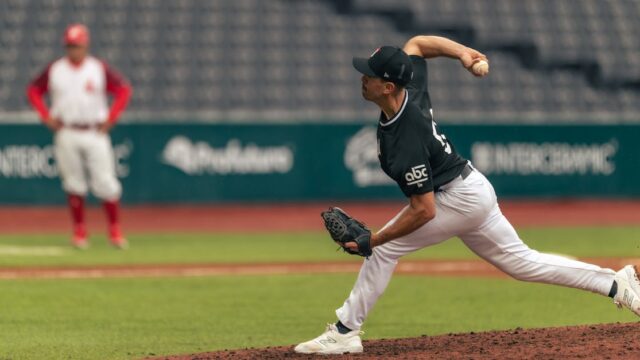
How to Break In a Composite Baseball Bat: The Complete Step-by-Step Guide

Last updated: March 16, 2026
I have broken in over forty composite baseball bats across every major brand, from Easton and DeMarini to Louisville Slugger and Marucci. Some of those bats came out of the wrapper feeling stiff and lifeless. Others were game-ready within a couple hundred swings. The difference almost always came down to the break-in process. If you skip it or rush it, you risk cracking the barrel before the bat ever reaches peak performance. If you do it right, that composite barrel rewards you with a trampoline effect that alloy bats simply cannot match.
This guide walks you through exactly how to break in a composite baseball bat the right way. I cover the equipment you need, the step-by-step process I use, the mistakes that ruin barrels, and drills you can fold into the break-in so you get better at the plate while your bat gets hotter. Whether you just picked up a new BBCOR bat for high school or a USSSA stick for travel ball, this system works across the board.
Why Composite Bats Need a Break-In Period
Composite bats are built from layers of carbon fiber and resin that are woven together and then cured under heat and pressure. When the bat is brand new, those layers are tightly bonded. The barrel is stiff, and the trampoline effect that makes composite bats so popular has not fully developed yet. Each time you hit a baseball with a composite bat, microscopic loosening occurs between those woven fibers. That loosening increases the flex of the barrel walls, which means the ball compresses less on contact and more energy transfers back into the ball. The result is higher exit velocities and a larger sweet spot.
Most manufacturers recommend between 150 and 300 hits to fully break in a composite bat. Some players notice a difference after just 50 swings, but peak performance typically arrives around the 200-swing mark. Independent testing by bat review sites has shown that a properly broken-in composite bat can produce exit velocities 3 to 5 mph higher than the same bat fresh out of the wrapper. That translates to roughly 15 to 25 extra feet of distance on a well-struck ball.
Alloy bats, by contrast, are ready to go from the first swing. They do not have layered fibers that need loosening. If you have an alloy or hybrid bat, you can skip this entire process and start swinging in games right away. But if your bat says composite on the barrel or in the product description, keep reading.
Equipment You Need to Break In a Composite Bat
You do not need much to break in a composite bat properly, but using the right gear matters. Here is everything I recommend having on hand before you start.
The bat itself. Obvious, but make sure the bat is intended for the balls you plan to hit. A BBCOR bat should be broken in with regulation baseballs. A USSSA bat should use USSSA-stamped baseballs. Mismatched balls can void your warranty or damage the barrel.
Real baseballs. You need regulation leather baseballs, not dimple balls, rubber balls, or wiffle balls. The break-in process depends on the impact profile of a real baseball. I recommend having at least a bucket of 20 to 30 balls so you are not chasing one ball after every swing. Hitting off a quality batting tee with real baseballs is the most efficient method.
A batting tee. A tee gives you the most control over contact point and allows you to rotate the bat between swings, which is critical. Any solid tee works, but adjustable-height tees let you move the contact zone around.
A hitting net or cage. You need something to hit into. A quality hitting net works perfectly for backyard break-in sessions. If you have access to a batting cage, even better.
Batting gloves. Not strictly required, but after 50-plus swings your hands will thank you. Good batting gloves also help you maintain a consistent grip on the handle while rotating the bat.
A marker or piece of tape. I use a thin strip of tape on the barrel to track my rotation. This ensures I am hitting the entire circumference of the barrel evenly, not just one spot.
Optional: a bat grip or pine tar. If your bat handle feels slick, apply a thin layer of pine tar or add a grip wrap before starting. You want secure hands through hundreds of swings.
Step-by-Step: How to Break In a Composite Baseball Bat
Here is the exact process I follow every time I break in a new composite bat. I have refined this over years of testing bats for review and personal use.
Step 1: Read the manufacturer guidelines. Before you do anything, check the documentation that came with your bat. Some manufacturers like Easton and DeMarini include specific break-in instructions. Others, like Louisville Slugger, state that their bats are game-ready but still benefit from the process. Ignoring the manufacturer’s guidance can void your warranty if something goes wrong. Most warranties cover defects but exclude damage from improper use, which includes using the wrong type of ball.
Step 2: Mark the barrel for rotation. Take a marker or thin strip of tape and place a small line on the barrel near the end cap. This is your reference point. After every swing, you will rotate the bat approximately one-quarter turn so the next hit lands on a different section of the barrel. Even break-in across the full circumference is essential. If you only hit one spot repeatedly, that section weakens faster and becomes a stress point where cracks develop.
Step 3: Set up your tee at waist height. Place a baseball on the tee at roughly belt-high, which is the zone where most barrel contact happens in games. Position yourself in front of your net or inside your cage.
Step 4: Swing at 50 to 75 percent effort for the first 50 hits. This is the most important step that players get wrong. You are not trying to crush the ball during break-in. Swing with controlled, moderate effort. Think line drives, not home runs. The goal is to start loosening the composite fibers gradually without shocking the barrel with max-effort contact. After each swing, rotate the bat one-quarter turn before placing the ball back on the tee.
Step 5: Increase to 75 percent effort for swings 50 through 150. After the first 50 controlled swings, you can start putting a little more behind each hack. You still want to focus on solid barrel contact rather than swinging out of your shoes. Continue rotating the bat after every hit. During this phase, you should start feeling the barrel loosen up. The sound changes from a dull thud to a sharper, higher-pitched crack. That is the composite fibers separating as designed.
Step 6: Move to full effort for swings 150 through 300. By swing 150, the barrel has loosened enough to handle full-effort contact. Start swinging at game speed. This is where the bat really opens up and you start feeling the trampoline effect. Keep rotating the bat. By the time you reach 200 to 300 total swings, most composite bats are fully broken in.
Step 7: Vary your contact points. During the final phase, move the tee height up and down to spread contact across the entire length of the barrel, not just the sweet spot. Hit some balls off the end cap side and some closer to the handle. This ensures the entire barrel is broken in evenly and gives you the maximum sweet spot expansion.
Step 8: Listen and feel for readiness. A fully broken-in composite bat sounds distinctly different from a new one. New bats produce a flat, muted sound. Broken-in bats crack. You will also feel less vibration on mishits because the barrel flex is absorbing more of the impact. When the sound is consistently sharp and the bat feels lively in your hands, it is ready for game action.
How Long Does It Take to Break In a Composite Bat?
Plan for three to five sessions of 50 to 75 swings each. Spreading the break-in over multiple days is actually better for the bat than doing all 300 swings in a single marathon session. The composite fibers benefit from rest between sessions, similar to how muscles recover between workouts. Each session should take about 15 to 20 minutes.
If you are pressed for time, you can complete the break-in in two longer sessions of 150 swings each with a day of rest between them. I do not recommend doing all 300 swings in one sitting because fatigue causes your swing to break down, which leads to mishits on the handle or end cap that stress the bat in unintended ways.
Some bat models break in faster than others. In my experience, Easton’s two-piece composite bats tend to need the full 300 swings before they really open up, while Louisville Slugger Meta models feel closer to game-ready around 150 to 200 hits. Marucci composites usually fall somewhere in the middle.
Common Mistakes When Breaking In a Composite Bat
I have seen every mistake in the book, both from players I coach and from bat owners who send me questions. Here are the most common errors and how to avoid them.
| Mistake | Why It Happens | What Goes Wrong | The Fix |
|---|---|---|---|
| Swinging at full power from the first hit | Excitement with a new bat; wanting to see how far it can hit | Barrel fibers crack instead of loosening gradually; premature barrel failure | Start at 50-75% effort for the first 50 swings and work up slowly |
| Not rotating the bat between swings | Forgetting or not knowing it matters | One section of the barrel weakens while the rest stays stiff; dead spots and cracks form | Mark the barrel and rotate one-quarter turn after every single swing |
| Using rubber or dimple cage balls | Convenience; cage balls are already loaded in the machine | Harder rubber balls dent the barrel; dimple balls do not create the right impact profile for break-in | Use only regulation leather baseballs that match your bat certification |
| Breaking in during cold weather | Season starts in early spring; players want the bat ready | Composite becomes brittle below 60°F; risk of cracking increases dramatically | Break in your bat indoors or wait for temperatures above 60°F |
| Hitting only the sweet spot | Natural tendency to center every swing | Sweet spot loosens but the rest of the barrel stays stiff; smaller effective hitting zone | Vary tee height and aim for different barrel zones throughout the process |
| Using the bat in a pitching machine cage with machine balls | Assuming any ball works | Machine balls are often heavier or harder than regulation; barrel damage and voided warranty | Stick to regulation balls on a tee or from soft toss |
| Doing all 300 swings in one session | Wanting to get it done quickly | Fatigue leads to bad contact; handle and end-cap hits stress weak points | Spread the break-in over 3-5 sessions with rest days between |
| Skipping break-in entirely | Assuming the bat is ready out of the box | Missing 3-5 mph of exit velocity; smaller sweet spot; bat never reaches peak performance | Follow the 300-swing graduated process before using in games |
Temperature and Weather Considerations
Temperature is one of the most overlooked factors in composite bat care, and it is especially relevant during break-in. Composite materials stiffen and become more brittle in cold weather. Most manufacturers set a minimum use temperature of 60°F, and some go as high as 65°F. Using a composite bat below that threshold significantly increases the risk of cracking, even during normal swings.
Since many baseball seasons begin in March and April when temperatures are still cool in much of the United States, this creates a real problem. My advice is to break in your bat indoors whenever possible. An indoor cage facility is ideal. If you are breaking in at home, a garage with a hitting net and a tee works well as long as the space is heated above 60°F.
If you must break in outdoors in cooler weather, do it during the warmest part of the day and keep the bat inside your house or car between sessions. Never leave a composite bat in a cold car trunk, garage, or shed overnight. The thermal cycling between cold storage and game-time use accelerates material fatigue.
On the opposite end, extreme heat can also affect composite bats. Temperatures above 100°F can soften the resin that bonds the carbon fiber layers, making the barrel overly flexible and reducing durability. Never leave your bat in a hot car during summer. A car interior can easily reach 140°F on a sunny day, which can cause permanent damage to the barrel.
Drills to Combine with Your Break-In Sessions
Since you are already putting in 200 to 300 swings, you might as well make those swings productive for your development as a hitter. Here are drills I use during the break-in process to improve my swing while the bat gets hot.
Tee placement drill. Set the tee at five different locations across the strike zone: inside-low, inside-high, middle-middle, outside-low, and outside-high. Take 10 swings at each location before moving to the next. This forces you to adjust your swing path for each zone, which is exactly the kind of adjustability you need in games. It also distributes contact across different parts of the barrel, which helps the break-in. For more tee work ideas, check out our complete hitting drills guide.
One-hand tee work. Take 20 swings with just your top hand and 20 with just your bottom hand. This isolates each hand’s contribution to the swing and builds wrist and forearm strength. Use lighter effort during one-hand work since you have less control, which fits perfectly with the early phase of break-in when you want reduced swing intensity anyway.
Opposite field focus. Set the tee on the outer half and focus on driving the ball to the opposite field. This develops a crucial game skill while also ensuring you make contact on the outer third of the barrel, an area many hitters neglect during break-in. If you want to sharpen your overall swing mechanics while breaking in, this drill does double duty.
Contact point awareness. Pay attention to where on the barrel each swing connects. Try to feel whether you hit the sweet spot, the end cap side, or the handle side. This develops barrel awareness, which is one of the most underrated hitting skills. Elite hitters know exactly where the ball hit the bat on every swing. Practice this during break-in and you build that awareness through hundreds of repetitions.
Soft toss break-in. Once you get past the initial 50 tee swings, switch to soft toss for variety. Have a partner flip balls from the side at moderate speed. This adds a timing component and makes the break-in feel more like real at-bats. Soft toss is also easier on the bat than machine pitching because the ball speed is lower and more controlled.
How to Know When Your Composite Bat Is Fully Broken In
There is no composite bat break-in meter, but there are reliable indicators that your bat has reached peak performance.
The sound changes. This is the most obvious indicator. New composite bats produce a dull, flat thud on contact. As the fibers loosen, the sound shifts to a higher-pitched, sharper crack. Once the sound is consistently bright and crisp across the barrel, the bat is broken in.
The ball jumps differently. You will notice that balls travel farther and faster with the same swing effort. If you have a swing analyzer or access to a radar gun, you can actually measure the exit velocity increase. A bump of 3 to 5 mph from start to finish is typical.
Vibration decreases on mishits. A broken-in barrel flexes more, which absorbs sting from off-center contact. If you hit one on the handle and it does not buzz your hands as badly as it did during the first session, the barrel is loosening up.
The sweet spot feels larger. During early break-in, only a small section of the barrel feels truly alive. As the process continues, that hot zone expands. A fully broken-in composite bat can have an effective sweet spot that is two to three inches longer than the same bat out of the wrapper.
Break-In Differences by Bat Type and Brand
Not all composite bats break in the same way. The construction method, barrel wall thickness, and number of composite layers all affect how quickly and how much the bat opens up.
| Bat Type | Typical Break-In Swings | Break-In Characteristics | Notes |
|---|---|---|---|
| One-piece composite (e.g., Louisville Slugger Meta) | 150-250 | Gradual and even; entire bat flexes as a unit | Stiff feel out of the wrapper; noticeable improvement around swing 150 |
| Two-piece composite (e.g., Easton Hype Fire) | 200-300 | Barrel loosens independently of handle; more dramatic before/after difference | Connection point absorbs vibration early; barrel opens up later |
| Two-piece hybrid (composite barrel, alloy handle) | 100-200 | Only the composite barrel needs break-in; handle is already rigid | Faster overall because only half the bat has composite material |
| Single-wall composite | 100-150 | Thin wall loosens quickly; less total fiber to separate | Common in youth bats; monitor closely to avoid over-breaking |
| Multi-wall composite | 250-400 | Multiple layers take longer to fully separate; gradual ramp-up in performance | Found in high-end USSSA bats; patience pays off with these |
Brand-specific notes from my testing: Easton composite bats tend to have a longer break-in window but reward you with one of the largest sweet spots in the game once fully opened. DeMarini composites, like The Goods, usually feel close to game-ready faster due to their barrel construction but still benefit from the full process. Rawlings ICON composites have a moderate break-in period and tend to show the most dramatic sound change from new to broken-in.
Advanced Tips for Getting the Most Out of Your Composite Bat
Once your bat is broken in, the care does not stop. Here are advanced strategies I use to maintain performance and extend barrel life.
Continue rotating in practice. Even after break-in, I rotate my bat every few swings during batting practice. This distributes wear evenly and prevents one side of the barrel from degrading faster than the rest. Most barrel cracks start in a single overused zone.
Use your game bat for games only. If you can afford it, have a separate practice bat and a game bat. Breaking in a bat is necessary, but every swing after that is still wear on the barrel. A composite bat has a finite number of hits before performance starts to decline, typically somewhere between 1,500 and 2,500 hits depending on the bat. Reserve your game bat for games and live at-bats, and use a different bat for cage work and practice. This can extend your game bat’s peak performance window by an entire season.
Store your bat properly. Keep it indoors at room temperature. Stand it up vertically or lay it flat. Never lean it against a wall at an angle for extended periods, as this can create a slight warp in the barrel over time. And as I mentioned earlier, never leave it in a car, hot or cold.
Inspect regularly. After every few uses, run your hand along the barrel and listen for rattling. A small amount of rattle is normal in two-piece bats at the connection point. But if you hear something loose inside the barrel itself, or if you see visible cracks, dents, or flat spots, stop using the bat immediately and contact the manufacturer about a warranty claim.
Track your swing count. I keep a rough count of how many swings each bat has taken. This helps me know when a bat is approaching the end of its life and lets me plan for a replacement before performance drops off in the middle of a season. Most BBCOR composite bats maintain peak performance for about one to two full seasons of regular use.
Use the right baseballs. This applies during break-in and beyond. BBCOR bats should hit NFHS-approved baseballs. USSSA bats should use USSSA-stamped balls. Using balls that are too hard or too heavy accelerates barrel wear and can void your warranty. Waterlogged or frozen baseballs are especially damaging and should never be used with a composite bat.
Can You Break In a Composite Bat Too Much?
Yes. Over-breaking a composite bat is a real concern, especially with thinner-walled youth models. When composite fibers separate too much, the barrel loses its structural integrity and goes dead. The performance actually drops off because the barrel can no longer spring back efficiently after deformation.
Signs of an over-broken bat include a dull or hollow sound that differs from the crisp crack of a properly broken-in barrel, reduced exit velocities, visible spider-web cracks on the barrel surface, and a soft or mushy feel on contact. If you notice these symptoms, the bat has passed its peak and needs to be replaced.
The key to avoiding this is simple: follow the graduated process I outlined above and stop the dedicated break-in at 300 swings. After that, just use the bat normally. Normal game use will not over-break a bat within its expected lifespan.
Break-In Methods to Avoid
The internet is full of bad advice on breaking in composite bats. Here are methods I have seen recommended that you should absolutely avoid.
Rolling. Bat rolling involves running the barrel through a set of pressurized rollers to artificially compress and loosen the fibers. While it does speed up break-in, it almost always voids your warranty, and it can create uneven compression that leads to premature cracking. Rolled bats also risk exceeding performance standards, which can get you ejected from sanctioned play if your bat is tested.
Shaving. Bat shaving involves removing the end cap and shaving material from the inner barrel wall to increase flex. This is illegal in all sanctioned play, permanently damages the bat, and is considered cheating. Do not do this.
Heating. Some players try to heat the barrel with a heat gun or by leaving it in a hot car to soften the resin. This weakens the composite structure unevenly and can cause delamination, where the fiber layers separate in ways that destroy performance rather than enhance it.
Hitting against hard surfaces. I have seen players tap their composite bat barrel against fences, concrete, or metal poles thinking it speeds up break-in. This creates point-stress fractures that do not help performance and lead to cracks.
Using weighted balls. Weighted baseballs are excellent training tools for pitchers building arm strength, but they are terrible for bat break-in. The extra weight creates higher impact forces than the barrel is designed to handle during the break-in phase, increasing crack risk.
Frequently Asked Questions
Do all composite bats need to be broken in?
Yes. Every composite bat benefits from a break-in period. Some manufacturers claim their bats are game-ready out of the wrapper, and while you can technically use them in games immediately, they will not reach peak performance until the composite fibers have been properly loosened through 150 to 300 hits. The only bats that truly need no break-in are full alloy models.
Can I break in a composite bat with a pitching machine?
I do not recommend it for the initial break-in. Pitching machines often use dimple balls or rubber balls that are harder than regulation baseballs and can damage the barrel. If your machine uses real leather baseballs, it can work, but you lose the ability to rotate the bat between every swing, which is critical. Stick to tee work and soft toss for the break-in, then use the machine afterward for regular practice. For options, check our pitching machine reviews.
How cold is too cold to use a composite bat?
Most manufacturers set the minimum temperature at 60°F. Below that, the composite resin stiffens and becomes brittle, significantly increasing the chance of cracking. Some players push it to 55°F, but I always recommend following the manufacturer’s guideline. If your early-season games are in cold weather, consider using an alloy or hybrid bat until temperatures rise and saving your composite for warmer conditions.
Will breaking in my bat void the warranty?
No, not if you do it properly using the method described in this guide. Manufacturers expect players to break in composite bats with regulation baseballs. What voids the warranty is using the wrong balls, rolling, shaving, exposing the bat to extreme temperatures, or using it in conditions the manufacturer warns against. Always keep your receipt and register your bat if the manufacturer offers a warranty registration program.
How do I know if my composite bat is cracked or just broken in?
A broken-in bat sounds crisp and lively. A cracked bat sounds dull, flat, or hollow, almost like it has lost its pop. You can also do a physical inspection: run your fingers along the barrel and look for hairline cracks, raised areas, or soft spots. Another test is the ring test, where you hold the bat by the handle and tap the barrel with a hard object. A healthy barrel rings clearly. A cracked barrel produces a dead thud or a buzzing rattle.
Can I speed up the break-in process?
The only safe way to speed it up is to increase the number of sessions rather than the intensity. Instead of three sessions over a week, do five sessions over five days. The key is maintaining controlled swing effort and proper rotation. Do not try to shortcut the process with rolling machines, heat, or harder balls. Patience during break-in pays off with better performance and longer bat life.
Should I break in my kid’s youth composite bat?
Absolutely. Youth composite bats benefit from break-in just as much as adult models. The process is the same but scale the swing count down slightly. For most youth bats, 100 to 200 swings at reduced effort is sufficient since the barrels are thinner and loosen faster. Supervise your child during break-in to make sure they are rotating the bat and not swinging too hard.
What is the difference between breaking in a BBCOR bat and a USSSA bat?
The process is identical. The only difference is the baseballs you use. BBCOR bats should be broken in with standard NFHS baseballs. USSSA bats should use USSSA-stamped baseballs. Using the wrong ball type risks barrel damage and warranty issues. The swing counts and effort progression are the same for both certifications.
Final Thoughts on Breaking In Your Composite Bat
Breaking in a composite baseball bat is not complicated, but it does require patience and attention to detail. The players who get the most out of their composite bats are the ones who follow the graduated break-in process, rotate the barrel consistently, use the right baseballs, and respect temperature limits. Do those four things and your bat will reward you with higher exit velocities, a bigger sweet spot, and a longer performance window.
If you just picked up a new composite bat for this season, resist the urge to take full hacks with it on day one. Invest three to five short sessions into the break-in process and you will have a bat that performs at its absolute peak when it matters most: in games. That is the approach I have used for years, and it has never let me down.
For more on choosing the right bat for your game, check out our guides on how to choose a baseball bat and the best bats for power hitters.